
About Livlyt
An IT management and device management platform built for distributed teams
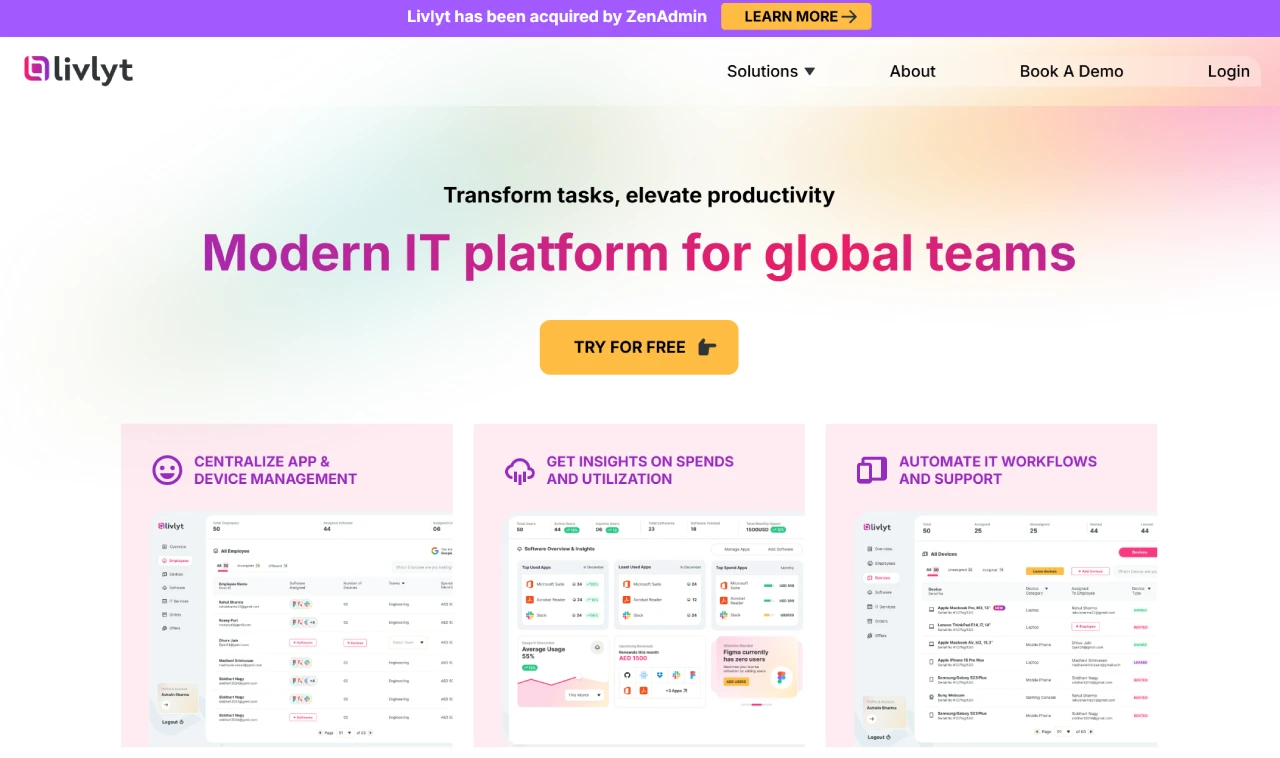
Livlyt was a UAE-focused SaaS company offering IT management and device lifecycle management software for businesses managing distributed employees, operational workflows, and company devices at scale.
The platform helped organisations streamline:
- device procurement
- onboarding and offboarding
- device tracking
- IT operations
- employee access management
- and distributed workforce coordination
Its audience primarily included:
- enterprise IT teams
- operations leaders
- HR teams
- distributed workforce environments
- and mid-market businesses scaling operationally
At the time of engagement, Livlyt was operating in a highly competitive category where trust, clarity, and perceived operational maturity played a major role in buying decisions.
Unlike many SaaS companies attempting to scale visibility through paid acquisition or aggressive social media tactics, Livlyt wanted to establish long-term authority organically within the UAE market.
The primary channel selected for this effort was LinkedIn.
Not founder-led content.
Not influencer collaborations.
Not paid distribution.
The strategy relied entirely on educational content, consistency, and enterprise positioning.
The Challenge
Building trust and market understanding before scale
Livlyt faced a challenge common among enterprise SaaS companies but rarely addressed strategically.
The product itself solved meaningful operational problems, but the market required education before it could appreciate the product’s value fully. Device management and IT operations software are categories where buyers often need repeated exposure, contextual understanding, and operational framing before they move toward evaluation.
At the same time, the company was entering a market shaped heavily by the following across the UAE:
- trust
- credibility
- reputation
- and professional perception
This created a much more nuanced challenge than simply “growing a LinkedIn page.”
Livlyt needed content capable of:
- explaining complex operational workflows clearly
- helping enterprise buyers understand why the category mattered
- positioning the brand as operationally credible
- increasing visibility without weakening trust
- and creating familiarity in a market where perceived maturity strongly influences buying behaviour
The challenge became even more complicated because the UAE audience responds differently to content than many Western SaaS markets.
A large percentage of mainstream SaaS social media strategies rely heavily on:
- exaggerated positioning
- meme-driven engagement
- forced relatability
- trend-based hooks
- and loud founder branding
But for Livlyt, these approaches risked damaging trust rather than building it.
The content needed to feel calm, clear, enterprise-ready and operationally credible from day one, while still remaining engaging enough to grow organically.
There was another layer to the challenge as well. LinkedIn was the only active growth channel. That meant the content had to simultaneously function as:
- a brand awareness layer
- a buyer education engine
- a trust-building system
- and a visibility channel
The Engagement
Building an educational content engine for enterprise visibility
Rather than approaching LinkedIn as a traditional social media platform, Contensify treated it as a long-term authority-building and market education channel.
The objective was never virality.
It was:
- familiarity
- category association
- operational trust
- and long-term enterprise visibility
This shifted the strategy away from engagement bait, surface-level SaaS storytelling or trend-driven content production, and toward educational content designed to strengthen understanding over time.
Every aspect of the strategy was built around a central belief: If buyers clearly understand the operational problem, they naturally begin to understand the value of the product solving it.
This changed how content was structured, written, designed, and distributed.
Positioning LinkedIn as an educational platform
Most SaaS companies use LinkedIn primarily as a promotional channel, a company update feed or a lead-generation surface. For Livlyt, the platform needed to function differently.
The content strategy focused heavily on:
- operational inefficiencies
- IT workflow challenges
- distributed workforce management
- device lifecycle complexity
- onboarding bottlenecks
- and real-world problems enterprise teams faced daily
Instead of constantly pushing product features, the content helped the audience:
- understand the category
- recognise inefficiencies
- and build mental models around modern IT operations
This approach gradually increased product relevance without relying on aggressive promotion.
Creating a culturally aligned enterprise tone
One of the most important strategic decisions involved calibrating the tone of voice specifically for the UAE enterprise market.
This meant intentionally avoiding:
- excessive humour
- casual internet language
- startup-style exaggeration
- and trend-focused communication styles
Instead, the content was designed to feel:
- informative
- composed
- credible
- and operationally mature
The tone balanced authority with clarity, ensuring the content felt professional without becoming overly technical or inaccessible. This became a significant differentiator because many SaaS brands entering the region failed to adapt their communication style to local buyer expectations.
Building a recognisable visual identity system
Beyond messaging, visual consistency played a major role in strengthening trust.
Contensify developed a structured visual system for Livlyt’s LinkedIn presence that focused on:
- feed consistency
- recognisability
- professional presentation
- and enterprise-grade visual perception
This visual layer helped Livlyt appear more mature and established within a crowded SaaS environment.
Even before engaging with the copy itself, the audience could begin recognising the brand consistently across the feed.
Over time, this repetition contributed heavily to:
- familiarity
- recall
- and perceived authority.
Developing a multi-format content ecosystem
The execution strategy relied on multiple content formats working together as an educational system.
Instead of publishing isolated posts, content was structured around broader thematic pillars aligned with:
- operational workflows
- IT management challenges
- distributed workforce issues
- and enterprise efficiency conversations
Formats included:
- educational carousels
- workflow explainers
- operational videos
- long-form LinkedIn articles
- thought leadership posts
- and short-form educational insights
Each format served a different role within the buyer journey. For example:
- carousels simplified complex workflows visually
- videos improved comprehension and retention
- long-form articles established deeper authority
- and shorter posts reinforced recall and familiarity
This allowed Livlyt to repeatedly educate the market without sounding repetitive.
Prioritising consistency over campaign spikes
Rather than operating through temporary campaigns, the strategy focused on sustained visibility over time. This mattered because enterprise trust compounds gradually.
Repeated exposure:
- reduces perceived risk
- increases familiarity
- strengthens brand recall
- and improves category association
The objective was not to “go viral.” It was to become:
- recognisable
- understandable
- and credible within the UAE enterprise ecosystem.
Use Cases
Educating a Market Before Selling to It
The Challenge
The category itself required education before product positioning could work effectively. Many potential buyers did not fully understand device lifecycle management, underestimated operational inefficiencies or lacked visibility into how fragmented IT workflows impacted business operations.
Without market understanding, even strong product messaging would struggle to resonate. This meant Livlyt could not rely on traditional feature-heavy SaaS marketing alone.
Contensify’s Approach
Instead of beginning with product promotion, the strategy focused first on operational education. Content consistently explored distributed team inefficiencies, onboarding bottlenecks, IT coordination problems, asset management challenges and workflow fragmentation.
The goal was to help enterprise teams recognise operational problems they already experienced internally.
The Results
Over time, Livlyt became increasingly associated with operational clarity, distributed IT management, modern workforce workflows and enterprise-ready IT systems.
The content helped position the company as a knowledgeable and credible voice within the category rather than simply another SaaS vendor competing for attention.
Building Enterprise Credibility Organically
The Challenge
Enterprise SaaS buyers evaluate more than just product capabilities. They also evaluate maturity, trustworthiness, consistency and operational seriousness. For early-stage SaaS companies, this often becomes a perception challenge.
Without strong market familiarity, buyers hesitate to trust the platform regardless of product quality. Livlyt needed to establish credibility before scale.
Contensify’s Approach
Every element of the content strategy was intentionally designed to reinforce enterprise trust. This included a structured editorial tone, professional visual consistency, educational depth and operationally grounded messaging.
Rather than chasing visibility through trends, the content focused on building long-term familiarity through consistency, clarity and repeated exposure to valuable educational content.
The Results
Within 90 days Livlyt increased its UAE market share of voice by 35%, established a recognisable content presence and strengthened brand familiarity within enterprise IT conversations. All through organic LinkedIn content alone.
Creating Visibility Without Paid Acquisition
The Challenge
Without paid distribution, every piece of content had to earn attention organically. There were no ad campaigns, no influencer collaborations, no amplification systems and no artificial engagement tactics. This meant discoverability depended entirely on the quality, relevance, and consistency of the content itself.
Contensify’s Approach
The strategy focused heavily on educational value, audience relevance, operational insight and consistency over time. Instead of chasing short-term spikes, the content system was designed to build familiarity, trust and repeated audience exposure. This approach aligned far better with how enterprise buying relationships develop organically.
The Results
The audience increasingly understood what the product did, why it mattered and where it fit operationally. This led to LivLyt organically acquiring:
- 2,000+ UAE-based LinkedIn followers
- stronger audience recall
- improved category association
- and increased enterprise visibility
The Relationship
From emerging SaaS company to trusted enterprise-facing brand
01 / The Starting Point
Livlyt entered the market needing more than visibility.
The company needed authority, category clarity, enterprise trust and operational credibility before aggressive scale could happen effectively. Traditional SaaS social strategies would not have supported those goals.
02 / The Build
Setting the foundational strategy.
Contensify developed an educational content framework, enterprise-aligned messaging systems, structured visual identity standards and a multi-format LinkedIn content engine. Every layer of the strategy reinforced operational understanding, buyer trust and long-term category association.
03 / The Outcome
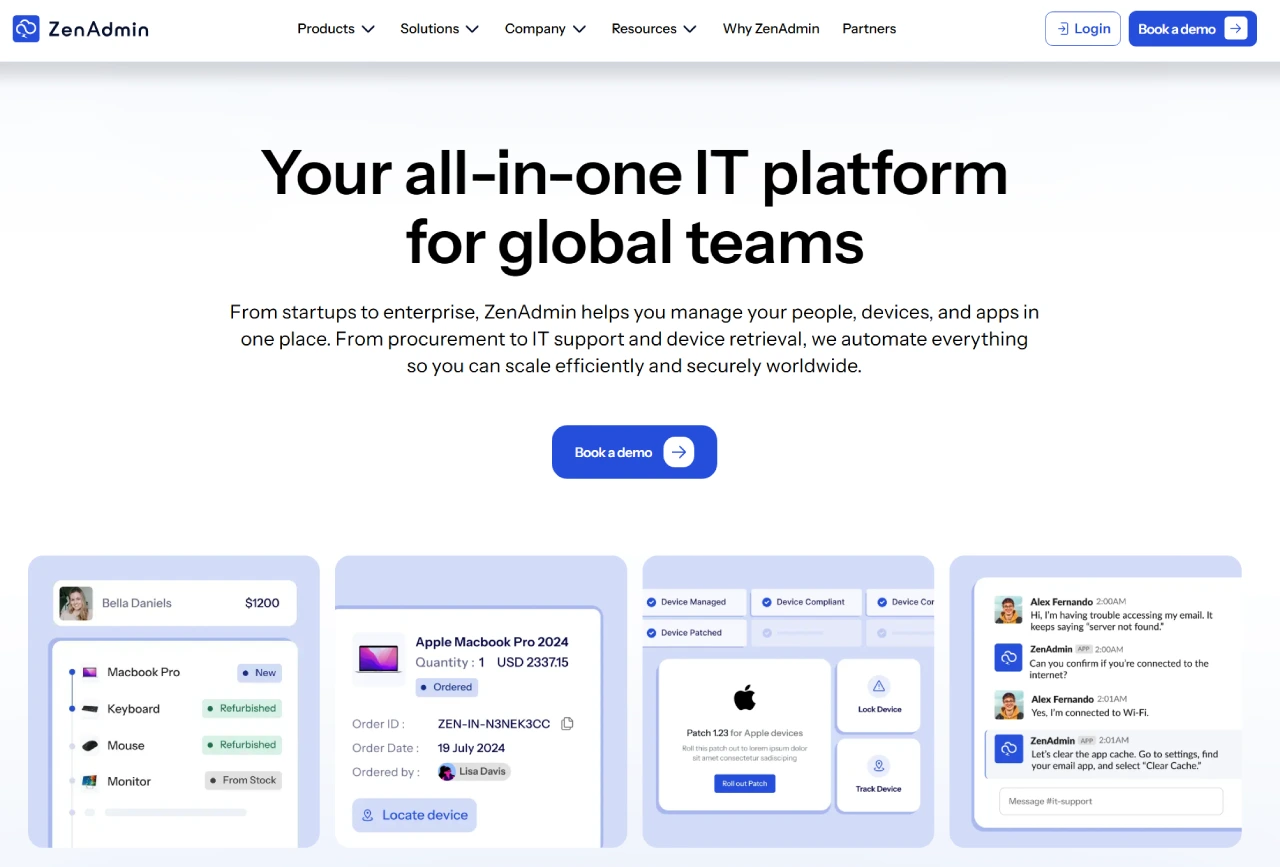
Over time, Livlyt evolved from an emerging SaaS platform to a recognisable enterprise-facing brand within the UAE IT ecosystem before eventually being acquired by ZenAdmin. The visibility built through content became foundational to how the brand was understood in the market.
Why Contensify
What made the difference
- Education before promotion
Rather than leading with product messaging, the strategy focused on helping buyers understand the operational challenges, risks, and opportunities that made the solution relevant in the first place. - Enterprise-aware positioning
Messaging, visual design, and content tone were intentionally tailored for a conservative, trust-sensitive enterprise audience where credibility and confidence matter as much as features. - Multi-format educational systems
Blogs, guides, videos, thought leadership, and supporting assets worked together to build understanding, authority, discoverability, and recall throughout the buyer journey. - Organic authority building
Growth was driven by consistency, educational value, and category relevance rather than paid amplification, short-term tactics, or trend-driven content. - Content built for long-term visibility
Every asset was designed to strengthen brand familiarity, category association, operational trust, and enterprise discoverability over time through compounding educational content systems.
Conclusion
More Than LinkedIn Growth
This engagement demonstrated that educational content can become far more than a social media activity for enterprise SaaS companies.
When executed strategically, content becomes:
- a visibility engine
- a trust-building layer
- a category education system
- and a long-term authority asset
SaaS visibility now is built through education, consistency, and positioning, not just reach or virality.
If your company needs content that strengthens trust, discoverability, and category authority, we can help.