SEO and content marketing evolve constantly. Search algorithms change, new platforms emerge, and audience expectations shift. Yet the fundamentals remain the same: understand your audience, create useful content, build authority, and earn attention.
With hundreds of books on SEO and content marketing available, choosing the right ones can be challenging. Some are outdated, while others focus too heavily on specific tactics or individual channels.
That’s why in this blog, we’ve listed the 7 best books on content marketing and SEO to help you strengthen your strategy, improve your skills, and drive organic growth.
How We Selected the Best SEO and Content Marketing Books
Here’s how we selected the best SEO and content marketing books for this list:
- Practicality: Books that offer actionable insights marketers can apply to their work.
- Strategic Depth: Books that explain the reasoning behind effective SEO and content marketing strategies.
- Modern Relevance: Books that address the needs and challenges of today’s marketers.
- Lasting Principles: Books that focus on proven fundamentals rather than short-lived tactics or trends.
- B2B and SaaS Applicability: Books with lessons relevant to building authority, attracting qualified audiences, and driving organic growth.
7 Best SEO and Content Marketing Books to Read in 2026
Here are the seven best SEO and content marketing books to help you build a stronger strategy, create more effective content, and drive sustainable organic growth:
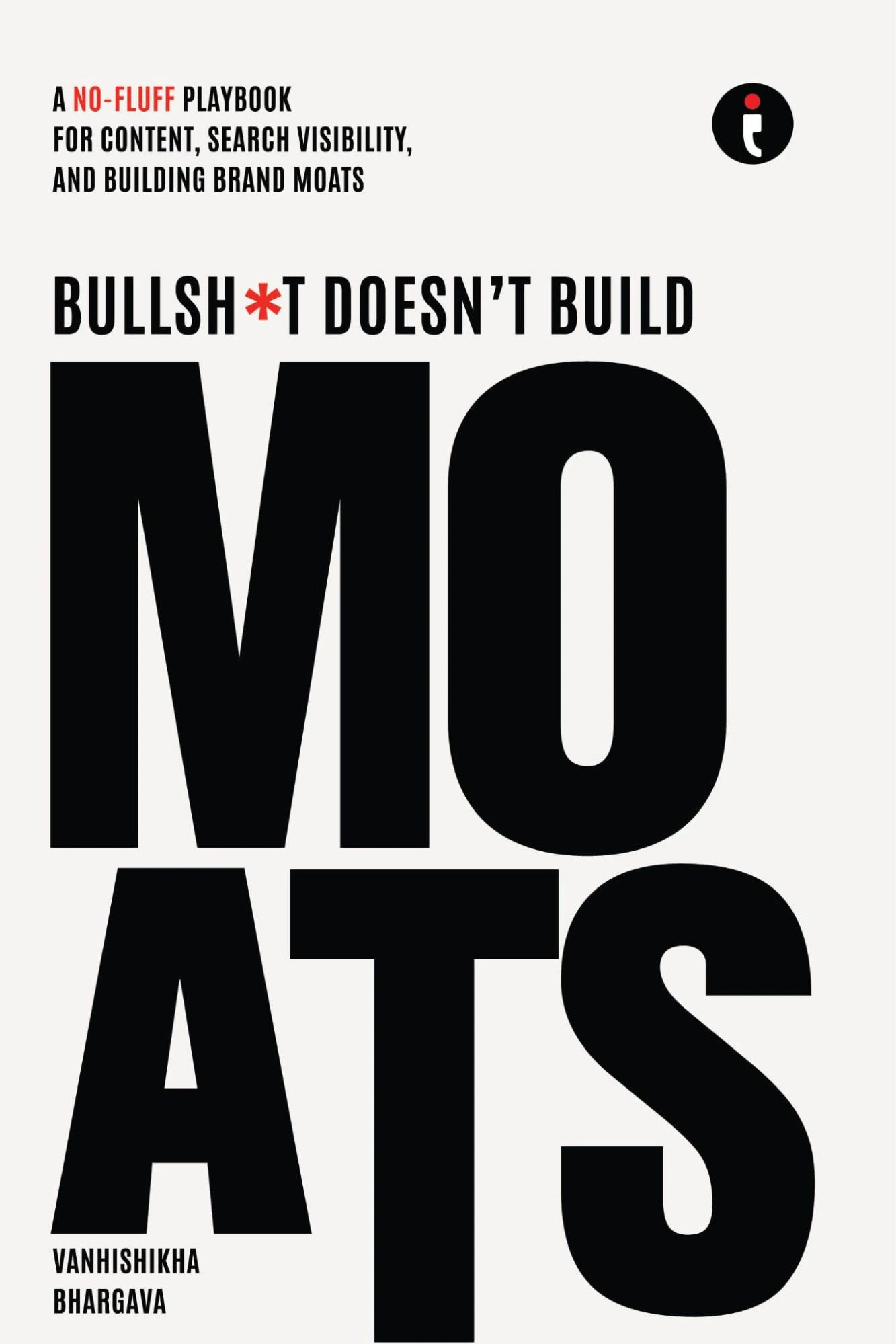
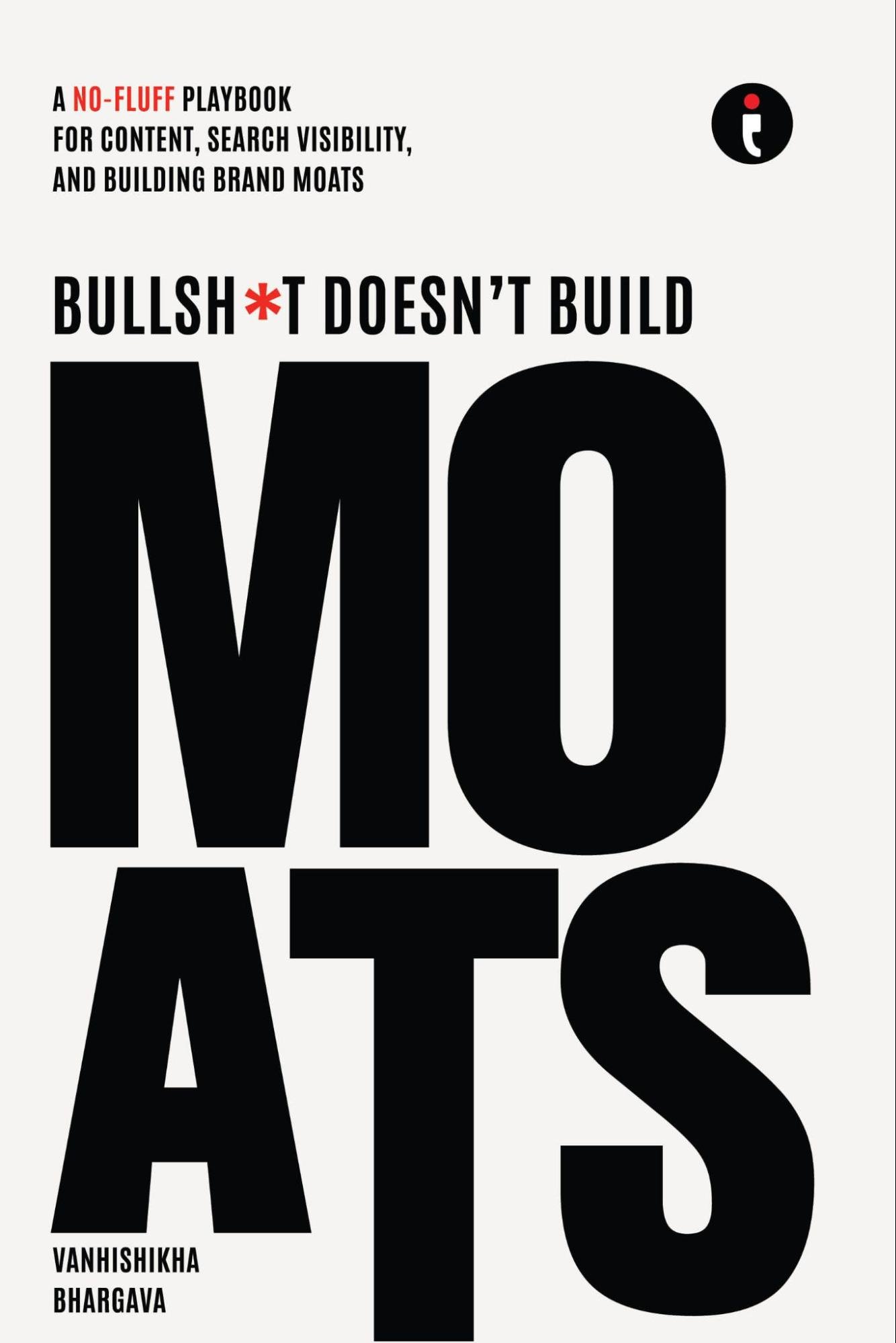
1. Bullsh*t Doesn’t Build MOATS by Vanhishikha Bhargava
Best for: B2B SaaS marketers, startup founders, and SEO professionals who want to build long-term brand authority and sustainable organic growth.
What It Covers
Bullsht Doesn’t Build MOATS* challenges the idea that sustainable growth comes from chasing algorithm updates, publishing more content, or adopting every new marketing trend. Instead, Vanhishikha Bhargava introduces the concept of building a defensible brand moat through strategic positioning, content, search visibility, and distribution.
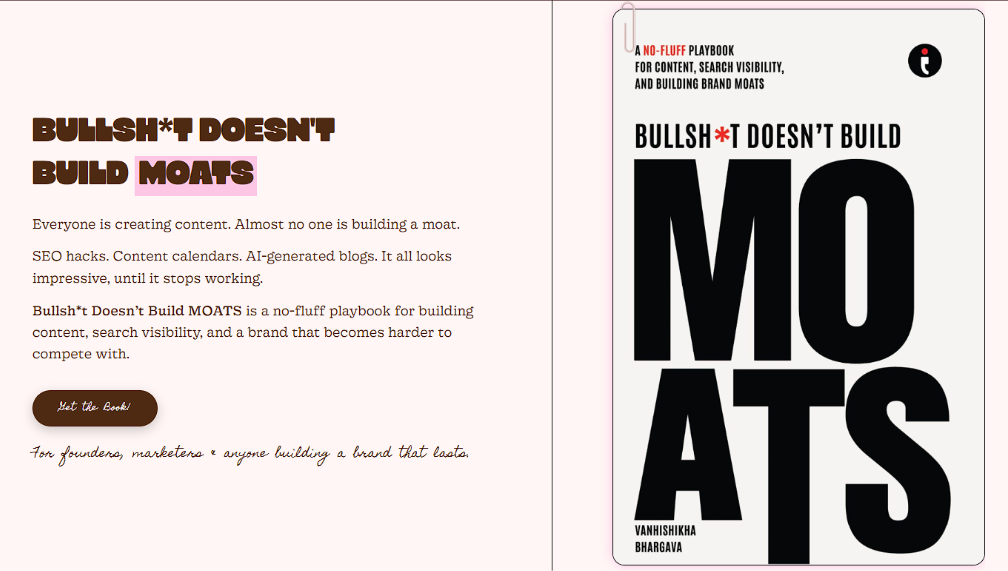
The book covers five core themes:
- Building a brand moat: Differentiating your brand through clear positioning.
- Creating compounding content assets: Building authority beyond short-term traffic gains.
- Optimizing for search everywhere: Expanding visibility across search engines, communities, and AI platforms.
- Building authority and mindshare: Earning audience trust before potential customers are ready to buy.
- Creating adaptable systems: Building marketing processes that withstand algorithm and platform changes.
Why It’s Worth Reading
- What sets it apart: Instead of focusing on individual marketing tactics, the book presents an integrated approach to building a competitive advantage through content, brand positioning, and authority.
- Still relevant today: Its emphasis on building lasting brand assets, earning attention across multiple discovery channels, and using AI to amplify original thinking is particularly relevant as search behaviour evolves.
Best Takeaway
Focus on creating content that builds authority, strengthens brand positioning, and earns audience trust over time, rather than chasing short-term rankings or traffic spikes.
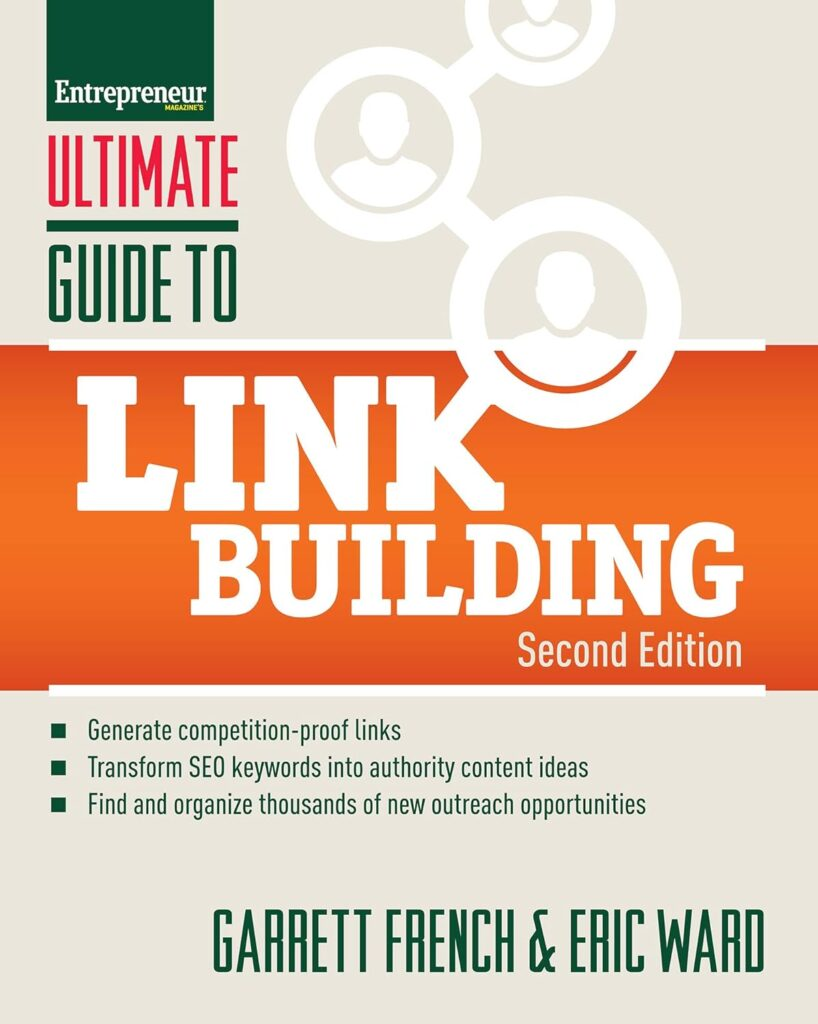
2. Ultimate Guide to Link Building by Garrett French and Eric Ward
Best for: SEO professionals and content marketers looking to build quality backlinks through outreach and link-worthy content.
What It Covers
The book covers backlink analysis, link audits, prospect research, outreach strategies, and creating content that attracts links. It also explores how backlinks can support search rankings and referral traffic.
Why It’s Worth Reading
- What sets it apart: It focuses specifically on link building, connecting content creation, prospect research, and outreach into a structured process.
- Still relevant today: Its emphasis on relevant websites, useful content, and link quality remains valuable despite changes in SEO tools and tactics.
Best Takeaway
Create link-worthy content and prioritize relevant websites based on audience fit and quality, not domain authority alone.
3. AI SEO For Dummies by Nathan Gotch
Best for: SEO professionals, business owners, and marketers looking to improve brand visibility across AI-powered search platforms.
What It Covers
The book explains how to improve visibility across ChatGPT, Google AI Overviews, Claude, and Perplexity. It covers branded queries, brand consistency, online reputation, and creating content that helps AI platforms find accurate business information.
Why It’s Worth Reading
- What sets it apart: It offers a campaign-based approach to assessing AI search visibility, identifying gaps, and improving brand representation in AI-generated answers.
- Still relevant today: Its focus on accurate information, consistent brand signals, and online credibility supports visibility across emerging search platforms.
Best Takeaway
Keep your website a reliable source of brand information and build credibility through consistent mentions across relevant third-party platforms.
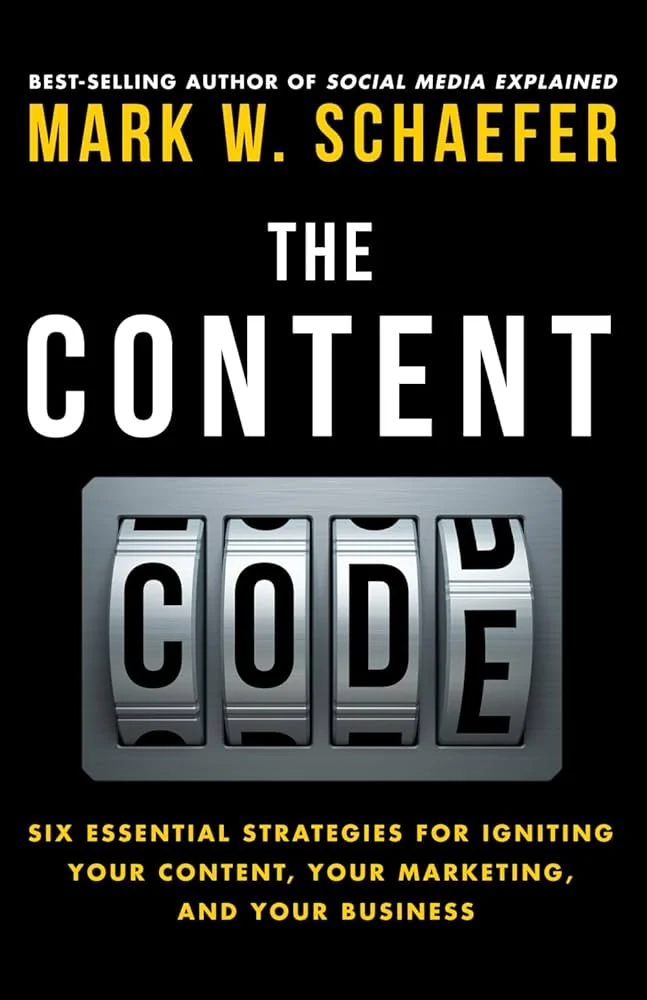
4. The Content Code: Six Essential Strategies to Ignite Your Content, Your Marketing, and Your Business by Mark W. Schaefer
Best for: Content marketers, SEO professionals, and business owners looking to improve content distribution, audience engagement, and reach.
What It Covers
Mark W. Schaefer explains why creating great content isn’t enough to stand out in a crowded digital landscape. The book introduces six strategies covering brand development, audience building, distribution, authority, shareability, and social proof.
Why It’s Worth Reading
- What sets it apart: Rather than focusing solely on content creation, the book explains how to promote content, reach relevant audiences, and encourage sharing.
- Still relevant today: Its focus on distribution, audience relationships, and content promotion remains useful for marketers competing in an increasingly saturated content landscape.
Best Takeaway
Creating content is only half the job. Focus on distribution and audience engagement to ensure your content reaches the right people.
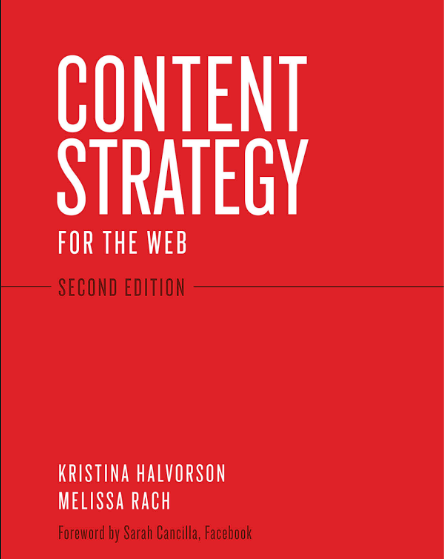
5. Content Strategy for the Web by Kristina Halvorson and Melissa Rach
Best for: Content marketers, SEO professionals, and marketing teams who want to build a structured content strategy aligned with business goals and audience needs.
What It Covers
The book explains how to plan, create, manage, and maintain useful content. It covers content audits, audience research, messaging, content organization, editorial workflows, and governance, helping teams manage content throughout its lifecycle.
Why It’s Worth Reading
- What sets it apart: The book looks beyond content creation to cover the processes, ownership, and planning needed to manage content effectively across an organization.
- Still relevant today: Its emphasis on content quality, regular audits, clear ownership, and aligning content with user needs remains useful for teams managing growing websites and content libraries.
Best Takeaway
Align content with business goals and audience needs. Audit it regularly, remove what no longer serves a purpose, and keep the rest useful and up to date.
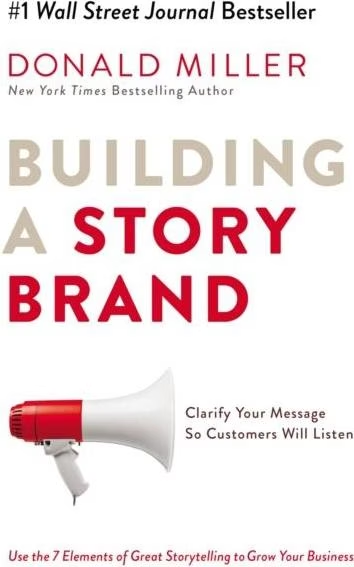
6. Building a StoryBrand by Donald Miller
Best for: Content marketers, founders, and business owners who want to clarify their messaging and create content that connects with their audience.
What It Covers
Donald Miller introduces a seven-part storytelling framework that positions the customer as the hero and the business as their guide. The book explains how to apply this framework to website copy, email marketing, and other promotional content.
Why It’s Worth Reading
- What sets it apart: It uses storytelling principles to simplify brand messaging and make it easier for customers to understand how a business can help them.
- Still relevant today: Clear, customer-focused messaging helps brands stand out in crowded markets and communicate their value more effectively.
Best Takeaway
Make your customer the hero. Focus your messaging on their needs, challenges, and desired outcomes, and show how your product helps them succeed.
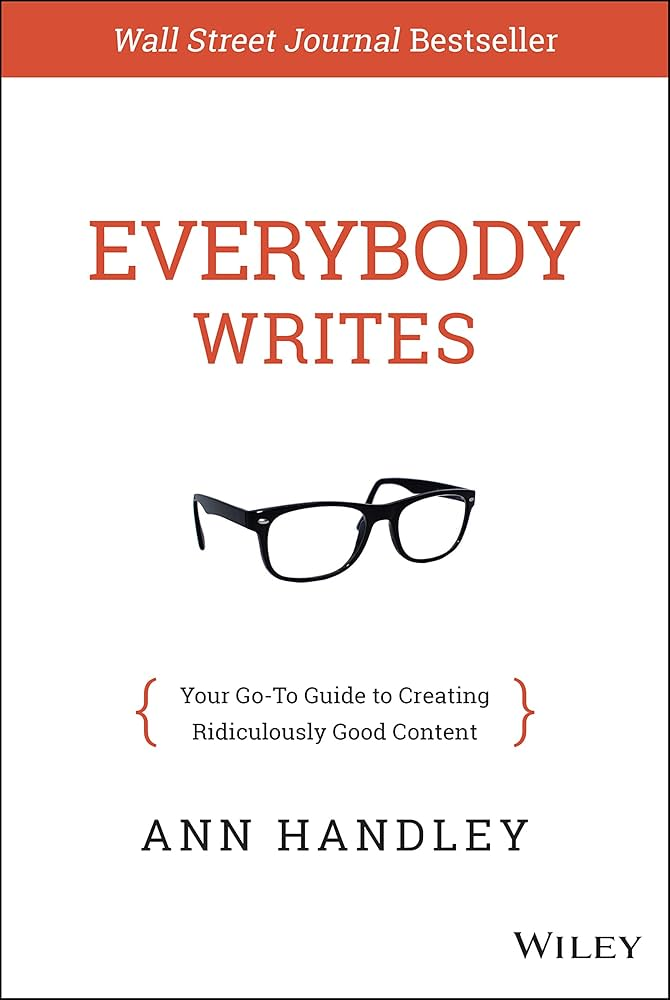
7. Everybody Writes by Ann Handley
Best for: Content marketers, SEO professionals, and anyone looking to improve their writing and create more engaging content.
What It Covers
Ann Handley shares practical advice on writing clearly, developing an authentic voice, using storytelling, and creating content for different channels. The book also covers grammar, editing, and building consistent writing habits.
Why It’s Worth Reading
- What sets it apart: The book combines writing fundamentals with practical guidance for creating marketing content, from blog posts and website copy to emails and social media.
- Still relevant today: Its emphasis on clarity, audience empathy, and authentic communication remains valuable, especially in a content landscape increasingly filled with generic AI-generated writing.
Best Takeaway
Write for your audience, not yourself. Keep your message clear, use a natural voice, and edit every piece of content to make it more useful to the reader.
How to Choose the Right SEO or Content Marketing Book
The best book depends on your current skills and what you want to improve. Use this guide to find the right starting point for your needs.
| If you want to learn… | Start with… |
| Building a distinctive brand and long-term competitive advantage | Bullsht Doesn’t Build MOATS* by Vanhishikha Bhargava |
| Building quality backlinks through structured outreach | Ultimate Guide to Link Building by Garrett French and Eric Ward |
| Improving visibility across AI-powered search platforms | AI SEO For Dummies by Nathan Gotch |
| Distributing content and reaching a wider audience | The Content Code by Mark W. Schaefer |
| Developing a structured content strategy and editorial workflow | Content Strategy for the Web by Kristina Halvorson and Melissa Rach |
| Simplifying brand messaging through storytelling | Building a StoryBrand by Donald Miller |
| Writing clearer, more engaging marketing content | Everybody Writes by Ann Handley |
You don’t need to read all seven books at once. Start with the one that addresses your biggest challenge, apply what you learn, and then move on to the next area you want to strengthen.
What Should You Read After the Basics?
SEO and content marketing books provide strategic foundations, but they shouldn’t be treated as up-to-date playbooks. Search algorithms, AI-powered discovery, and user behavior evolve faster than most books can be updated.
To keep your knowledge current, supplement your reading with:
- Google Search documentation: Understand current best practices and technical requirements.
- Search industry research: Follow credible studies and updates from SEO professionals.
- AI search developments: Track changes in AI Overviews, ChatGPT, and other AI-powered discovery platforms.
- Search Console data: Use your own performance data to identify opportunities and diagnose issues.
- First-hand experimentation: Test strategies on your website rather than relying solely on conventional wisdom.
- Current case studies: Learn from recent examples of what works, what doesn’t, and why.
Final Thoughts
The best SEO and content marketing books offer more than tactics. They help you build stronger strategies, create useful content, and earn lasting audience trust. Start with the book that addresses your biggest challenge, then apply its lessons to your work.
For a deeper look at building a brand that stands out in a crowded market, read Bullsht Doesn’t Build MOATS* by Vanhishikha Bhargava.