



Project management tools have become the need of the hour and rightly so. But that has resulted in a sharp increase in the number of SaaS products available in the market – which as a business, only means – competition.
But Monday.com has been steadily growing its market share despite the increased competition. So in this post, we’re going to break down how they did so with a data-driven content marketing and SEO strategy.
What is Monday.com?
Monday.com is a Work OS designed to help teams manage workflows, projects, and collaboration seamlessly. It offers a highly customizable interface where users can build workflows for project management, sales, HR, operations, and more.
One of Monday.com’s key differentiators is its visual and flexible approach to work management. It comes with a drag-and-drop functionality, automation, and integrations with popular tools like Slack, Google Drive, and Jira. This lets them cater to both startups and large enterprises, making it a powerful tool for efficiency and productivity.


Why are we discussing Monday.com content marketing and SEO strategy?
Monday.com has built a robust content marketing and SEO strategy that fuels its organic growth.
As a work operating system (Work OS), Monday.com competes with major project management and collaboration tools, yet it continues to rank for high-value keywords, attract millions of visitors, and convert users through strategic content.


If you’re a B2B SaaS founder or marketer looking to scale your SEO content strategy, Monday.com’s approach offers actionable insights. This breakdown covers:
- Monday.com’s keyword strategy and the types of keywords they target.
- Content formats they use to engage and educate their audience.
- Distribution channels that amplify their reach.
- Examples showcasing their content in action.
Want to get started with B2B SaaS content marketing right away? Reach out to us.
Monday.com’s Keyword Strategy: A Data-Driven Approach
Monday.com follows a data-driven keyword strategy, targeting multiple types of search intent to attract, educate, and convert users. Their keyword approach includes:

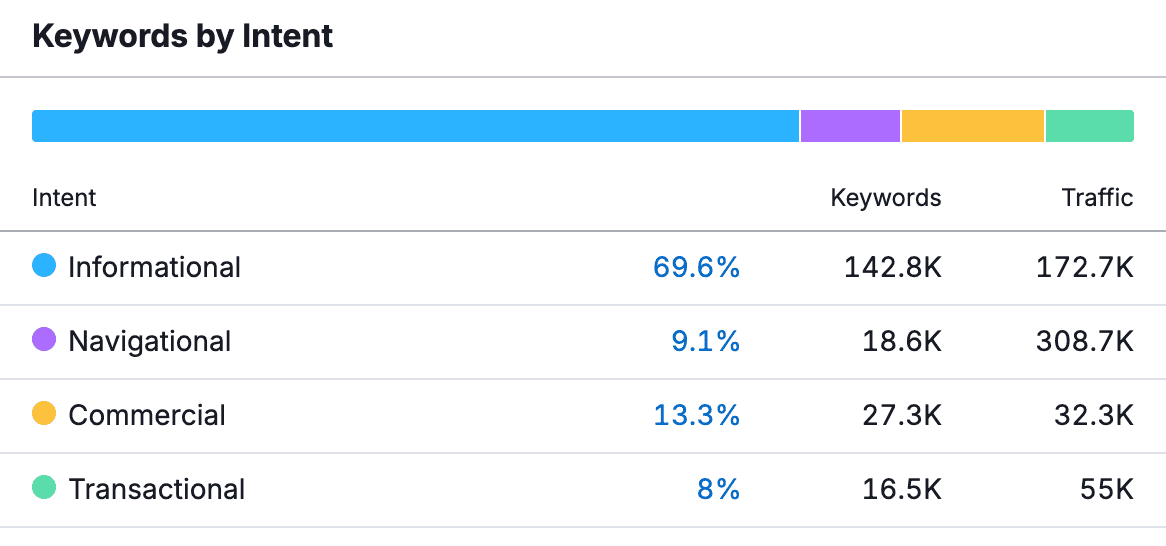
1. Product-Led Keywords (Direct Intent)
These keywords focus on Monday.com’s core features and functionalities. This ensures users actively looking for a solution find their platform. Here are some of them:
- “Monday project management software”
- “Monday.com CRM features”
- “Best Monday.com templates”
2. Use-Case Keywords (Pain-Point Driven)
Monday.com ranks for industry-specific or problem-solving queries that align with its product. These keywords help attract potential customers who may not yet know about Monday.com but need a solution. Here are a few examples:
- “best project management software for remote teams”
- “how to streamline marketing workflows”
- “work management tools for startups”
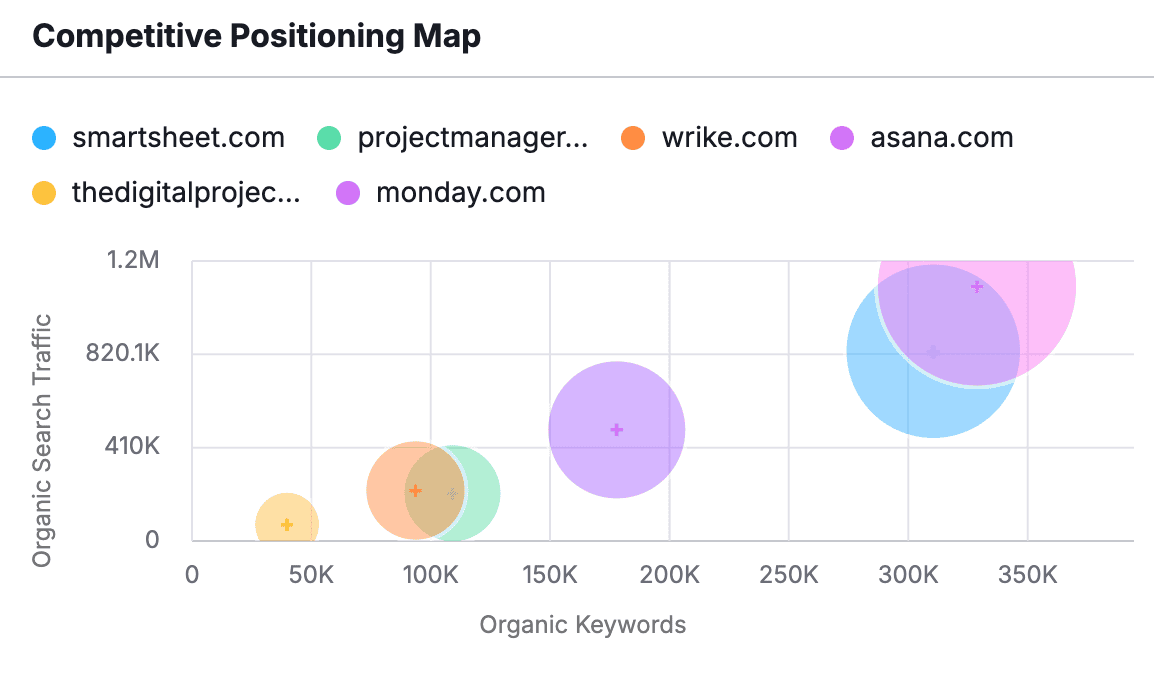
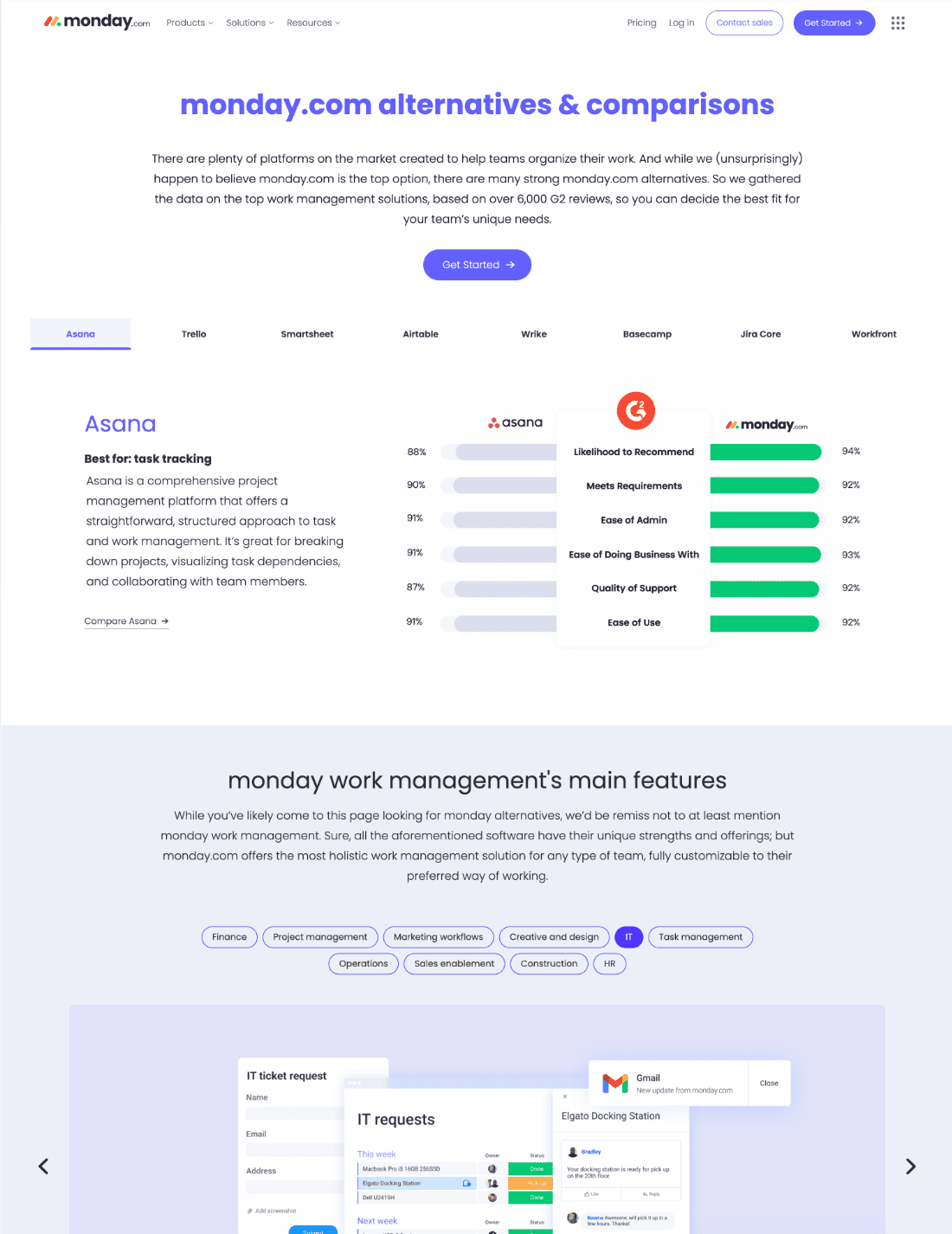
3. Comparison & Alternative Keywords
These keywords target high-intent users evaluating software options. By ranking for these terms, Monday.com positions itself against competitors and influences purchase decisions. Here are some examples:
- “Monday.com vs Asana”
- “Best Monday.com alternatives”
- “Monday.com vs Trello vs ClickUp”


4. Industry & Template Keywords
Monday.com uses industry-specific keywords to target niche audiences. This approach drives traffic while converting visitors into active users by offering tailored solutions. Here are some examples:
- “Monday.com construction project template”
- “best CRM template for sales teams”
- “Monday.com HR onboarding workflow”
Is your current content and keyword list not working for you? Reach out to us for an audit.
Content Formats: A Multi-Channel Content Marketing Strategy
Monday.com employs a mix of SEO-focused, educational, and conversion-driven content to engage and retain users. The diverse set of content formats in their strategy helps with reaching out to different segments of their audience and catering to their preferred mode of content consumption. Here’s how:
1. Blog Content & Thought Leadership
Monday.com’s blog is optimized for SEO and industry education, covering topics such as:
- Productivity and efficiency tips
- Project management best practices
- In-depth software comparisons and tutorials
Example: Their post on “How to Choose the Best Project Management Software” ranks for high-intent industry keywords.


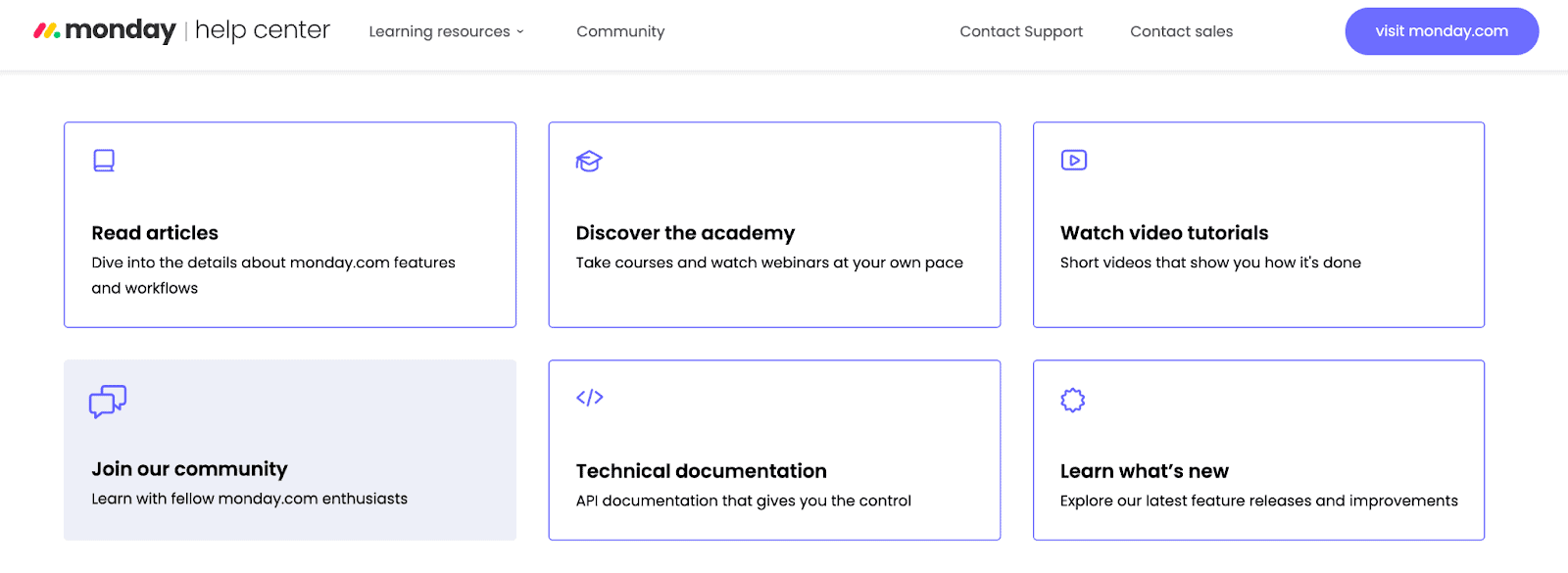
2. Help Center & Knowledge Base
Their support articles and knowledge base rank well for feature-related queries, serving as both SEO content and onboarding material.
Example: “How to create dashboards in Monday.com” ranks for functional queries and drives product adoption.

3. Template Library & Industry-Specific Landing Pages
Monday.com’s pre-built templates act as organic traffic drivers.
Example: The “Monday.com Marketing Calendar Template” ranks for relevant searches, attracting marketers looking for workflow solutions.
Here’s a glimpse at their vast template library:


And here’s how they have created persona and use-case specific web pages:


4. Community & User-Generated Content
Monday.com encourages users to share workflows, guides, and templates, creating organic SEO value through community-driven content.
Example: The “Monday.com Community Forum” generates continuous engagement and search traffic.
5. YouTube & Video Content
Monday.com leverages video SEO with tutorial videos, feature walkthroughs, and customer success stories.
Example: “How to Automate Workflows in Monday.com” ranks on both YouTube and Google’s video results.


6. Customer Stories & Case Studies
Monday.com showcases real-world success stories to highlight how businesses achieve efficiency using their platform.
Example: A case study featuring a global marketing agency details how they improved workflow efficiency by 40% using Monday.com.


Need help creating more content for your marketing and SEO strategy? Speak to our team.
Content Distribution: Expanding Content Reach Beyond Search
Beyond SEO, Monday.com ensures maximum visibility through multiple content distribution channels:
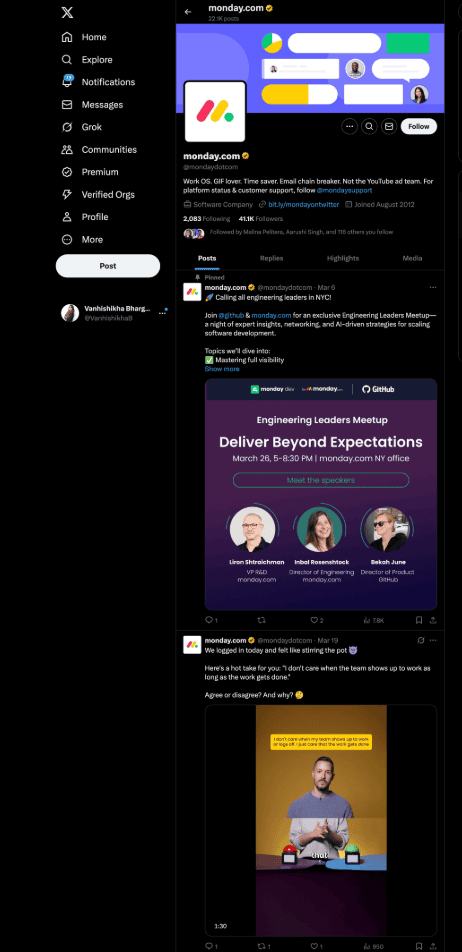
1. Social Media (LinkedIn, Twitter, YouTube)
- Sharing workflow hacks, product updates, and success stories.
- Engaging with the community using #MondayTips and #WorkOS.
- Leveraging LinkedIn for B2B decision-makers.



2. Email Marketing & Newsletters
- Sending feature updates, templates, and case studies to existing users.
- Using email as a content redistributor, driving users back to their blog & templates.


3. Community & Forums
- Active participation in Monday.com’s official community and Reddit discussions.
- Engaging with power users who create and share workflows.
4. Partnerships & Influencer Collaborations
- Collaborating with industry influencers and tech YouTubers to expand brand reach.
- Features in major publications like Forbes, TechCrunch, and Fast Company.
Got a lot of content but not reaching the right target audience? Contact us.
Key Takeaways for B2B SaaS Founders & Marketers
Here are some consolidated takeaways we recommend from Monday.com’s strategy that you can follow too:
- Target Diverse Keyword Types: Balance product-led, use-case, and competitor-based keywords for comprehensive reach.
- Leverage Multiple Content Formats: Combine blog content, templates, videos, and knowledge base articles to maximize engagement.
- Use Community-Generated Content as an Asset: Monday.com’s community-driven approach boosts organic content production.
- Distribute Content Beyond Google Search: Social media, email, and influencer partnerships drive additional traction.
- Focus on Conversion, Not Just Traffic: Monday.com’s content not only attracts users but educates and converts them into paying customers.
Conclusion
Monday.com’s content marketing and SEO strategy is a blueprint for organic SaaS growth.
By understanding their audience, strategically targeting high-intent keywords, and using multi-channel content distribution, they continue to scale their presence without heavy reliance on paid advertising.
If you’re building a SaaS product, studying Monday.com’s strategy can help you streamline your content approach, grow your organic reach, and improve user retention.
But we know that there’s a lot that goes from listing out content ideas to strategically mapping them to serve your business goals based on actual data – this is where we come in.
If you’re a B2B SaaS solution that wants to kickstart content marketing and SEO, let’s talk and get your strategy in place!