Marketing has never moved this fast.
Every week there’s a new algorithm update, another AI tool, another social platform, another “growth hack” promising overnight success. Marketers are constantly adapting to Google’s latest changes, trying to rank in AI search, keeping up with LinkedIn, creating videos for TikTok, and wondering whether traditional SEO is even relevant anymore.
The result is that many businesses spend more time reacting than actually building something that lasts.
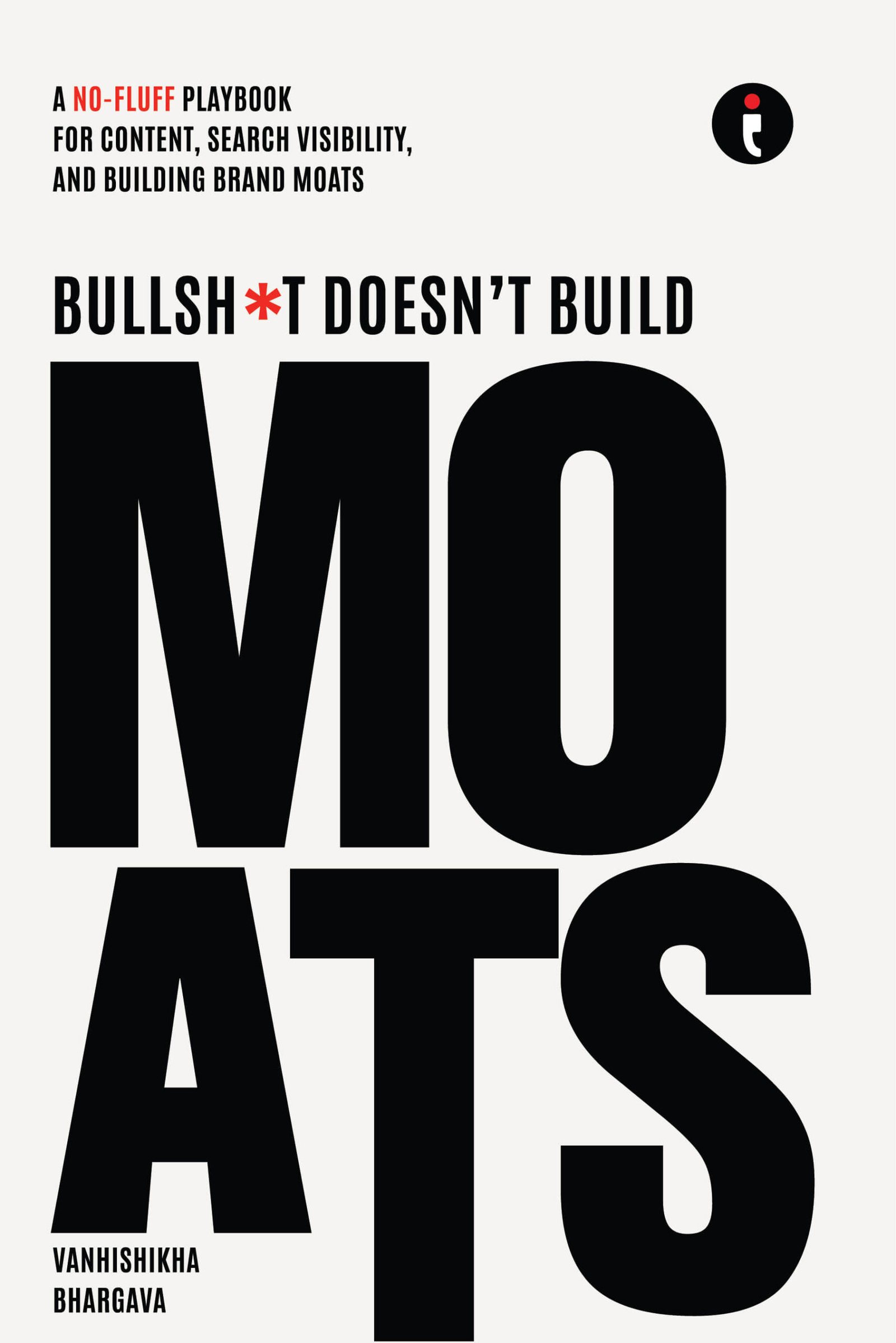
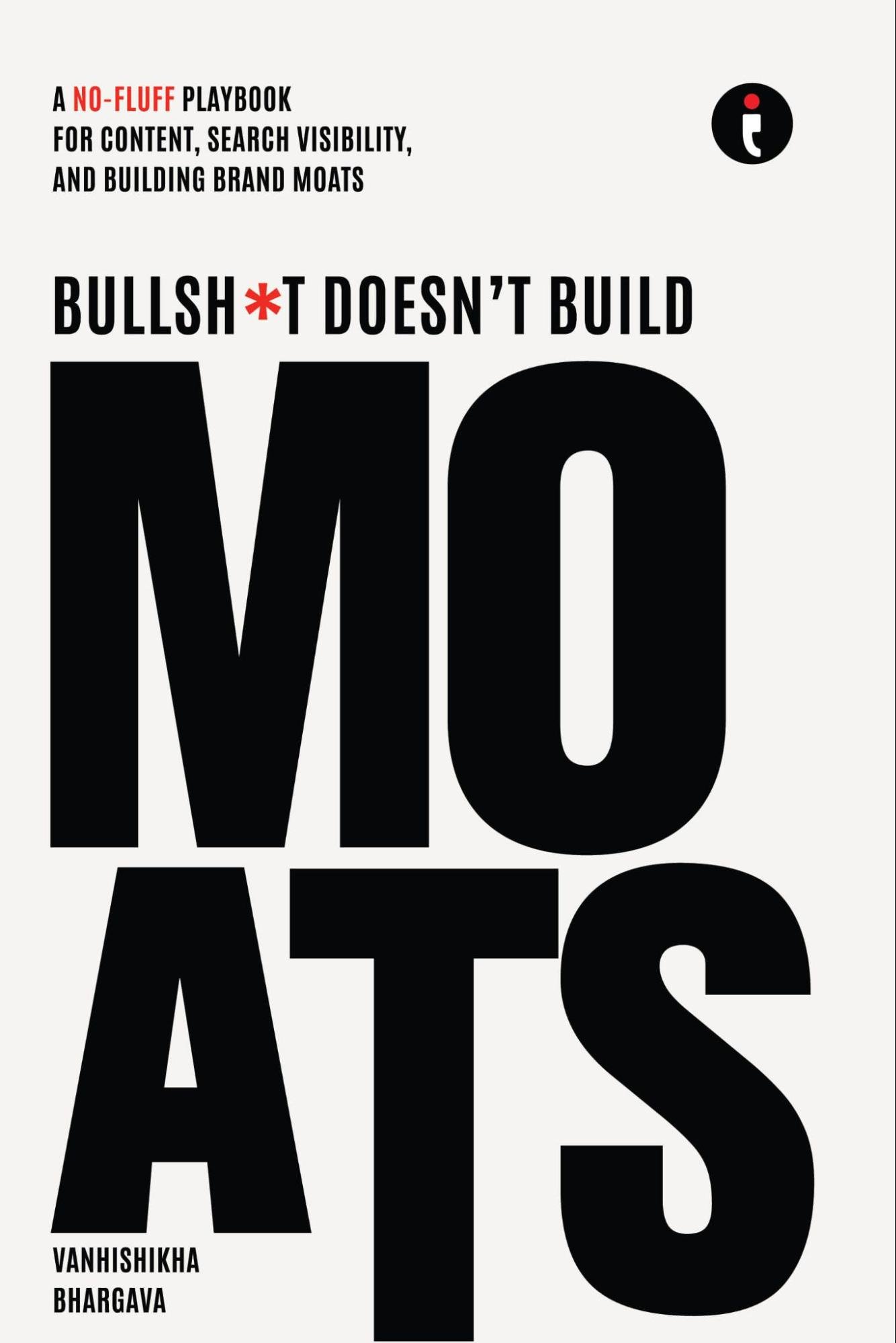
Bullsht Doesn’t Build MOATS* argues that this is exactly the problem.
Instead of chasing every marketing trend, Vanhishikha Bhargava proposes building a defensible Brand MOAT using content, search visibility, and strategic positioning. Drawing from more than a decade of helping startups and scale-ups grow organically, the book presents a long-term marketing system designed to survive platform shifts rather than depend on them.
Who is Vanhishikha Bhargava?
Vanhishikha Bhargava is the founder of Contensify, a search visibility and content marketing agency that has spent years helping startups, scale-ups, and enterprise companies build sustainable organic growth.
Over nearly 15 years in startup marketing, she has led more than 200 positioning and content strategy engagements, written thousands of pieces of content, and built marketing systems for businesses ranging from bootstrapped startups to global unicorns. Unlike many marketing agencies that rely heavily on paid acquisition, Contensify itself has grown organically through content marketing, SEO, and founder-led branding.
Her philosophy is simple: Strong brands outperform clever marketing tactics.
That perspective runs throughout the book.

What is Bullsh*t Doesn’t Build MOATS* About?
Rather than offering another collection of marketing hacks, the book introduces a systematic framework for building brands that become harder to compete against over time. Some of its biggest themes include:
1. Brand strategy matters more than visual branding
The book challenges the common belief that branding starts with logos, colors, or design. Instead, it argues that true branding is about creating competitive advantage and customer preference.
2. Content should build a competitive MOAT
Instead of publishing content simply to satisfy algorithms, the author explains how every article, video, and resource should strengthen a company’s long-term market position and authority.
3. Search has fundamentally changed
Google is no longer the only place customers discover brands. The book explores how AI assistants, Reddit, communities, and answer engines are reshaping search behaviour and what marketers need to do differently.
4. Brand MOATs outperform growth hacks
Throughout the book, Vanhishikha contrasts temporary tactics with long-term assets, showing why companies that invest in authority, community, category creation, and positioning continue to outperform competitors.
5. Marketing should become an operating system
Instead of isolated campaigns, the book encourages businesses to think of branding, SEO, content, measurement, and distribution as one integrated growth system.
Why Read Bullsh*t Doesn’t Build MOATS*?
There are thousands of marketing books that explain channels.
This one explains systems.
What makes it different is that it doesn’t encourage readers to chase every new tactic or platform. Instead, it focuses on building assets that continue creating value regardless of whether Google launches another update or AI changes how people search.
The writing is conversational, practical, and filled with startup examples rather than abstract marketing theory. Throughout the book, the emphasis remains on creating a brand that compounds over time through positioning, authority, content, and consistent execution instead of relying on short-term wins.
If you’re looking for a shortcut to instant growth, this probably isn’t the right book.
If you’re looking to build a business that people remember, recommend, and trust years from now, it offers a refreshingly practical roadmap.
Conclusion
As AI reshapes search and marketing becomes increasingly fragmented, businesses need strategies that remain valuable regardless of which platform is currently winning.
Bullsht Doesn’t Build MOATS* makes a compelling case that sustainable growth comes from building a defensible brand, not from endlessly chasing trends.
For startup founders, marketers, SEO professionals, agencies, and anyone responsible for long-term growth, it’s a timely reminder that the strongest competitive advantage isn’t another marketing tactic. It’s a brand that competitors simply can’t replicate.