SEO strategies for B2B SaaS are changing. What used to be a keyword-first approach is now shifting toward visibility, trust signals, and user intent. One of the biggest drivers behind this shift is AI.
With AI being deeply integrated into search engines, the way content is indexed, ranked, and surfaced is evolving fast. Buyer journeys are becoming more intent-driven, and compliance frameworks are tightening, forcing marketers to rethink how they build and distribute content.
In this blog, we’ll break down the top SEO trends for 2026 and share how SaaS marketers can prepare for what’s coming next.
TL;DR: B2B SaaS SEO Trends for 2026
B2B SaaS SEO is evolving fast. AI-driven search, shifting buyer behavior, and rising trust signals are reshaping how brands get discovered and ranked.
Here’s what you should focus on in 2026:
- Win in AI Search by structuring content for overviews, snippets, and direct answers.
- Lead with Depth & Trust through expert-led content, credentials, and first-party data.
- Leverage Community Platforms like Reddit and Quora to tap into authentic conversations.
- Prioritize Intent over Volume with focused SEO, topical clusters, and zero-click strategies.
- Refresh & Reinforce by updating existing content with new data, structure, and media to compound ROI.
Early movers will own the results.
SEO Trends for B2B SaaS We’re Backing in 2026
Not every SEO shift deserves your attention, but some will shape how B2B SaaS companies get discovered, ranked, and trusted in 2026. Here are the trends we’re betting on and why they matter:
1. AI Search = Answer Engines
Search engines now use AI to deliver the best possible answer directly in the results. Previously, users had to click through a list of links to find information. With Google AI Overviews and other AI modes, the most relevant content is surfaced upfront, reducing the need for clicks.
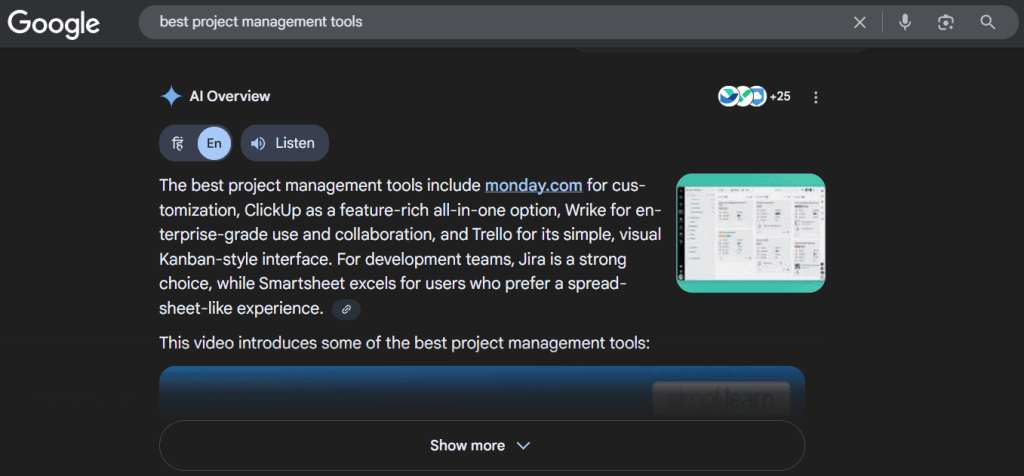
If your content isn’t part of those AI-generated answers, you risk losing high-intent traffic that would’ve previously landed on your blog or product pages.
Here’s what you can do to secure a spot in AI Overviews and similar answer features:
- Structure your content clearly so search engines can easily parse key information.
- Add FAQs that address specific, common questions in a concise way.
- Include short explainer videos to make your content more engaging and multi-format.
- Use schema markup (FAQ, HowTo, Article, etc.) to give AI the right signals.
- Target foundational informational pages like “What is SaaS Churn?” to secure early visibility in AI-generated answers.
2. Low-Volume, High-Intent Keywords Win
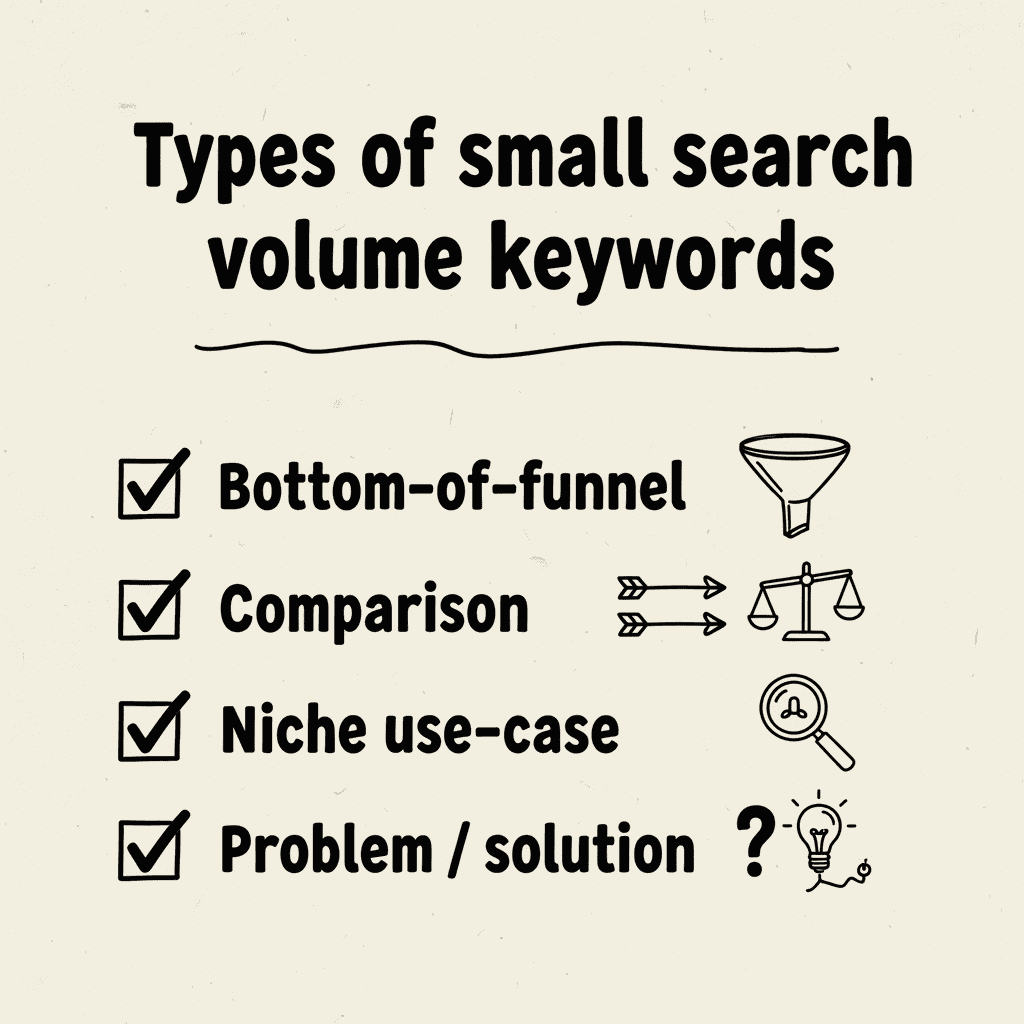
Targeting small search volume keywords is one of the most underutilized growth levers in B2B SaaS SEO. Many teams overlook these terms, assuming low volume equals low value. In reality, they often signal bottom-funnel intent, face less competition, and deliver higher conversion efficiency than broad, high-volume keywords.
Here’s what you can do to leverage this:
- Segment keywords by intent and specificity using tools like Ahrefs, SEMrush, and GSC to isolate high-value, low-volume opportunities.
- Prioritize bottom-funnel formats, like comparison pages, compliance-specific landers, and niche use-case content.
- Cluster related long-tail variations to build topical authority and improve ranking velocity.
- Track assisted conversions and pipeline influence, not just sessions, to measure true impact.
3. Community SEO (Reddit & Quora Rise)
Reddit and Quora have become powerful spaces for SaaS brands. These platforms host genuine conversations where users share real experiences, praise what works, and call out what doesn’t. That authenticity is exactly why Google’s AI Overviews and LLMs frequently surface content from these threads.
Today, Reddit and Quora discussions often outrank traditional blogs, especially with Google’s new “Discussions and Forums” section. Search engines clearly value community-driven content.

For SaaS companies, this is a chance to build trust where prospects are already talking. Product managers, support teams, and CSMs can add real value by contributing thoughtful, non-promotional insights. But moderation is strict, and one misstep can lead to bans or restrictions.
To scale safely, work with partners who understand these platforms and can help build a credible, lasting presence.
Talk to our Reddit and Quora experts to get started.
4. Quality Over Quantity
AI has made it easy to mass-produce content fast. But speed comes with trade-offs. Most AI outputs are generic, repetitive, and lack real insight, making it hard to stand out in competitive niches.
Search engines are catching on. Google penalizes thin, AI-heavy content, and users aren’t buying it either. We’ve seen this play out with a client who leaned heavily on AI-generated content: initial traffic spiked, but within months, rankings and CTR dropped sharply, hurting overall visibility.
To avoid this, prioritize depth over volume. Publish content backed by research, data, and real use cases. AI can support your process, but human expertise should lead.
5. Content Updates = Compounding ROI
Most SaaS blogs focus on publishing new content, but updating what’s already ranking is often the bigger win. Refreshing older articles with new data, product screenshots, and current examples signals relevance to both search engines and readers.
Google rewards freshness, and updated content often regains lost rankings faster than new pieces gain traction. It’s also more efficient when you’re building on existing authority rather than starting from zero.
For example, updating a “How to Reduce Churn” article with 2026 stats and product screenshots can give it a significant lift in visibility and engagement.
6. E-E-A-T & Topical Authority
Google continues to lean heavily on E-E-A-T (Experience, Expertise, Authority, and Trust) to decide what content deserves to rank. It’s no longer enough to just “cover” a topic; who is saying it and how credible they are matters more than ever.
Authorship, credentials, and proof of real-world experience are becoming critical signals. Think CTO-bylined deep dives, security whitepapers, and detailed compliance case studies, kind of content that demonstrates hands-on expertise.
For SaaS companies, building topical authority across core themes isn’t optional anymore. Consistently publishing authoritative, experience-led content earns trust from both users and search engines and that trust compounds over time.
7. Content Architecture: Clusters > One-Offs
Publishing scattered, one-off articles is no longer enough. Google now looks for clear topical structure and strong internal linking to determine which sites truly have authority. That’s where content clusters come in.
A well-planned cluster connects a main pillar page to several in-depth subtopics, signaling both breadth and depth. For example, a pillar on “SaaS Billing Models” can link to supporting pages on “Usage-based pricing,” “Hybrid pricing,” and “Revenue recognition.”
For SaaS companies, this approach does two things: it strengthens topical authority and improves rankings across multiple related keywords. Plus, it guides users through a logical content journey, increasing time on site and conversion opportunities.
8. Video + Transcript SEO
Video is becoming a major part of search, from YouTube results to Google’s AI Overviews. But text still plays a critical role. Search engines rely on transcripts, structured data, and supporting text to fully understand and rank video content.
For SaaS companies, the smartest approach is to pair every feature demo or explainer video with a transcript, summary blog, and schema timestamps. This improves discoverability and gives users multiple ways to engage with the same content.
9. Zero-Click SEO & Snippets
Search results are evolving fast, with more answers appearing directly on the results page. Featured snippets, FAQ sections, and comparison tables have become prime real estate.
For SaaS brands, winning this space means structuring content intentionally. Think “Stripe vs Braintree vs Paddle” comparisons in table format, or clear FAQ blocks that directly address common queries. Done right, zero-click SEO keeps your brand visible, even when users don’t click through and often positions you as the go-to authority.
10. First-Party Data as SEO Fuel
With third-party cookies fading out, first-party data is becoming a powerful SEO asset. Search engines and users both value original, verifiable insights, and SaaS companies are perfectly positioned to provide them.
Interactive tools, proprietary benchmarks, and calculators don’t just engage users longer; they also attract backlinks and media mentions. Think “SaaS ROI calculators,” “churn benchmark quizzes,” or interactive industry reports that offer unique value competitors can’t replicate.
By building content around your own data and tools, you’re not only improving rankings but also establishing your brand as a trusted industry source, something generic content can’t achieve.
11. AI in Content Workflows (with Human Oversight)
AI is transforming how SaaS teams create content, speeding up research, ideation, and first drafts. But where it truly delivers value is when human expertise steps in to refine, enrich, and fact-check.
The best content blends AI’s efficiency with human depth. For example, AI can generate a solid outline, while product managers or engineers add real technical examples, insights, and context that AI alone can’t replicate.
This human-in-the-loop approach not only ensures accuracy and originality but also helps brands scale without sacrificing quality, something that’s becoming critical as search engines tighten their focus on authenticity.
12. Cross-Team SEO Collaboration
Great SEO doesn’t happen in a silo. The most effective SaaS brands are the ones where SEO, Product, Sales, and Customer Success work together. Each team holds unique insights that can turn ordinary content into powerful growth assets.
For example, engineers can share infrastructure data, which the SEO team can transform into a “Scaling to 10M Users” blog, something AI or generic writers can’t replicate. Similarly, Sales and CS teams can surface real buyer questions and objections that fuel keyword strategy and content creation.
This kind of cross-functional collaboration builds depth, credibility, and topical authority, making your content stand out in a crowded SaaS landscape.
13. SEO Metrics = Business Metrics
The way SaaS companies measure SEO success is evolving. Raw traffic and keyword rankings are no longer enough. What really matters is how organic content contributes to the pipeline, MQLs, and revenue.
Modern SEO strategies tie content performance directly to business outcomes. Instead of just tracking visits, measure how blog posts, landing pages, or comparison pages drive demo requests, free trial signups, or product activations.
This shift doesn’t just prove ROI, it aligns SEO with sales and growth goals, helping marketing teams secure bigger budgets and make smarter decisions about where to invest their efforts.
14. Compliance, Provenance & Trust
As AI regulations and privacy laws tighten from the AI Act to evolving data rules, authenticity and transparency are becoming critical SEO signals. Search engines and users alike want to know where information comes from and who’s behind it.
For SaaS companies, this means adding clear content credentials, author bios, sources, and disclaimers for AI-assisted content. Brands that are upfront about their content creation process will build more trust and long-term credibility than those that hide it.
15. Link Building Evolves → Co-Creation & Mentions
Traditional link building through guest posts is losing steam. Today, high-authority mentions and co-created assets drive stronger, more sustainable results.
Think co-authoring industry reports, hosting virtual events, or partnering with complementary SaaS brands on original research. For example, publishing a “State of SaaS Security 2026” report with partners can attract natural backlinks, media mentions, and community shares, without forced outreach.
This collaborative approach builds trust, visibility, and domain authority while creating genuinely valuable content that the ecosystem wants to reference.
Conclusion
The smartest SaaS teams aren’t waiting for 2026; they’re laying the groundwork now. SEO is evolving fast, from AI search and community-driven conversations to topical authority, structured content, and real trust signals. Those who adapt early will lead when these shifts hit full speed.
At Contensify, we’ve spent over a decade helping SaaS brands build future-ready, revenue-driven SEO strategies. We’re currently taking on a limited number of projects for 2026.
Book a call with our experts today, and let’s build your next growth engine together.