Learn more about the social media marketing trends SaaS companies should consider.
In the past few years, social media has changed fast. AI, chatbots, new features, and endless algorithm updates have completely reshaped how brands appear online.
And this evolution isn’t slowing down anytime soon. Some changes fade quickly, but others stick and can define how SaaS companies grow and connect.
In this blog, we’ll cut through the noise and share the B2B social media marketing trends for 2026 that are worth your time, attention, and effort.
TL;DR – B2B SaaS Social Media Marketing Trends for 2026
Social media for B2B SaaS is changing fast, and 2026 will be all about being discoverable, authentic, and data-driven. Social media platforms are becoming search engines, and audiences crave authentic voices over polished ads.
Here’s what to keep in mind:
- Search-first strategy: Optimize posts for discovery on LinkedIn, YouTube, and Meta.
- Human over brand: Employee advocacy and practitioner-led content outperform company pages.
- Real beats perfect: Short, honest, and community-based content drives the most trust.
- AI and safety matter: Transparency rules and impersonation monitoring are now essential.
- Measure what counts: Focus on pipeline impact and revenue, not vanity metrics.
Social Media Marketing Trends for B2B SaaS We’re Backing in 2026
These are the social media marketing trends we’ve seen gain real traction with B2B buyers, the ones backed by shifting platform dynamics and changing buyer behavior. More importantly, they’re practical enough to implement without overhauling your entire strategy.
1. Social platforms double as search engines
Buyers aren’t starting on Google anymore. They search directly on LinkedIn, YouTube, and Meta for product recommendations, feature comparisons, and vendor reviews.
This creates two significant opportunities. First, platforms like Meta now use AI to generate search summaries, surfacing the most relevant content to users. If your posts are optimized, you could appear in these summaries right when buyers are looking.

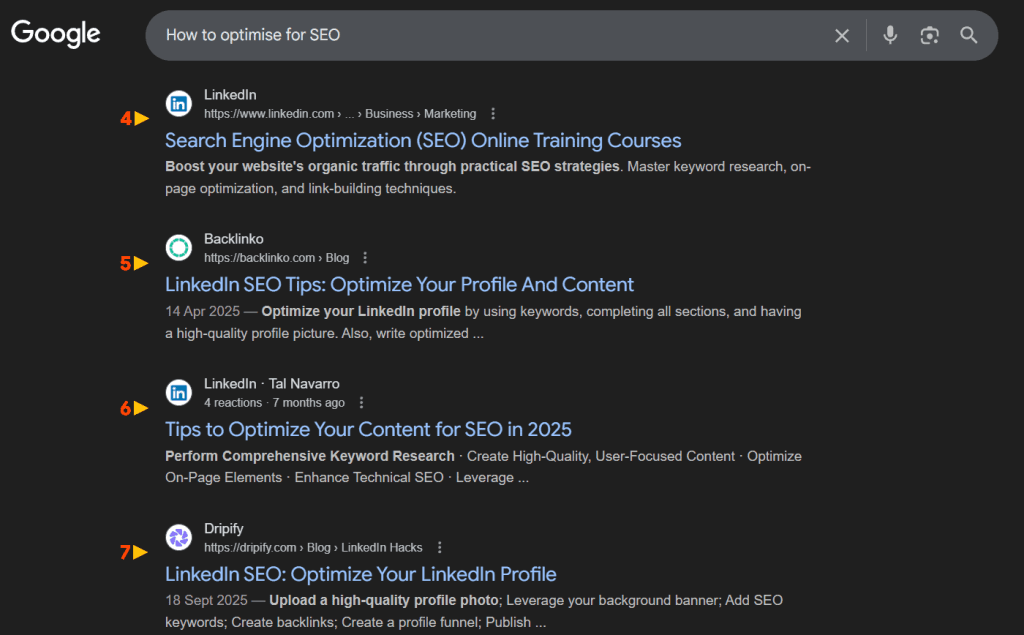
Second, social posts now rank in Google search results alongside traditional content. A well-optimized LinkedIn post can appear in search just like a blog post.
What to do:
- Use keyword-rich language in captions and opening lines
- Answer specific buyer questions (“best CRM for small teams,” “how to automate onboarding”)
- Focus on LinkedIn for B2B discovery and YouTube for product demos
- Track which posts appear in platform searches and create more like them
2. AI-Generated Content Disclosures Become Mandatory
Platforms like LinkedIn, Meta, and YouTube are tightening their rules around transparency. Any post, video, or image created with AI now needs a clear disclosure label. And this isn’t just about compliance, it’s about visibility.

Content that skips disclosure risks may lower reach or even be removed.
As AI-generated visuals and copy become more common, these rules are designed to protect authenticity and trust across feeds. For brands, that means being upfront about AI use while still keeping content human, credible, and aligned with platform policies.
3. Employee Advocacy Outperforms Brand Handles
Content shared by employees consistently outperforms posts from company pages. It gets higher reach, stronger engagement, and far more trust. The reason’s simple: people connect with people, not brands. When a team member shares a story, a product update, or even a customer win, it feels real, not rehearsed.
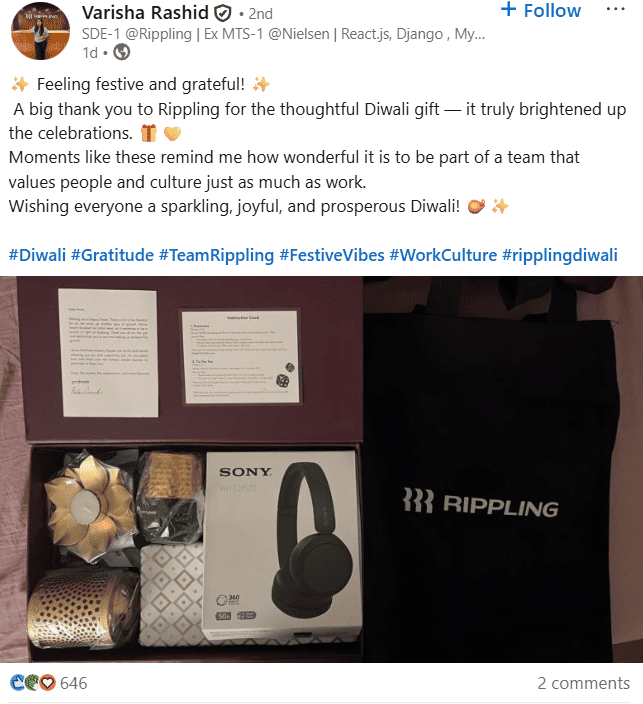
In 2026, smart SaaS brands will make employee advocacy a core part of their strategy. That means building systems that make it easy for employees to share content, offering templates or prompts, and recognizing those who actively contribute.
The goal isn’t to control the message but to empower authentic voices because that’s what builds credibility and community online. This is one of the social media marketing trends we’re personally rooting for!
4. Practitioner-Creators > Traditional Influencers
Traditional influencers are losing ground in B2B. Buyers no longer want polished scripts or generic product shoutouts; they want real insights from people who’ve actually solved the problems they’re facing.
That’s where practitioner-creators come in. A product manager breaking down their tech stack, an engineer sharing a workflow hack, or a finance lead showing how they automate a process, this kind of content carries weight because it comes from experience, not sponsorship.
Encourage your own experts to share their perspective, record walkthroughs, or document learnings. People listen when they know the person talking has actually done the work.
5. Short-Form Video Remains Dominant
Short-form video still rules social feeds and for good reason. It’s quick to consume, easy to share, and keeps attention better than any other format. Expert clips, product walkthroughs, and short “how-to” explainers continue to drive the most engagement across platforms like LinkedIn, YouTube Shorts, and Meta is one of the social media marketing trends that will continue to grow.

What’s changing is how these videos are produced and optimized. Native subtitles, searchable transcripts, and time-stamped chapters are now expected. They make videos easier to find, easier to watch, and far more accessible. For SaaS brands, that means simplifying complex ideas into bite-sized visual stories that teach, not sell.
6. Community-Driven Content Fuels Trust
Community-led spaces like Reddit, Quora, Slack, and Discord have become the new go-to places for SaaS discussions. These are where users talk openly, sometimes complain, sometimes rave about tools, features, and real-world challenges. That unfiltered honesty is exactly why these spaces drive so much trust.
Unlike polished brand content, community-driven conversations feel real. When snippets or takeaways from these discussions are shared on social, they instantly add credibility. People can tell when feedback is genuine, and that authenticity often carries more weight than any paid campaign.

These discussions have also reached far beyond their platforms. LLMs, search engines, and AI summaries now pull insights from community forums, meaning your brand can show up in search results even without publishing formal content.
Encourage your PMs, product marketers, or CSMs to join these communities and contribute meaningfully by answering questions, sharing insights, and helping users troubleshoot.
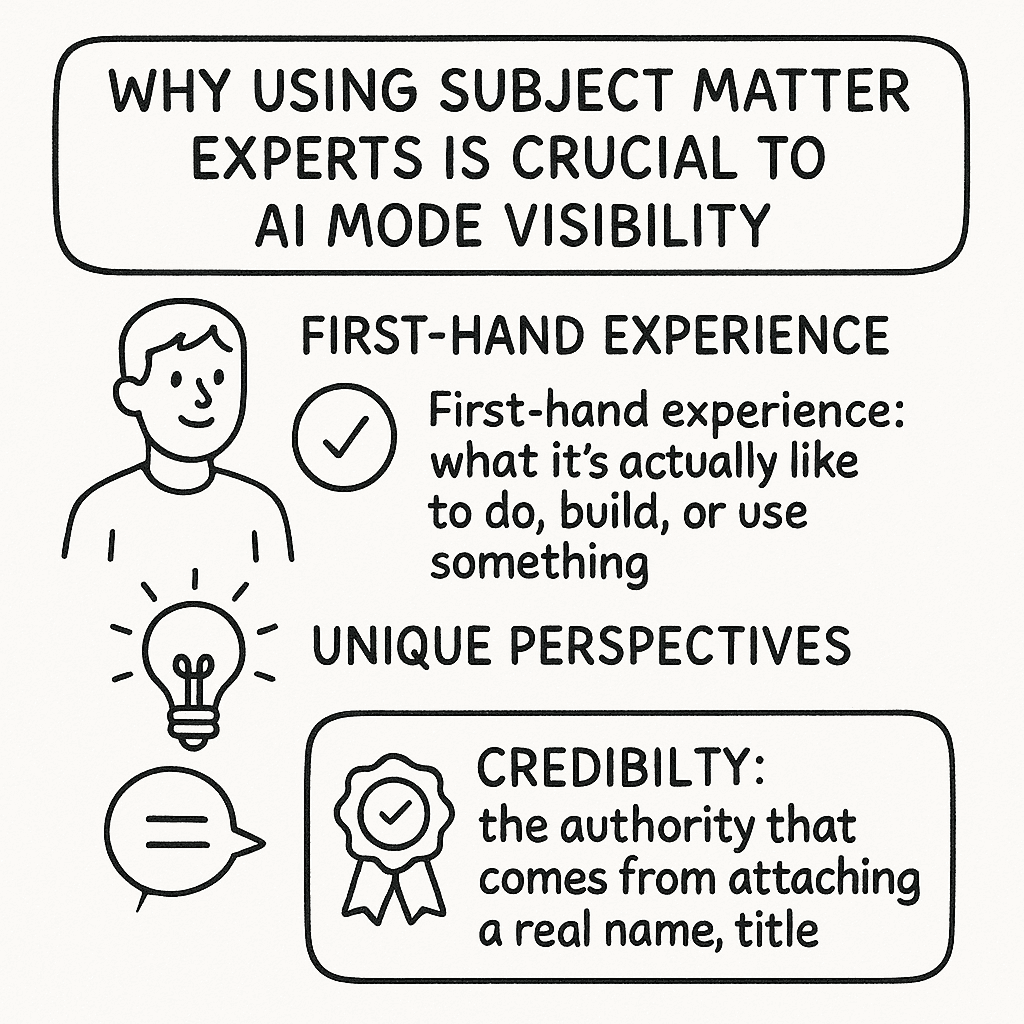
But do it carefully. Platforms like Reddit and Discord have strict moderation rules, and self-promotion can backfire fast. To do this effectively, consider partnering with an agency or community expert who knows how to build authority within these spaces without crossing the line.
7. Micro-Events and Live Formats Thrive
Big, scripted webinars are fading out. What’s working now are smaller, more interactive sessions, like LinkedIn Lives, AMAs, and private roundtables. They feel casual, real, and easier to join, leading to higher engagement and better conversations.
The best part? These sessions keep paying off. Short clips, quotes, and insights from live events can be repurposed into weeks of social content, extending reach without extra effort. One good live session can easily fuel your entire content calendar.
8. Algorithm Shift: Authority > Virality
Platforms like LinkedIn value authority, credibility, and topic relevance, rewarding posts that actually teach, not just trend. B2B audiences aren’t impressed by vanity metrics anymore. They care about authenticity and expertise. A post that helps them understand a concept or solve a problem will always outperform one chasing likes or comments.
For SaaS brands, this means focusing less on “going viral” and more on building topical authority by sharing insights, data, and real experiences that position your brand (and your people) as trusted voices in your niche.
9. AI-Powered Personalization of Feeds
Social platforms are getting smarter about what shows up in each user’s feed. Algorithms now prioritize role-relevant content, meaning a CFO might see ROI-focused posts, while a DevOps lead gets security demos or workflow breakdowns.
For SaaS marketers, one-size-fits-all content won’t work anymore. To stay visible, you’ll need to diversify by persona-tailoring posts, examples, and messaging to match different roles within your audience. The more specific and context-aware your content is, the more likely it is to reach (and resonate with) the right people.
10. Dark Social Attribution Gains Importance
A growing share of B2B influence now happens in places analytics can’t track, like Slack groups, DMs, private Discord servers, and niche communities. Buyers discuss tools, swap recommendations, and make decisions long before they ever fill out a form.
That’s why marketers are turning to self-reported attribution by simply asking leads, “How did you hear about us?” It’s the most reliable way to capture those invisible touchpoints that never show up in dashboards.
For SaaS brands, tracking dark social isn’t about perfect data; it’s about understanding how real conversations drive trust and purchase intent behind the scenes.
11. Authenticity and Transparency Beat Polish
The posts that win today aren’t the ones with perfect lighting or studio edits, they’re the real, human ones. Behind-the-scenes clips, quick phone-recorded videos, and honest takes outperform overly produced campaigns every time.
Audiences crave connection, not perfection. They want to see how teams work, what challenges they face, and how products actually get built or used. In short, “show, don’t sell” has become the default approach, meaning you lean into transparency by letting your people, your process, and your product speak for themselves.
12. Paid Social Moves to Hyper-Niche Targeting
Paid social has become a precision game. Rising CPMs and stricter privacy rules are forcing marketers to narrow their focus. The strongest campaigns now target micro-segments built around specific roles, pain points, and tech stacks.
This level of targeting only works when the creative feels real. Generic ads get ignored. High-performing campaigns use the same language buyers use in communities, reviews, and search, making the message feel familiar and relevant.
How to put it into action:
- Build segments based on job titles, challenges, and tools your audience already uses.
- Tailor creative to match each segment’s priorities.
- Use insights from customer conversations and support tickets to shape messaging.
- Keep ad formats simple and native to the platform.
13. Metrics Shift to Pipeline Impact
Likes and impressions no longer tell the full story. B2B teams are moving past vanity metrics and focusing on what actually drives revenue. Social success is now measured by pipeline influence, demo requests, and sales cycle velocity.
This shift pushes marketers to align closer with sales, track multi-touch attribution, and connect content performance to real business outcomes. The goal is to prove how social contributes to qualified leads and revenue growth.
14. Brand Safety and Impersonation Monitoring
AI-generated deepfakes and fake profiles are becoming real threats to SaaS brands. From cloned executive accounts to misleading content, impersonation risks are rising fast.
Smart social teams are already preparing by setting up monitoring systems, alert tools, and quick-response processes to detect and report fake accounts before they spread misinformation. Protecting your brand now means being proactive, not reactive.
15. Thought Leadership = Original Data + Strong POV
The days of generic thought leadership are over. What stands out now are posts backed by data, benchmarks, or a clear point of view. Mini-studies, product usage trends, or insights drawn from customer outcomes build credibility and spark meaningful engagement.
People don’t want recycled takes, they want perspective. The strongest thought leaders are the ones who share real numbers, lessons learned, and opinions that make others stop and think.
Let’s build your thought leadership together!
Conclusion
Social media marketing trends for B2B SaaS are quickly shifting from vanity metrics to pipeline impact, and from polished ads to authentic voices. The brands that win will be the ones that stay real, move fast, and adapt to how buyers actually behave online.
If you’re ready to put these trends into action and build a social strategy that drives real results, Contensify can help you get started.