The eCommerce SaaS space is exploding. Every day, new tools, fresh use cases, and smarter solutions enter the market, each promising to help brands sell more, retain better, and market smarter.
But as the number of players grows, so does the noise. Standing out is no longer just about having a great product; it’s about how well you tell your story.
That’s where content marketing makes all the difference. The brands that are growing fast aren’t just selling features; they’re creating experiences through content that educates, inspires, and builds trust.
Because in a market overflowing with similar promises, connection is what truly drives conversion.
In this blog, we’ll look at the best content marketing examples in eCommerce SaaS and what they reveal about driving genuine growth.
Content Marketing Examples from eCommerce SaaS Companies
Here’s how some of the top eCommerce SaaS brands are using content to stand out, build trust, and drive meaningful growth in a crowded market:
1. Appbrew
Appbrew is a mobile app builder for eCommerce brands, helping Shopify and DTC stores turn their online shops into fully branded mobile apps, without code.

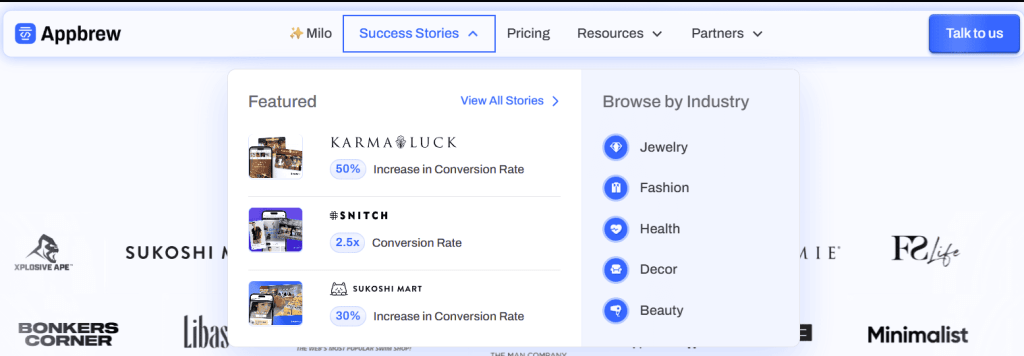
What sets Appbrew apart is how they use customer proof everywhere. Testimonials and success stories appear across blogs, feature pages, and landing pages, reinforcing trust at every step.

Their Success Stories page even filters by industry, letting visitors explore results relevant to their niche.
They’ve also built a strong review presence on platforms like G2 and the Shopify App Store, adding credibility before users ever reach their site.
Appbrew’s comparison pages, like Appbrew vs [competitor], are smart SEO plays. They capture intent-driven traffic and help users make confident choices.

Their blog leans on listicle-style articles such as:
- 7 Best AI Mobile App Builders for eCommerce Businesses in 2026
- 8 Best Venn Apps Alternatives in 2026
- 8 Best OneMobile Alternatives in 2026
These target high-intent searches and position Appbrew in front of users who are ready to convert.

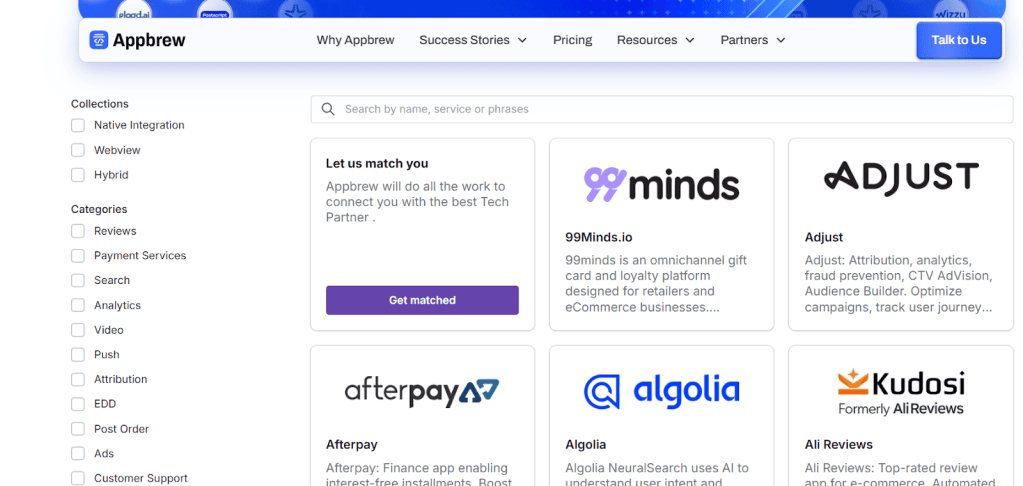
They also maintain feature update pages to announce new releases and a searchable partner directory for integrations, both designed to support users and strengthen Appbrew’s ecosystem.
Overall, Appbrew’s content strategy is trust-first, SEO-driven, and built for decision-stage buyers.
2. Okendo
Okendo helps eCommerce brands turn customer feedback into growth through reviews, UGC, and surveys. But what really stands out is how they use content to capture intent and guide users seamlessly through their journey.
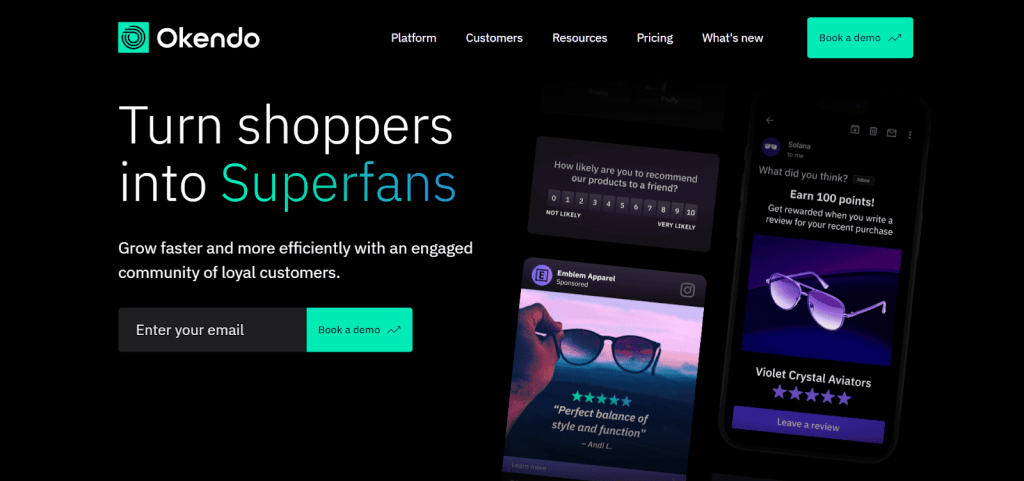
Their website blends great UI and UX with a clear content structure. The Help Center and Developers Hub are keyword-rich, targeting high-intent queries like “how to install Okendo” or “Okendo API setup.” These pages serve dual purposes, supporting existing users while attracting evaluators who are actively comparing tools.

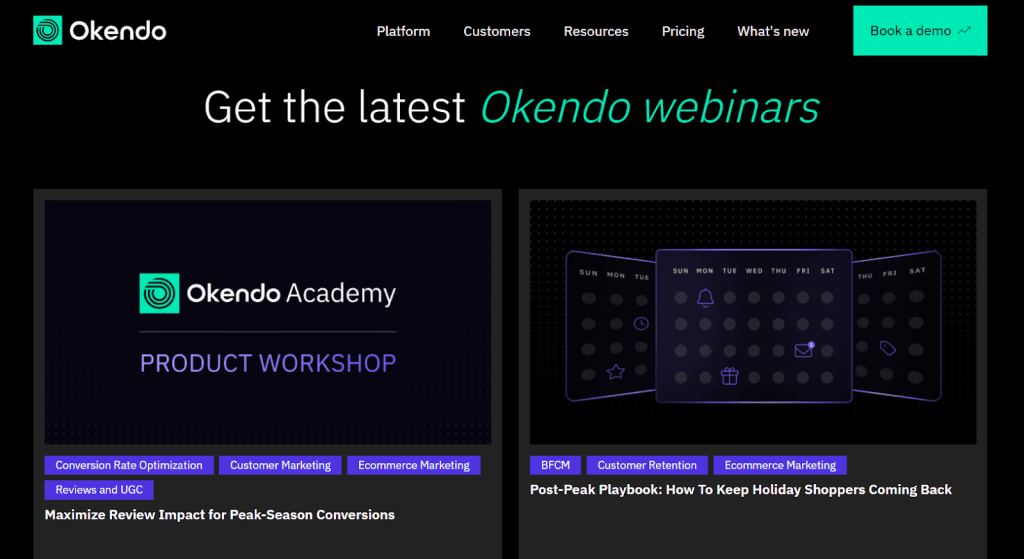
Their Webinars and Guides simplify complex ideas. Whether it’s building trust with reviews or automating customer feedback, the content is practical and easy to apply.
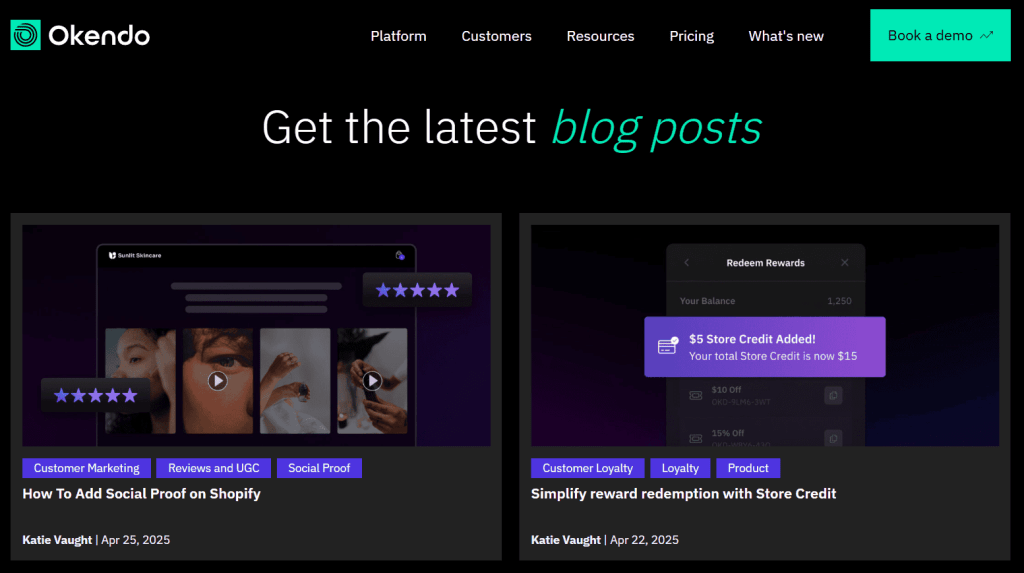
They also maintain a steady flow of how-to and listicle-style blogs, giving readers quick wins and keeping Okendo visible for organic traffic.
Off-site, Okendo stays active on LinkedIn and Twitter, posting about partnerships, webinars, and updates. This multi-channel presence keeps users engaged across touchpoints and reinforces the brand’s expertise.

And to round it off, their Alternative/comparison pages smartly capture bottom-funnel searches, helping users make confident and informed choices.
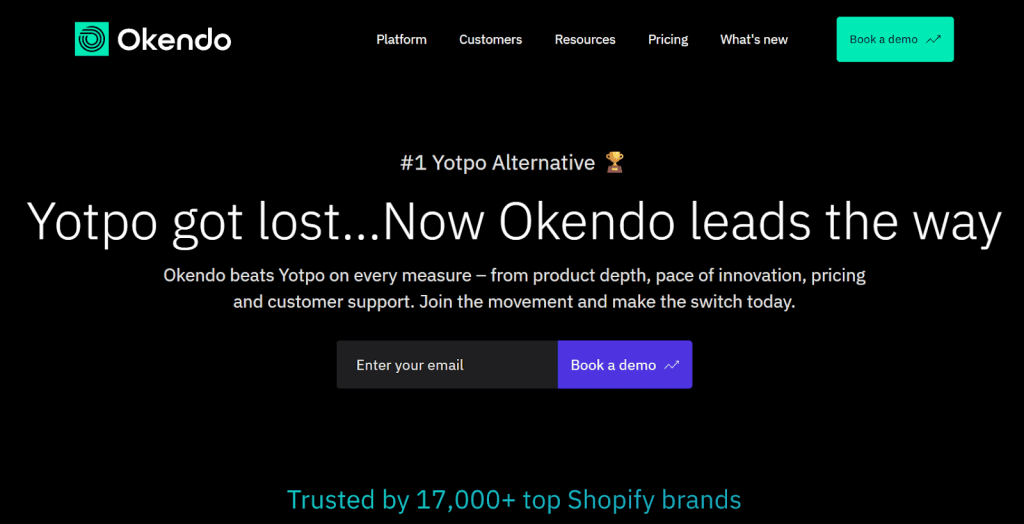
Okendo’s content strategy is simple but powerful: help first, sell later. It’s intent-driven, educational, and built to turn browsers into believers.
3. Yotpo
Yotpo is a marketing platform designed for eCommerce brands, offering reviews, loyalty, SMS, subscriptions, and referrals all under one roof.
First, Yotpo is a prime example of using calculator-style tools to attract and engage its audience. Their recently launched UTM Generator is a brilliant move. It’s a free, useful resource that marketers love. Tools like this act as traffic magnets, pulling in high-intent users (in this case, eCommerce marketers) who may not yet be actively searching for Yotpo. It gives them instant visibility across their ICP while delivering real value upfront.

Another thing Yotpo does exceptionally well is comparison pages, a common thread among leading eCommerce SaaS companies. You’ll find pages like:

Their blog page is filled with listicle-style content. These types of posts pull Shopify store owners directly into Yotpo’s world, building awareness among one of their key audiences.

Yotpo also maintains a detailed glossary section, ranking for a range of TOFU (top-of-funnel) queries. This helps them capture early-stage researchers and nurture them down the funnel through educational content.
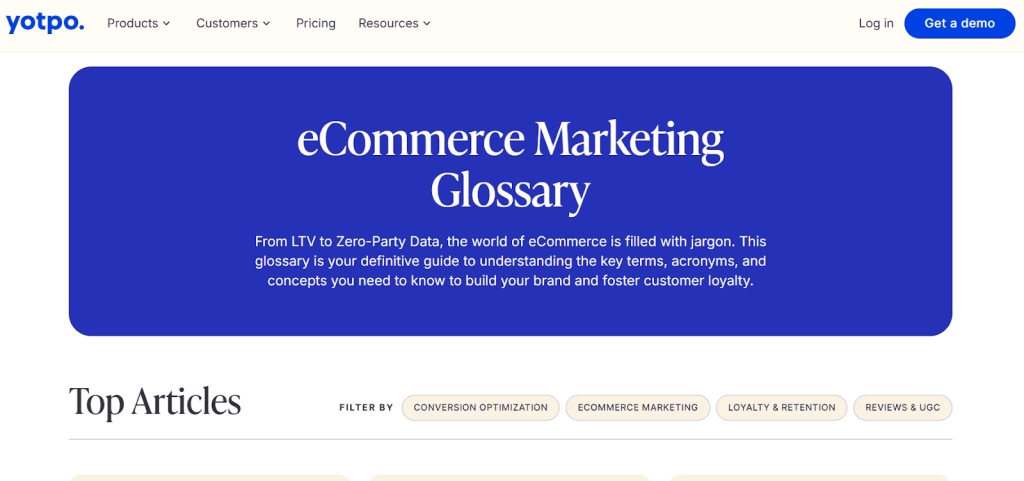
Lastly, Yotpo has built a solid pillar-cluster structure centered on topics such as eCommerce marketing, the Shopify ecosystem, and customer retention. This helps them dominate SEO across multiple related themes while reinforcing authority in their niche.
4. Brevo
Brevo is an all-in-one email marketing and automation platform that helps businesses connect with customers and grow through effective campaigns.
Their content strategy stands out for how well it supports every stage of the buyer journey.
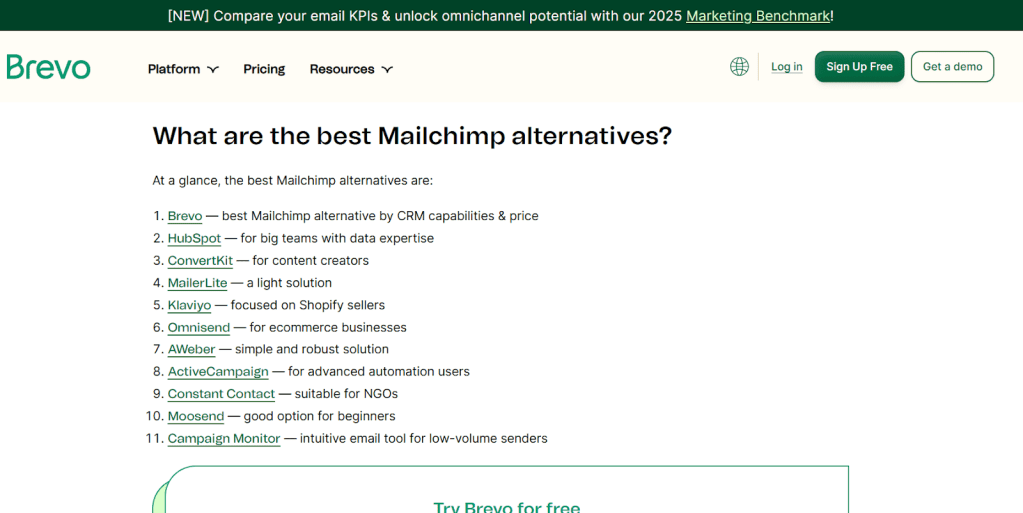
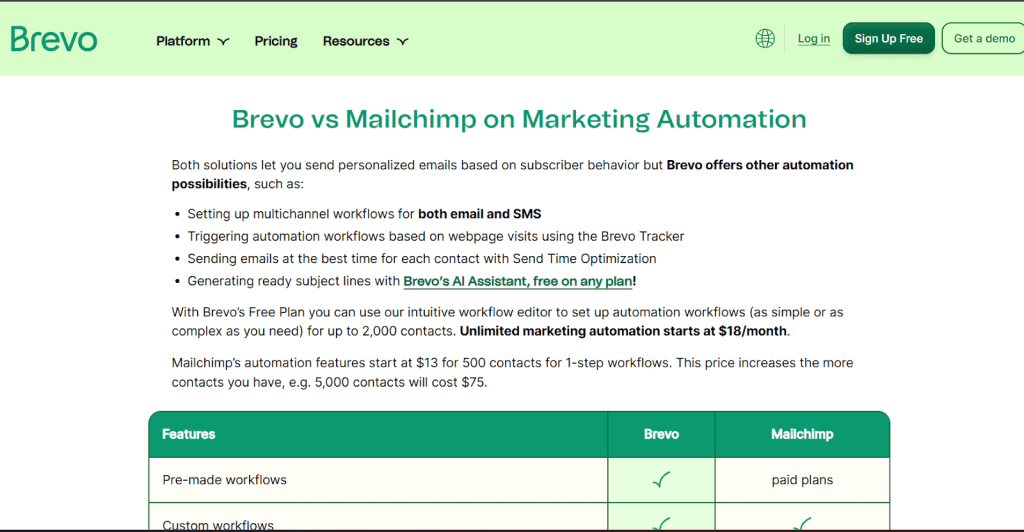
Brevo’s alternative and comparison pages are strong conversion assets, helping users evaluate tools, understand differences, and make confident decisions, all while capturing high-intent searches.
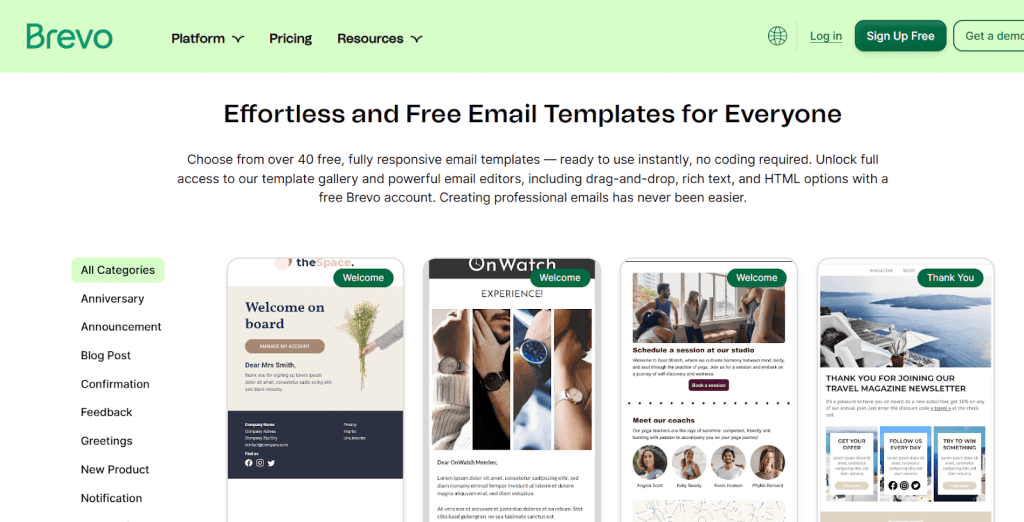
They also offer a comprehensive email template library, giving marketers instant value and a preview of the product experience.
Brevo’s glossary smartly targets top-of-funnel queries, building visibility around key industry terms and positioning the brand as an educational resource.

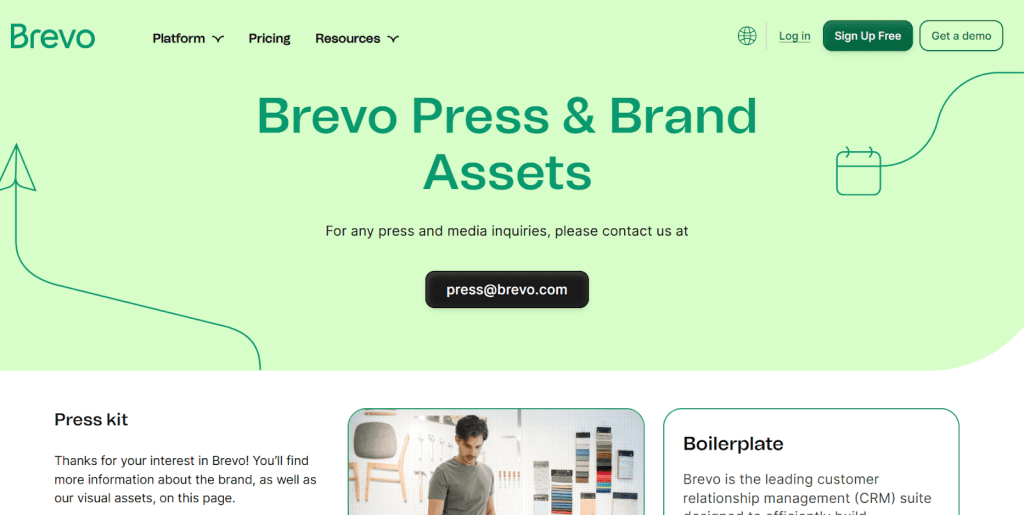
Their brand guidelines ensure consistent messaging and design across all channels, reinforcing a professional, unified identity.
The community section brings users together to share insights and stay engaged, while the events page highlights upcoming webinars and conferences, keeping Brevo visible wherever its audience is active.

Finally, Brevo’s blog leans more towards practical content like listicles and how-to guides, offering actionable insights that tie naturally to its products.
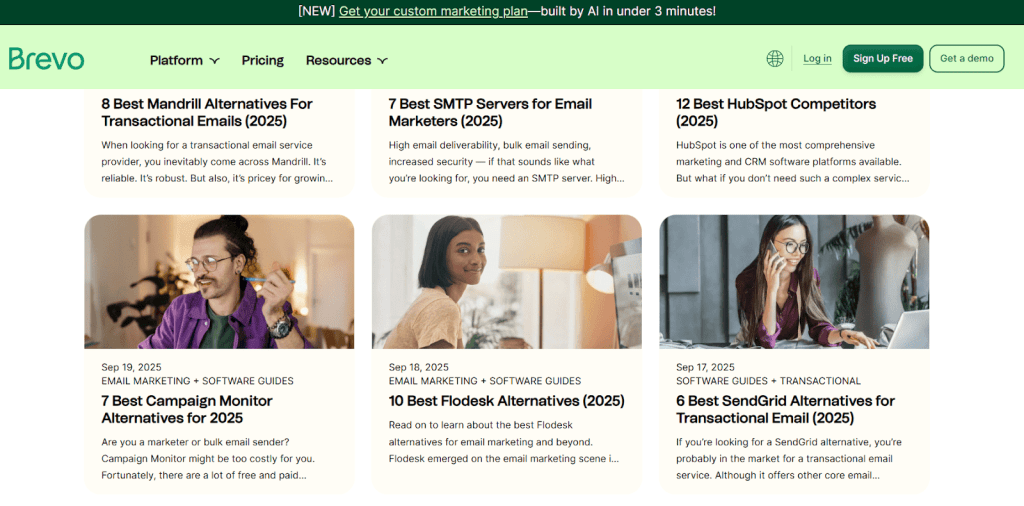
In short, Brevo’s content strategy is clean, intentional, and user-first with every piece, from templates to blogs, working together to attract, educate, and convert.
5. Klaviyo
Klaviyo is a marketing automation platform built for eCommerce brands, and its content marketing engine is a perfect example of structure, intent, and scalability done right.

Every product and feature on their website has a dedicated page, complete with clear explanations, testimonials, screenshots, and case studies.
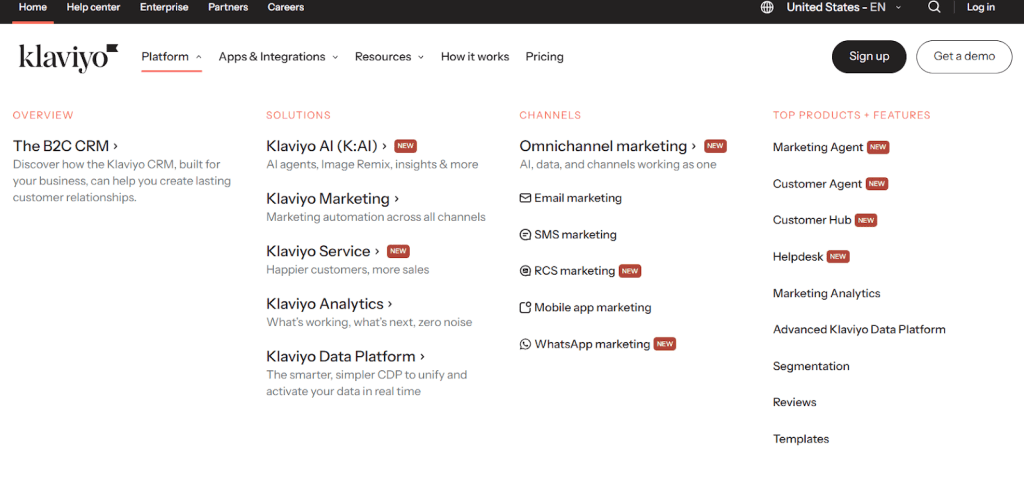
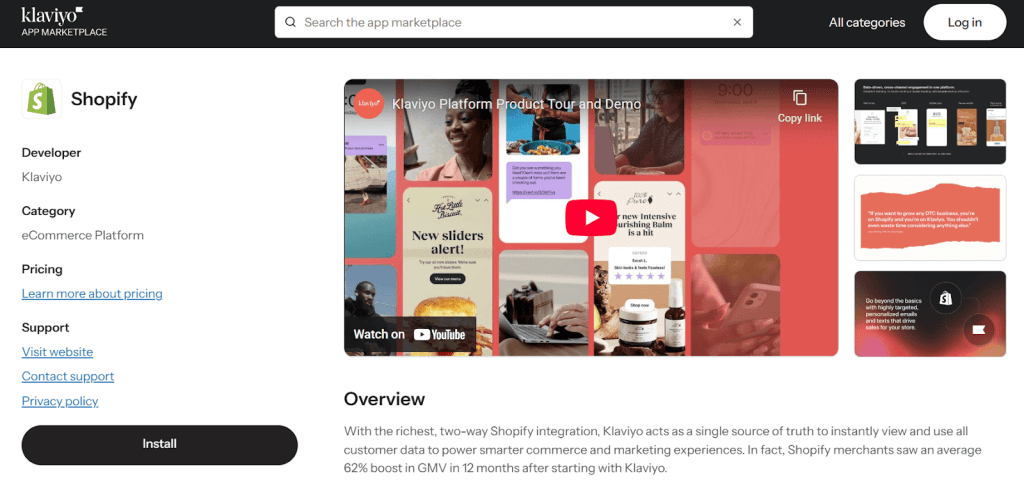
Klaviyo has also gone deep into programmatic SEO, building a massive partner and integration library.

Each integration and partner has its own optimized page, helping them rank for thousands of long-tail queries while strengthening their ecosystem visibility.
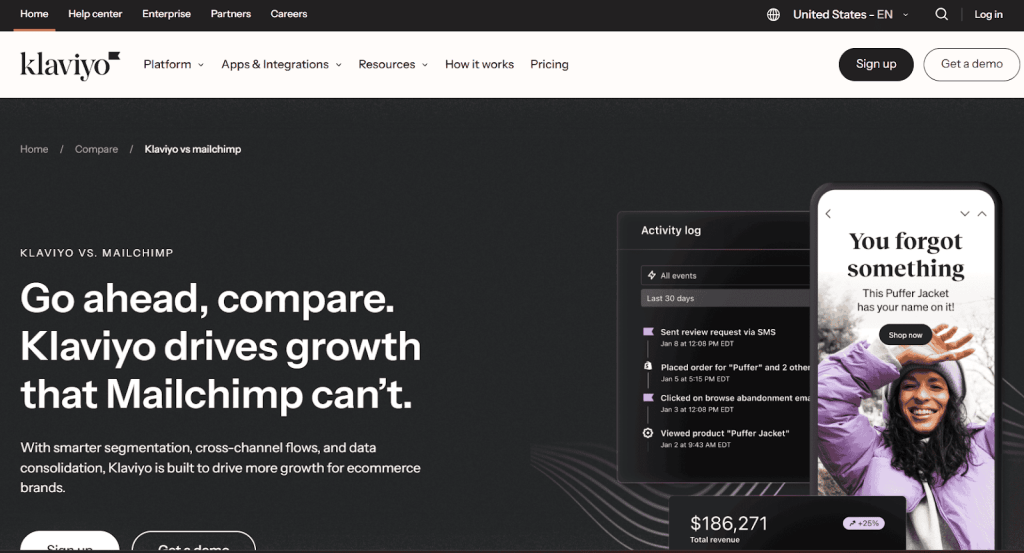
They’ve also nailed the comparison and alternative page strategy. Pages like “Klaviyo vs Mailchimp” capture bottom-funnel search intent, making sure users see Klaviyo at every evaluation stage.
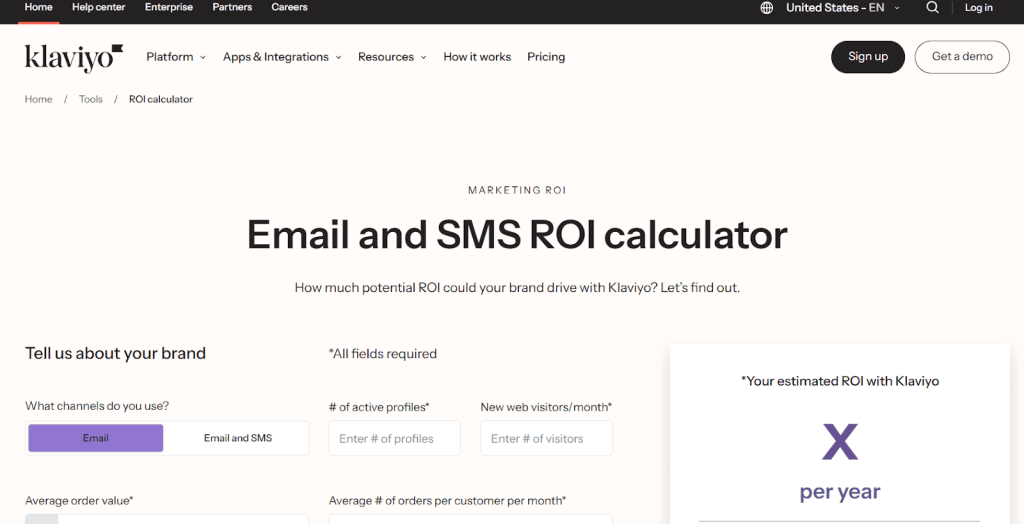
Then comes their ROI Calculator, an interactive tool that lets users estimate potential returns using Klaviyo. The page ranks for conversion-related terms like “email marketing ROI” and attracts users ready to evaluate solutions.
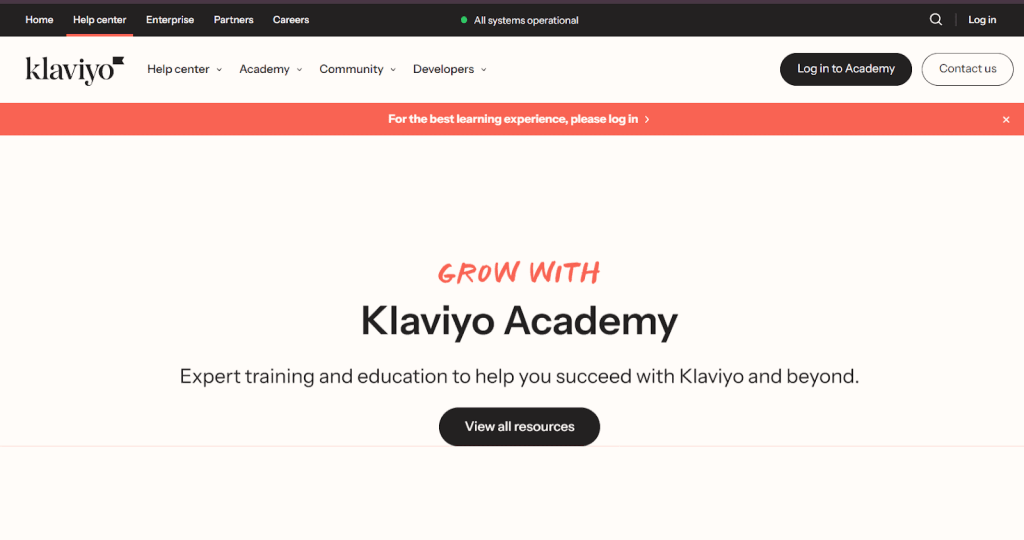
Education is another pillar of their strategy. The Klaviyo Academy features live and recorded sessions, step-by-step guides, and technical lessons, designed to help marketers master automation, segmentation, and data-driven campaigns.
Their community section extends this further, with topic-based discussions, meetups, and local groups that foster peer learning and connection.
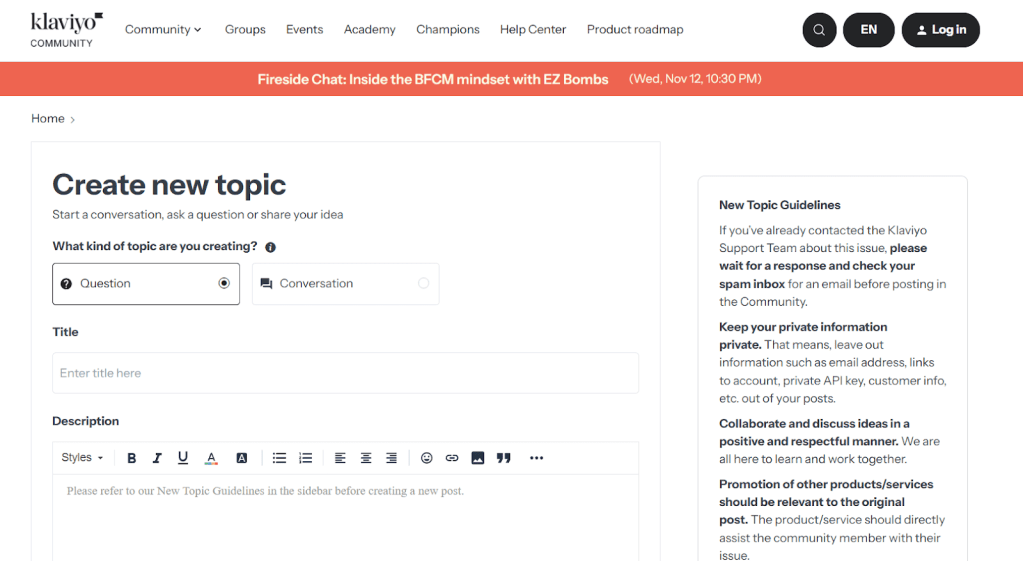
On the blog, Klaviyo focuses on high-value, technical themes, campaign strategy, customer data, analytics, automation, customer acquisition, and developer insights. This mix of marketing and technical content positions them as a go-to resource for both practitioners and developers.

6. Loox
Loox is an app for e-commerce stores that helps businesses collect and showcase product reviews, particularly those with photos and videos, to build social proof and boost sales.
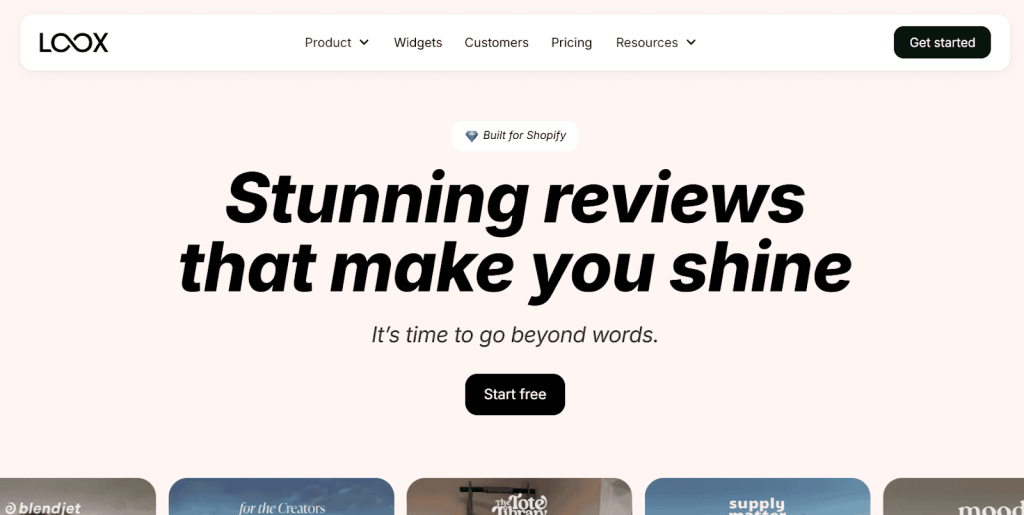
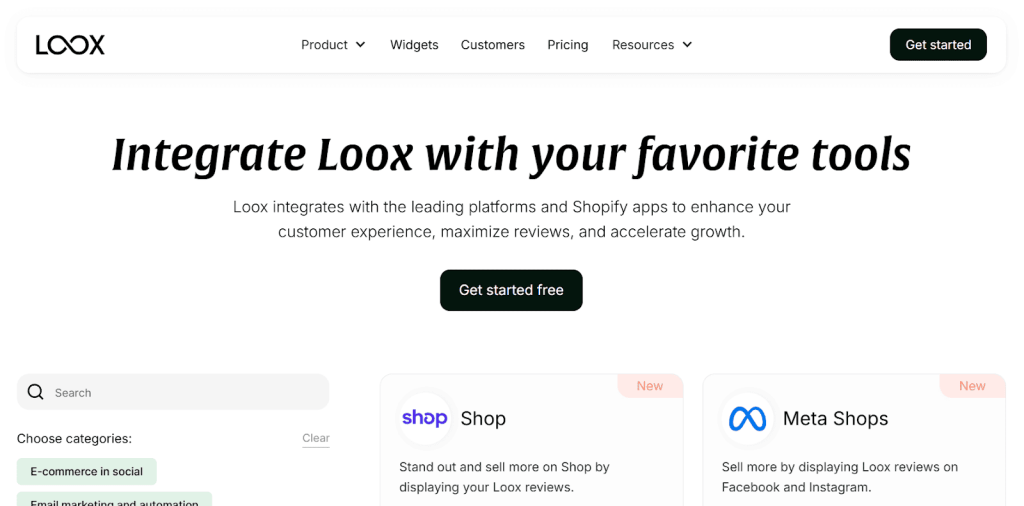
They’ve built a searchable integration directory, with dedicated pages for each tool and platform. This programmatic SEO setup helps Loox to capture long-tail searches and enhance visibility for integration-related queries.
Their widget library targets what their ICP actively searches for: review widgets, photo carousels, and pop-up templates. Each page explains functionality and benefits, driving both discovery and conversion.

The Loox Academy provides short videos, quick tips, and how-to guides that educate users on maximizing product value. Each piece is keyword-optimized, helping the academy’s content rank while supporting user success.

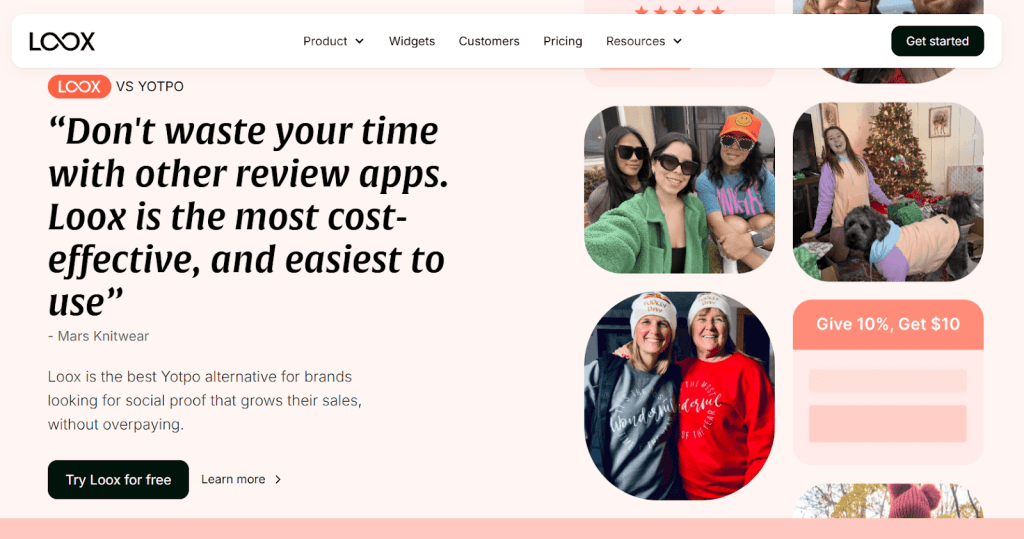
Loox also uses comparison pages to reach bottom-funnel buyers. These pages clearly outline product differences and advantages, helping evaluators make informed decisions.
Their blog focuses mainly on product updates and feature releases, keeping users engaged and up to date.
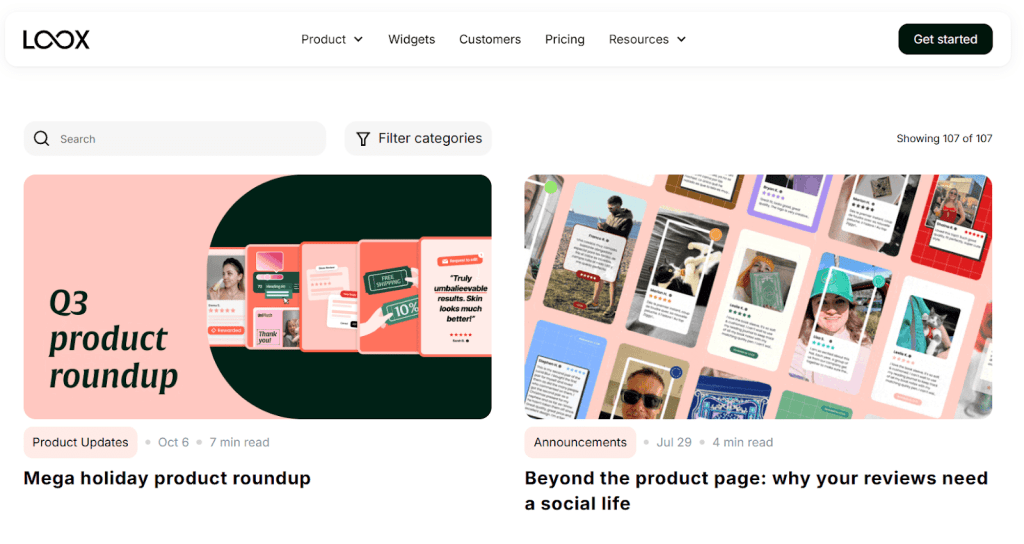
Overall, Loox’s content marketing is built for clarity and performance, while every asset supports visibility, education, and conversion.
7. Growave
Growave offers a full suite of marketing tools for Shopify merchants, including reviews, loyalty programs, wish lists, and social login, all designed to enhance retention and engagement.
Their content marketing is tightly built around visibility and authority.
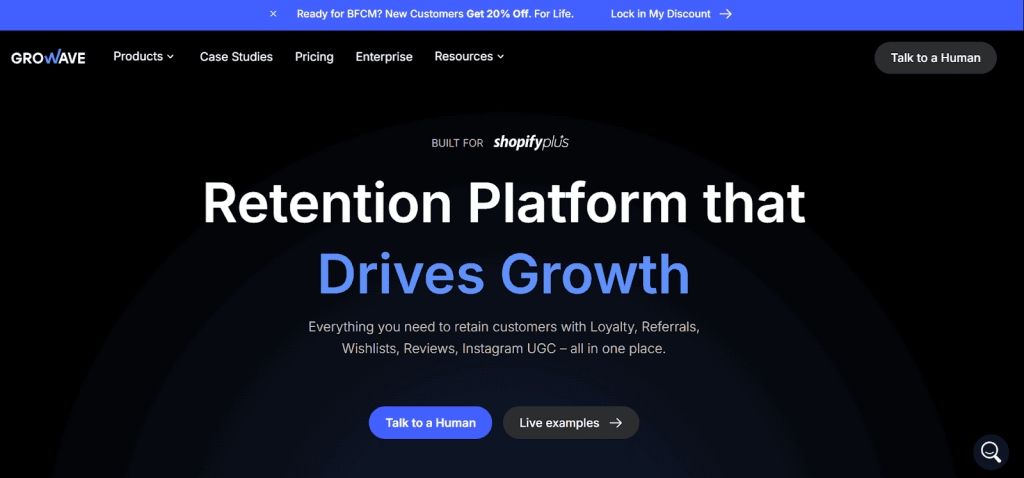
They maintain active listings on major review platforms like G2, Capterra, and the Shopify App Store. These profiles act as powerful off-site SEO assets, driving backlinks, brand mentions, and trust signals that improve their search performance.
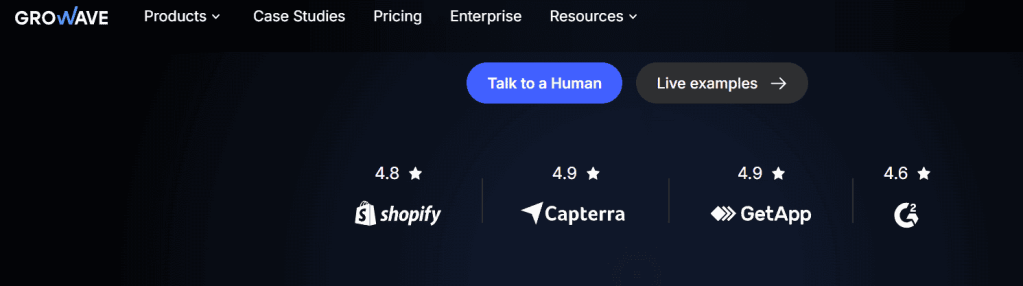
Each product on their site has its own detailed page with clear descriptions, visuals, and use cases. This helps Growave rank for feature-specific searches while guiding potential customers toward conversion.
Their Loyalty Report 2025 is a strong example of data-driven content marketing. It’s filled with insights, statistics, and keyword-rich sections that perform well in search. Reports like these also get referenced by blogs, analysts, and even LLMs, giving Growave valuable citation-based visibility.

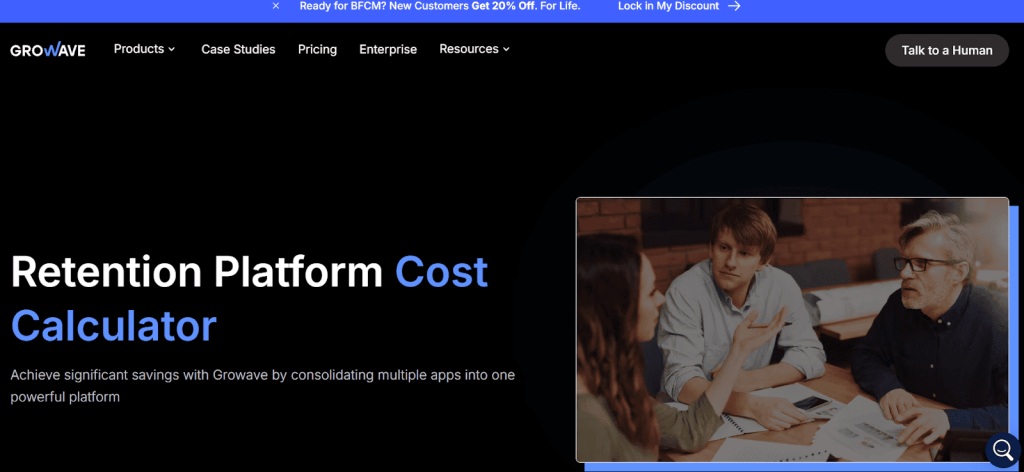
The Retention Platform Cost Calculator is another clever SEO asset. It targets high-intent keywords like “retention cost calculator” and “loyalty ROI,” helping users estimate value while capturing bottom-funnel traffic.
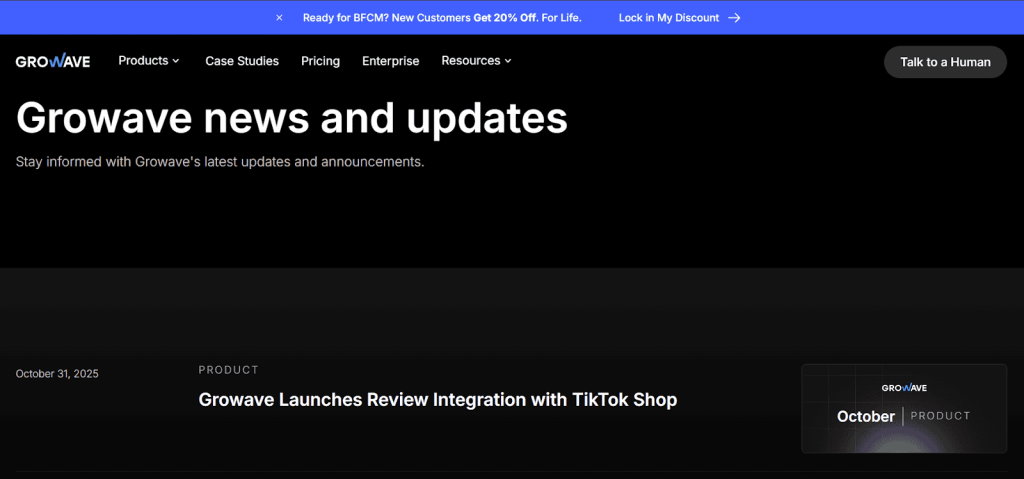
They also have a News section, where all major product updates and company announcements are published. These pages attract both branded and informational queries and help Growave stay relevant for recurring search terms.
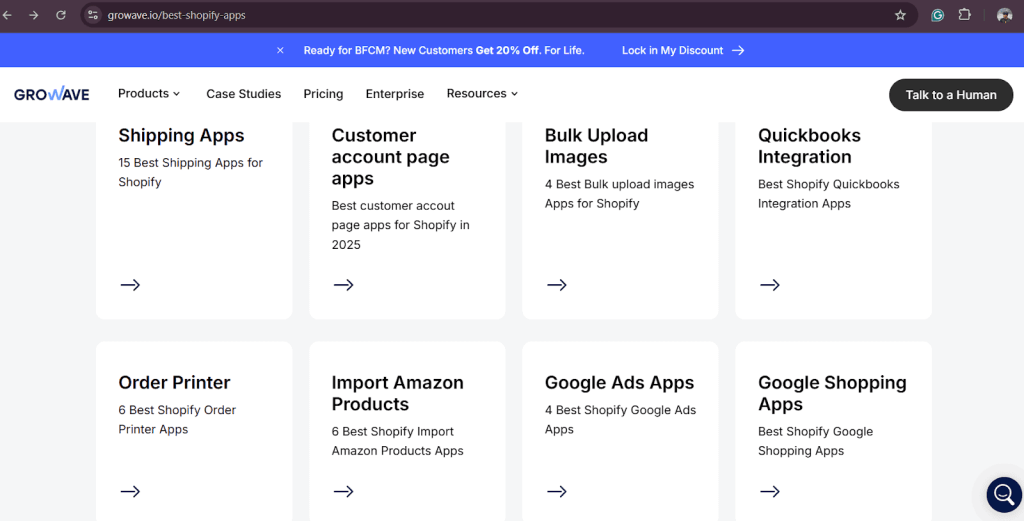
Finally, Growave runs a Best Shopify Apps hub, a programmatic SEO play that lists top apps across categories, with each app linked to its own page. This setup lets Growave rank whenever users search for specific tools within the Shopify ecosystem, capturing traffic even beyond their core audience.
Conclusion
In the competitive eCommerce SaaS landscape, content is the strongest differentiator. The most successful brands use it strategically to educate, build authority, and drive consistent growth.
At Contensify, we’ve spent over a decade helping SaaS companies do exactly that. Our content marketing frameworks are built to attract the right audience, strengthen brand positioning, and drive effective conversions.