Let’s be honest, content marketing in healthtech isn’t easy. You’re trying to turn complex, often technical ideas into something real people can understand and care about. And in a space built on trust and credibility, every word matters.
The best healthtech brands don’t just talk about innovation, they show it through smart, clear, and helpful content. Whether it’s explaining how AI improves patient outcomes or sharing a real story from a care provider, they find ways to make their message both human and credible.
In this blog, we’ll look at some examples of healthtech companies getting content marketing right and what you can learn from them.
Content Marketing Examples from Healthtech Companies
Here’s how some of the leading healthtech brands are using content to stand out, earn trust, and drive real growth:
1. Ro
Ro is a New York–based telehealth company offering digital clinics for men’s and women’s health, dermatology, smoking cessation, and weight loss, blending online consultations with medication delivery.

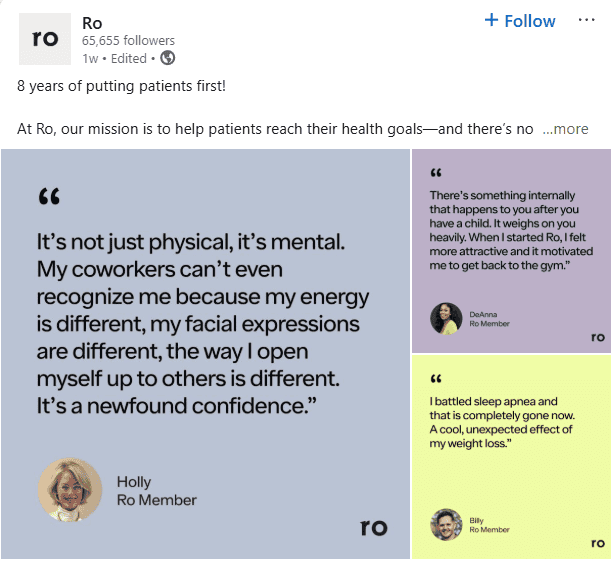
They share real customer testimonials and results across social channels, creating credibility and engagement. This user-driven content improves trust signals and supports search visibility through consistent brand mentions and backlinks.
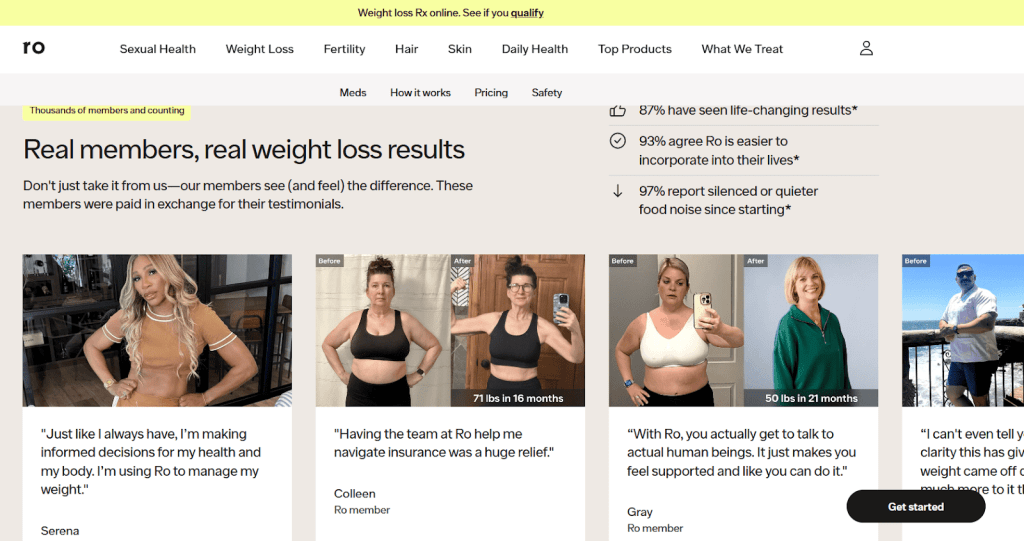
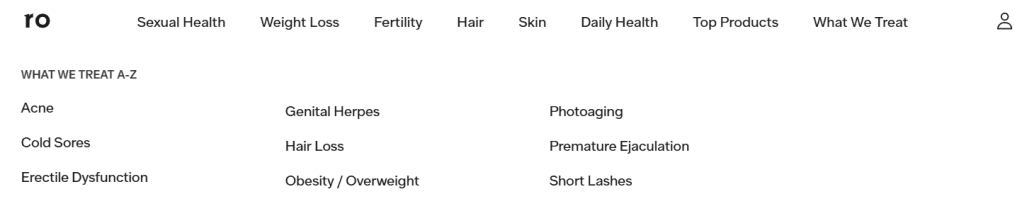
On their website, Ro has dedicated concern-based pages: Sexual Health, Weight Loss, Fertility, Hair, Skin, and Daily Health. Each is keyword-optimized and structured to rank for problem-led searches like “hair loss treatment” or “weight loss help.”

These pages feature timelines, genuine reviews, and expert insights, making them both search-friendly and conversion-focused.
Their product pages explain ingredients, benefits, and usage with clear FAQs. This not only educates users but also improves SEO through long-form, intent-rich content that improves dwell time and authority.

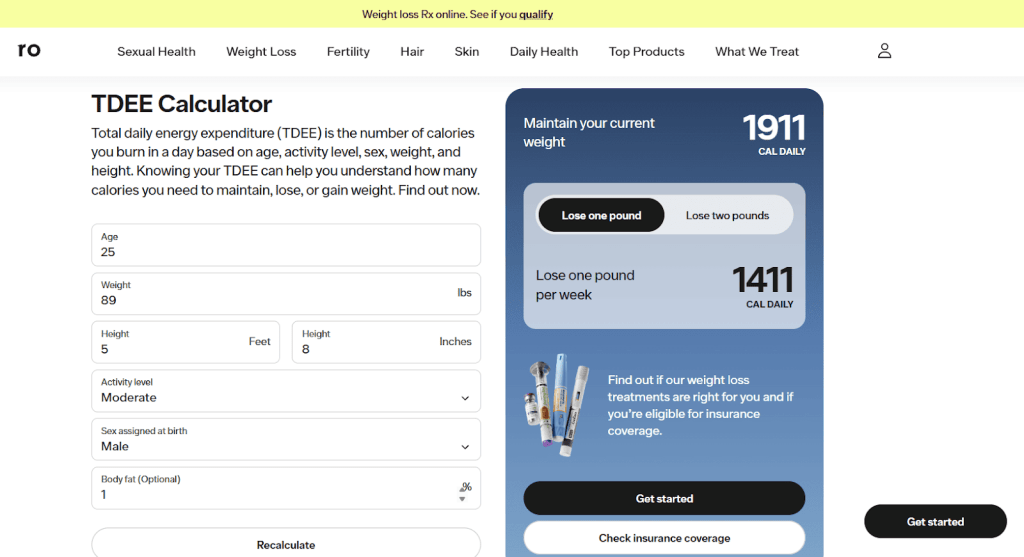
Ro also uses interactive tools, including BMI, BMR, TDEE, and Calorie Deficit Calculators, to attract high-intent users. These tools rank for transactional keywords and feature smart CTAs that guide users to related products.
Their “What We Treat” page captures symptom-based searches, helping users find solutions faster while strengthening topical authority.
On the PR side, features in Forbes, CNBC, Bloomberg, and WSJ build credibility and provide high-quality backlinks that elevate domain strength and organic ranking.

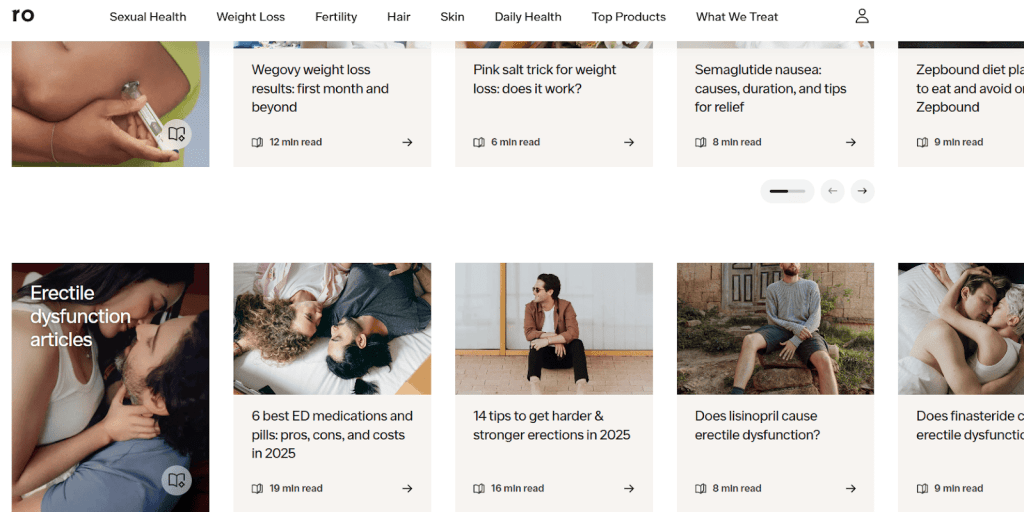
Ro also publishes health guides and myth-busting content to educate users and target long-tail keywords, positioning the brand as a trusted source. Combined with a strong mix of TOFU and BOFU content, their site forms a solid pillar-cluster structure that drives both discovery and conversion.
Even their FAQ sections are optimized with real queries, supporting featured snippets, improving user experience, and visibility.

In short, Ro turns complex health topics into simple, SEO-driven content that builds trust and drives measurable growth.
2. Formation Bio (formerly TrialSpark)
Formation Bio is a healthtech company reinventing drug development by combining biotech innovation with advanced software to accelerate clinical trials.

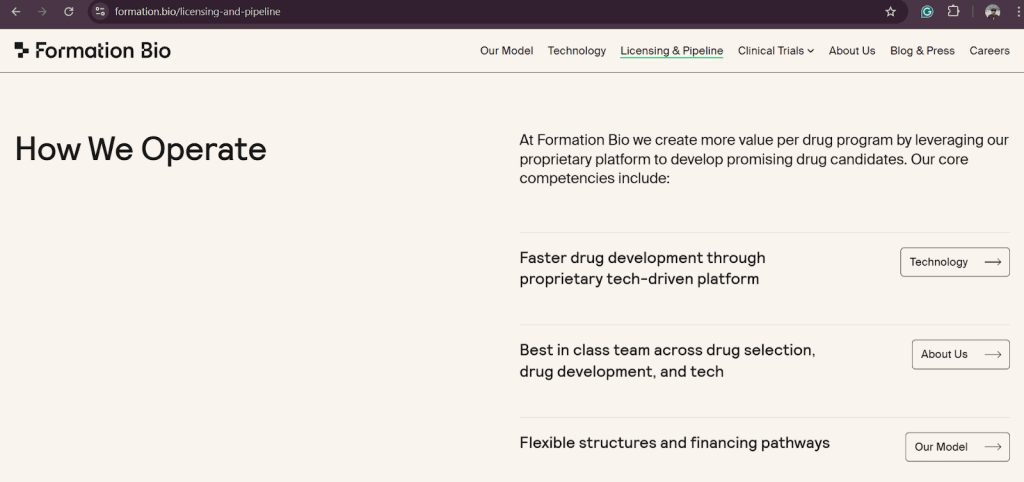
Their website is built for clarity and credibility. Pages like Our Model, Technology, and Licensing & Pipeline explain exactly how their process works and what makes it different, helping visitors quickly understand their offering while improving SEO through clear, keyword-rich content.
They also maintain detailed Clinical Trial pages for Patients, Investigators, and Physicians, each tailored to explain participation, eligibility, and benefits. This structure targets intent-based searches and builds trust among stakeholders.

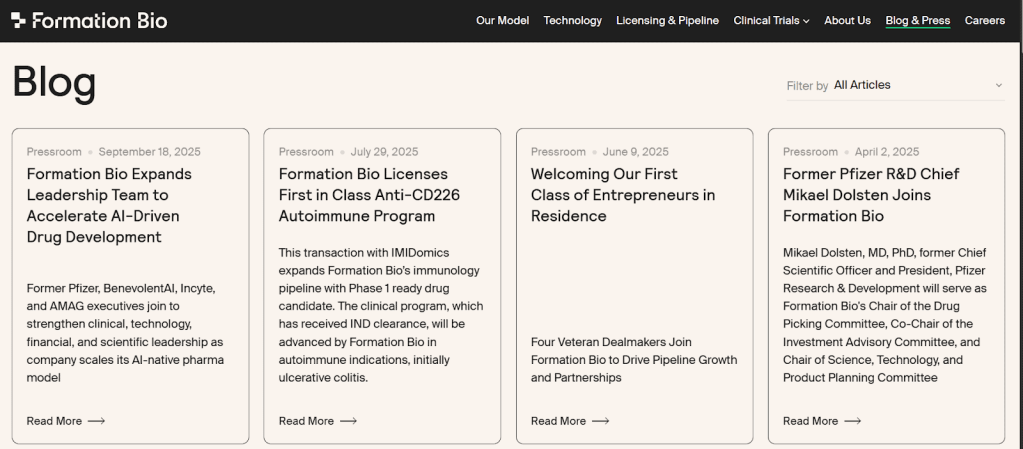
Formation Bio’s PR efforts keep them visible in top-tier publications, strengthening brand authority and generating quality backlinks that boost domain authority and search rankings.
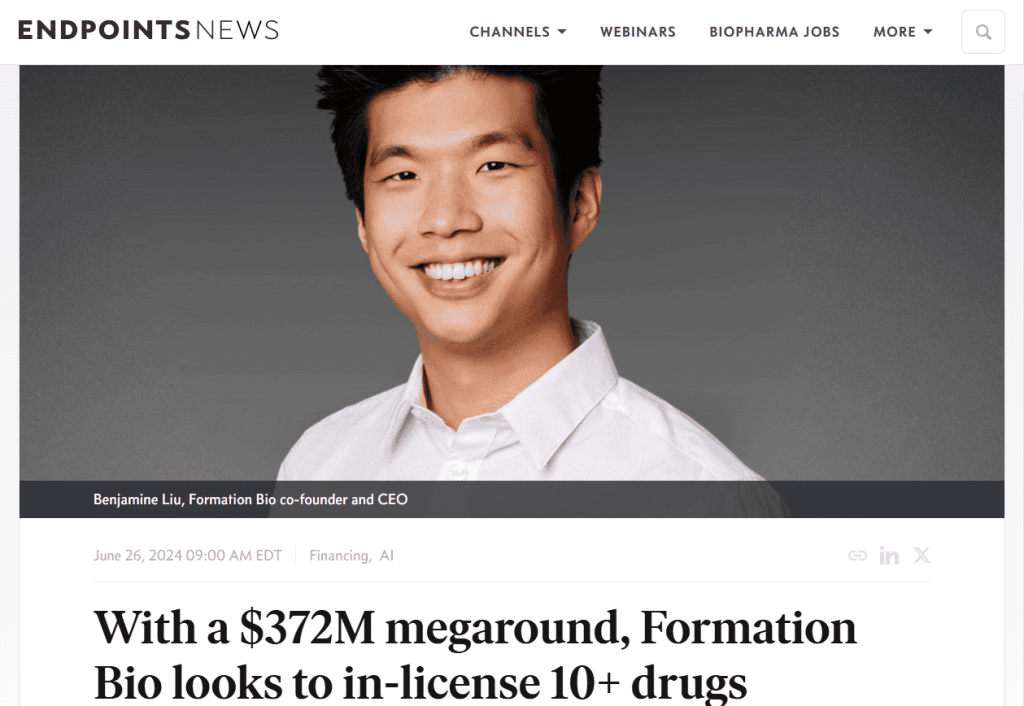
Their blog focuses on their products, technology, and innovation, using industry-relevant keywords to attract professionals and investors while reinforcing thought leadership.
They also use video and founder-led content to simplify complex topics, share company updates, and put a face to the brand.

Combined with events, speaker sessions, and social engagement, this approach turns their content strategy into a dynamic mix of education, authority, and genuine connection.

Overall, Formation Bio’s content strategy blends transparency, expertise, and visibility, making a complex field both understandable and trustworthy.
3. Abridge
Abridge is a Pittsburgh-based healthtech company using AI to turn patient–clinician conversations into accurate medical documentation, helping providers save time and improve care quality. Their site stands out for its clean UI, smooth UX, and fast load speed, all key factors for better SEO and engagement.
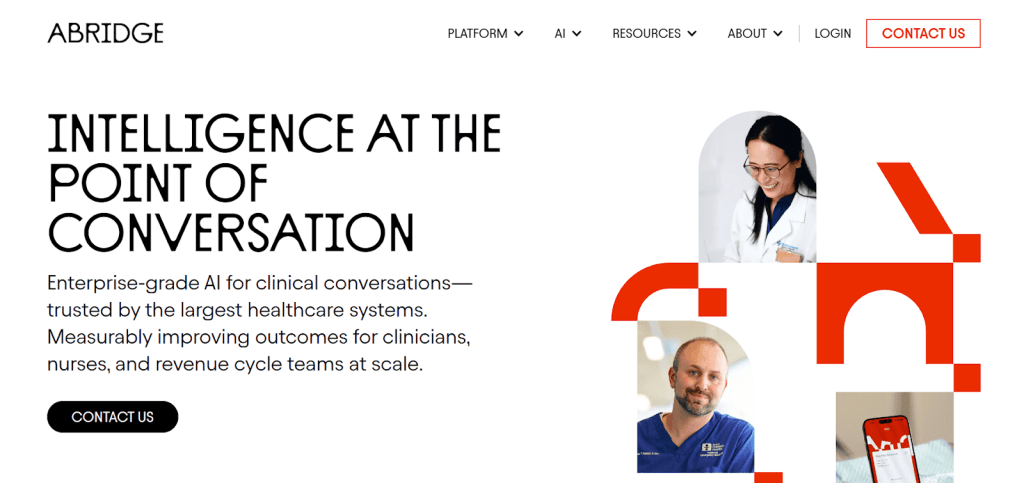
They feature customer pages with press releases and testimonials from healthcare partners, packed with high-intent, problem-focused keywords that help them rank for searches like “AI medical transcription” or “automated clinical notes.”
Abridge maintains a strong PR presence, with coverage in prominent publications like Forbes and Healthcare Dive. These mentions strengthen credibility, build backlinks, and improve domain authority.

Their product pages use short videos and interactive visuals to explain the technology simply and effectively, increasing time on page and conversions.

They also publish reports and whitepapers filled with data, statistics, and clear takeaways, the kind of content frequently cited by AI models and industry publications. These pieces naturally attract organic backlinks from healthcare and tech websites, strengthening their authority, credibility, and overall search visibility.

Through webinars, podcasts, and events, Abridge extends its reach, builds trust, and earns valuable mentions across digital channels, reinforcing both SEO and brand authority.

In short, Abridge blends smart design, expert content, and credibility, turning a technical solution into a clear, discoverable, and trusted brand.
4. Reperio Health
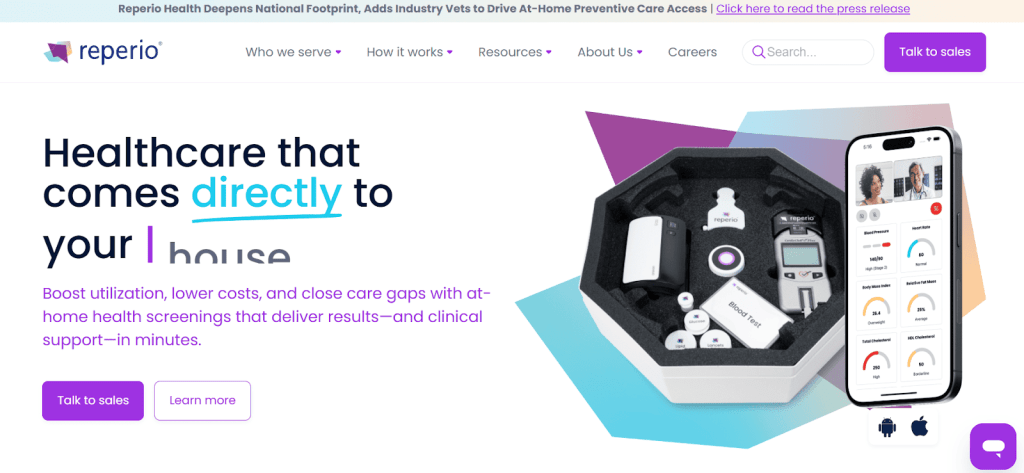
Reperio Health is a Portland-based preventive health company offering at-home biometric screenings and wellness solutions for organizations and individuals.
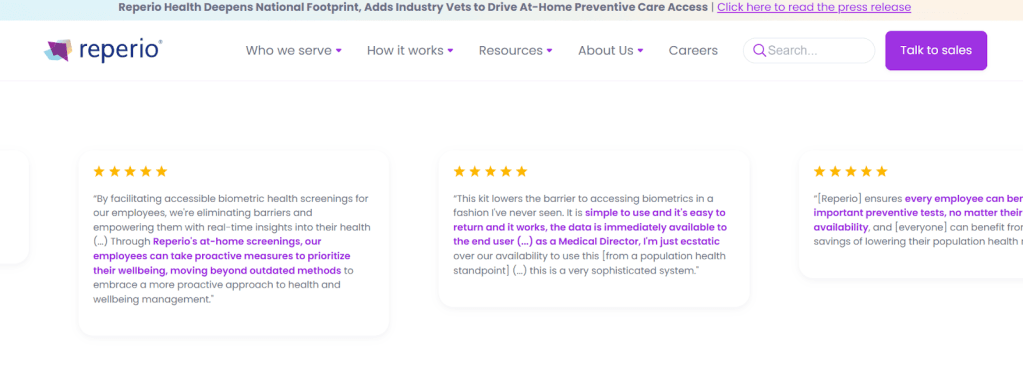
They feature customer reviews right on their homepage, giving both visitors and search engines strong authenticity signals. These reviews improve trust, boost conversions, and improve E-E-A-T for SEO.
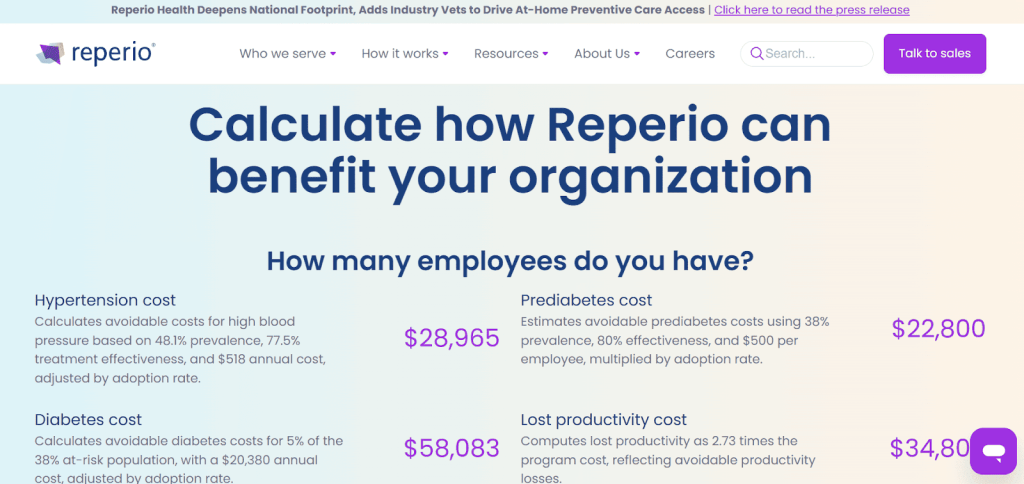
A standout feature is their ROI calculator, designed to attract high-intent visitors and move them down the funnel with clear CTAs linked to their solutions.
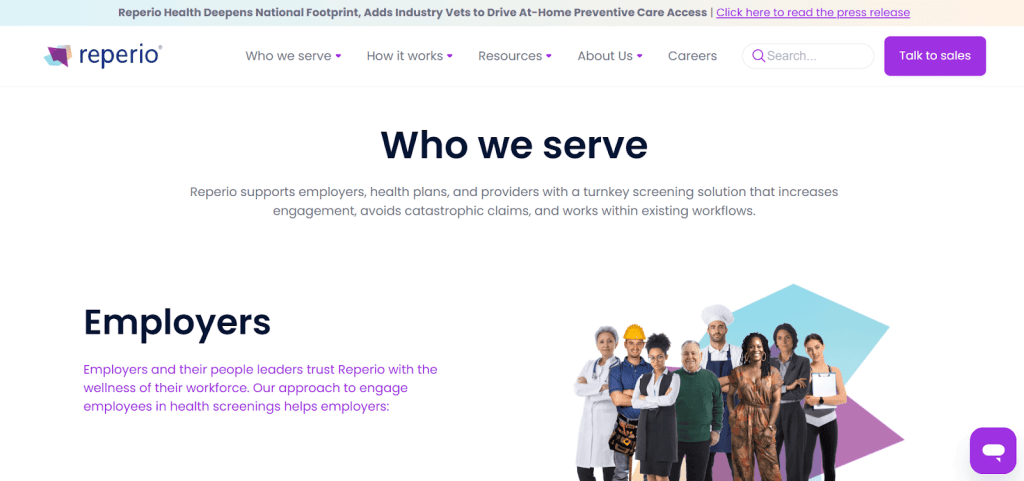
Reperio also structures its site around audience-specific pages like Employers, Health Plans, Providers, and Individuals. These pages target intent-based keywords, making navigation effortless and improving organic visibility.
Their content funnel is clearly defined with interconnected TOFU, MOFU, and BOFU assets. Blogs drive awareness, case studies support consideration, and product pages close the loop, all interlinked to create a seamless path from discovery to conversion.
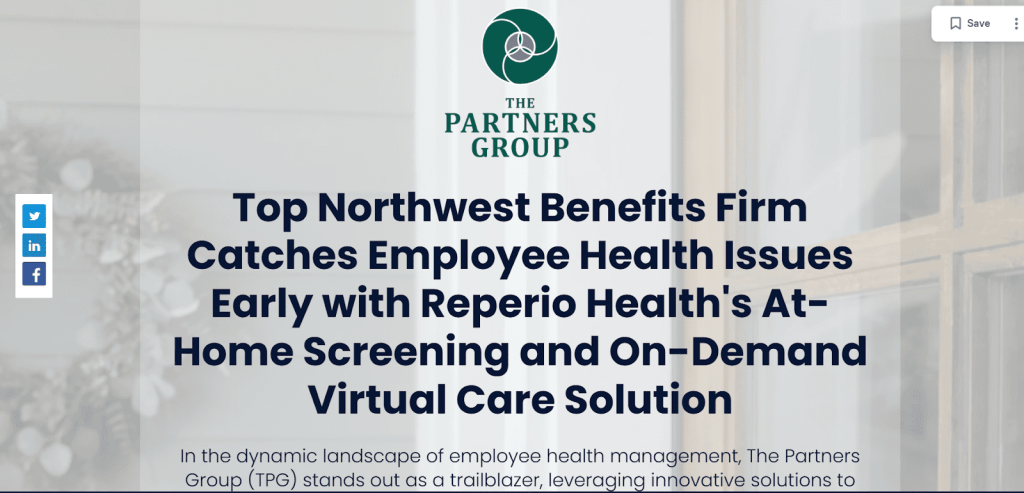
Reperio also maintains an active PR presence with mentions in healthcare and business publications, helping them earn authoritative backlinks and expand brand reach.

Additionally, they leverage healthcare events, corporate booths, and speaking opportunities as part of their content marketing strategy. These activities generate real-world visibility, fresh content for digital channels, and high-quality mentions that further support SEO and brand trust.

In short, Reperio Health combines credibility, structure, and strategy, using every content touchpoint to inform, convert, and strengthen its position in the healthtech space.
5. Headspace Health
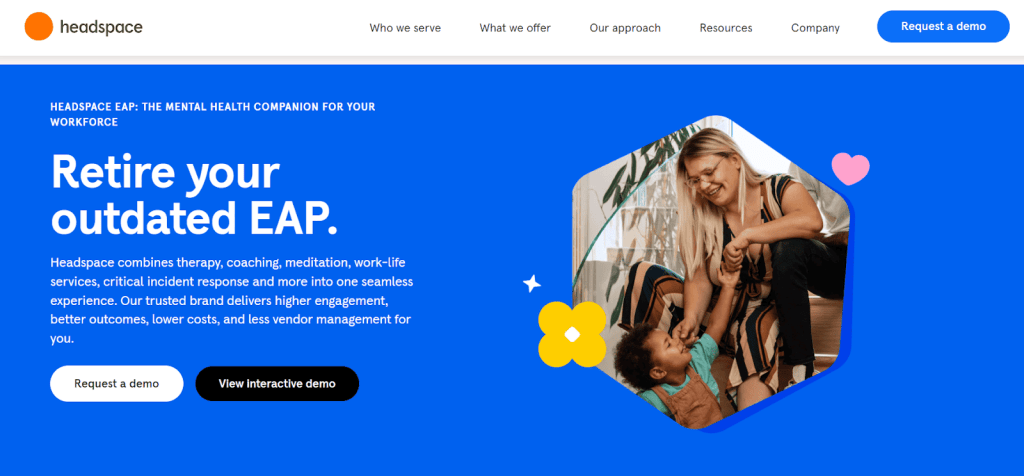
Headspace Health is a leading digital mental health platform that combines mindfulness, therapy, and behavioral health solutions for individuals and organizations. Known for its calm, science-backed approach, it bridges wellness and technology seamlessly.

Their product pages clearly outline features, outcomes, and impact, supported by customer stories and testimonials that build trust and drive conversions.
They produce expert-led blogs, podcasts, and meditation guides that rank high for mental health keywords like “stress management,” “better sleep,” and “anxiety relief.” Each piece of content is optimized for SEO while offering genuine value, helping them own the conversation around workplace and personal wellness.
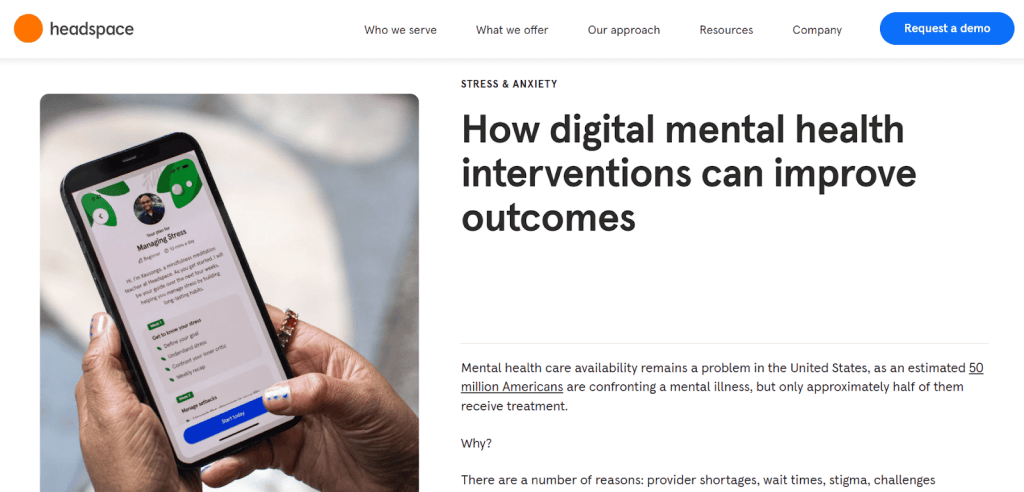
Their case studies and enterprise pages target HR and corporate wellness teams, supported by data-backed outcomes. These pages use social proof and real results to convert B2B leads while maintaining a human-first voice.

They also run a podcast series called Radio Headspace, where mindfulness experts and hosts share short, reflective episodes, reinforcing the brand’s voice, expanding reach, and driving consistent engagement across platforms.
They also publish guides, whitepapers, and research reports packed with data and insights. These are frequently cited by industry publications and AI models, earning backlinks and boosting domain authority.

In short, Headspace Health uses calm, purposeful content to dominate search, strengthen brand equity, and nurture trust in one of the most competitive healthtech categories.
6. Tempus
Tempus is a precision medicine company using AI and data analytics to personalize cancer care. Their content marketing focuses on education, credibility, and thought leadership.
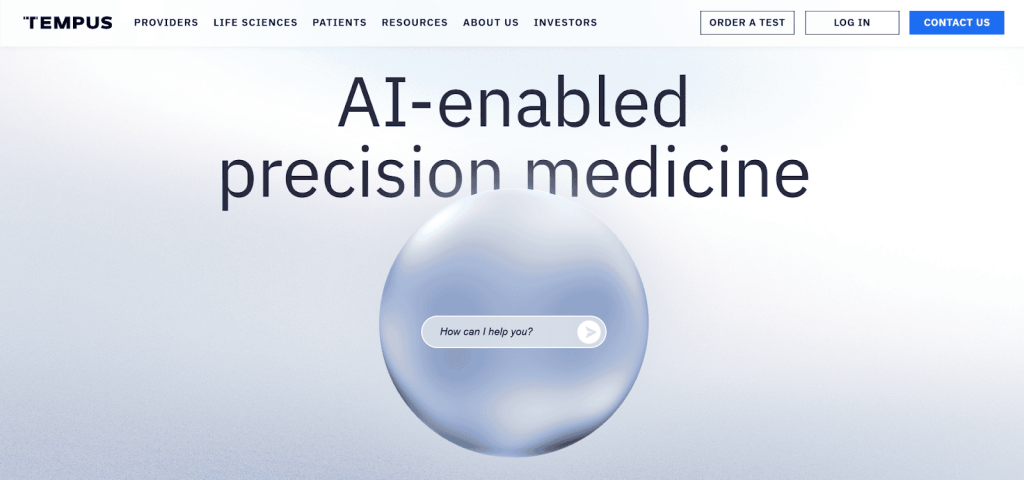
They publish research summaries, case studies, and whitepapers rich with clinical data, content that earns citations, backlinks, and authority within the healthcare and AI ecosystems.

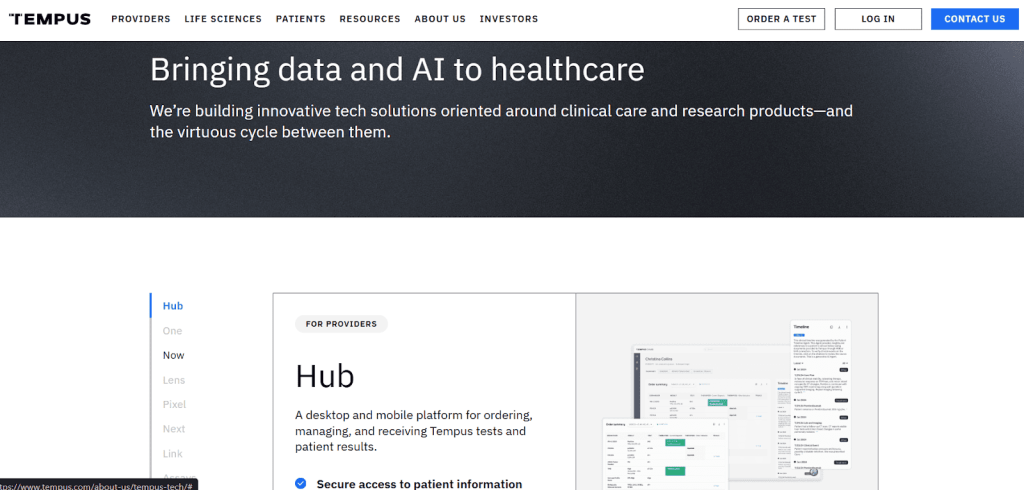
Their product and technology pages are clearly structured and keyword-optimized, helping users, from physicians to researchers, quickly understand their capabilities. Visual storytelling, explainer videos, and interactive diagrams make complex science approachable.
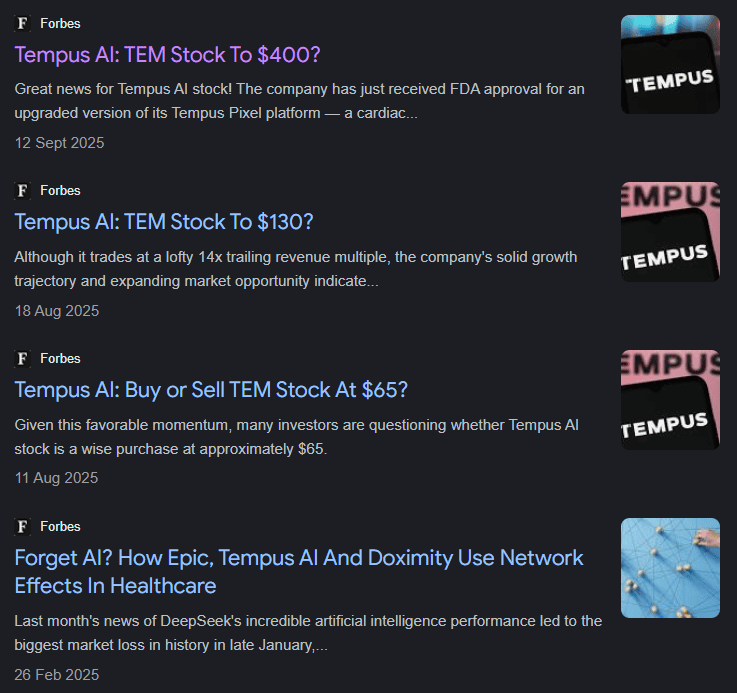
Tempus also drives awareness through PR and media coverage in publications like STAT News, Forbes Health, and TechCrunch, which amplifies trust and search visibility.
They extend their strategy with industry events, webinars, and expert panels, turning thought leadership into discoverable, SEO-friendly assets across digital channels.
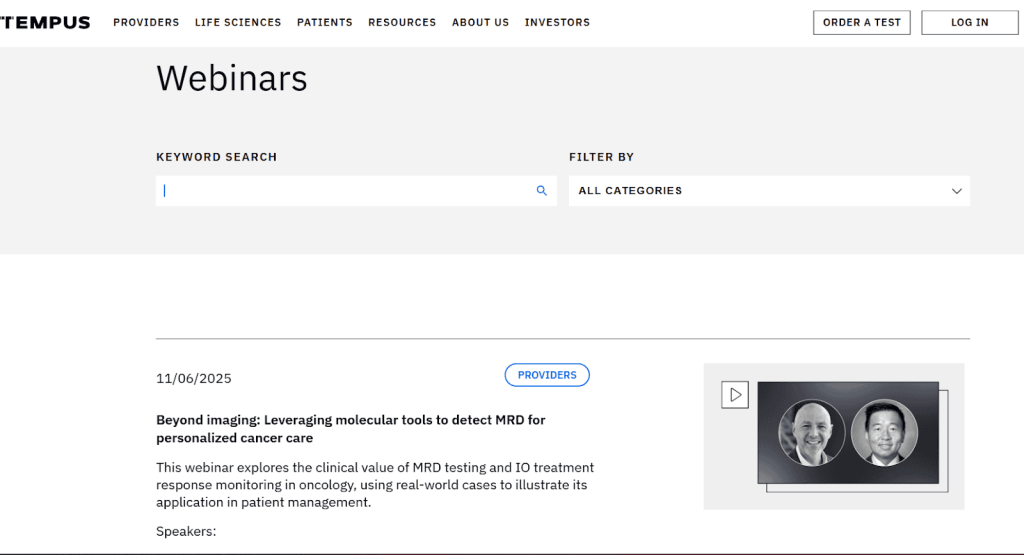
Overall, Tempus’s content strategy turns data-driven innovation into accessible, credible storytelling.
7. Zocdoc
Zocdoc is a New York–based digital health platform that helps patients find doctors, book appointments, and access care seamlessly.
Their homepage also features a built-in local dentist and doctor finder, allowing users to search by specialty and ZIP code. This tool improves user experience and gives Zocdoc a massive edge in local SEO, helping them rank for high-intent, location-based searches like “dentist near me” or “primary care doctor in [city].”

Their website and blog focus on everyday health concerns and practical advice, from “how to prepare for your first dermatology visit” to “questions to ask your therapist.” These pieces target long-tail, intent-based keywords, driving steady organic traffic from individuals actively seeking care.

Zocdoc’s Doctor and Specialist pages double as SEO assets, each optimized with relevant keywords, locations, and reviews. These not only rank well for local and specialty-based searches but also help patients make informed choices faster.

Their “Patient Stories” section brings real experiences forward, adding authenticity and improving engagement metrics like dwell time and return visits.

Zocdoc also publishes industry reports and insights around patient behavior, healthcare access, and digital booking trends. These data-driven resources are widely cited by media outlets and healthcare organizations, earning backlinks and reinforcing domain authority.

Their social content blends education with relatability, bite-sized health tips, explainer videos, and light humor that keep engagement high across platforms.

Through PR features, webinars, and partnerships with health influencers, Zocdoc extends its visibility and strengthens its position as both a patient resource and a thought leader in digital health access.
Conclusion
Healthtech brands succeed when their content builds trust, conveys information clearly, and inspires action, not just clicks.
The examples above demonstrate that a strong SEO foundation and purposeful storytelling can turn complex solutions into compelling messages that drive conversions.
At Contensify, we’ve spent over a decade helping healthtech and SaaS companies do exactly that, creating SEO-backed content strategies that bring in qualified traffic, generate leads, and build lasting authority.