Content marketing has become a powerful growth engine for HR tech companies. In a crowded market where products often sound the same, it’s the stories, insights, and thought leadership behind those products that make people stop and pay attention.
Today’s HR buyers don’t just want software; they want guidance. They want to hear from brands that understand their challenges, speak their language, and offer real value before a sales pitch even happens.
That’s where smart content marketing comes in. From data-driven reports to relatable storytelling and interactive tools, some HR tech brands are setting new benchmarks in how they attract, educate, and engage audiences.
In this blog, we’ll look at some of the best examples of content marketing in the HR tech space and what makes them work.
Content Marketing Breakdown of HR Tech Companies
Here are some of the best content marketing examples from leading HR tech brands:
1. ZenAdmin
ZenAdmin is an IT and HR operations platform that helps companies manage devices, automate onboarding, and stay compliant from one place.
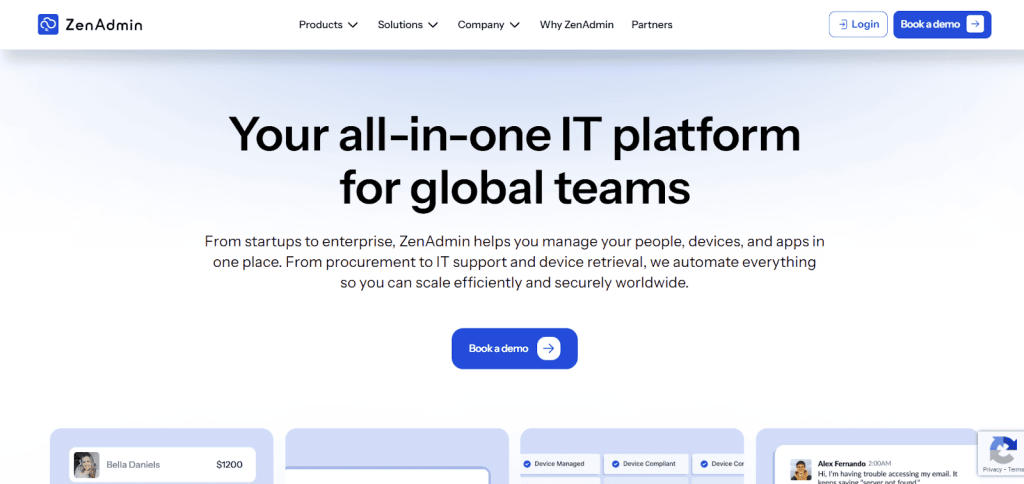
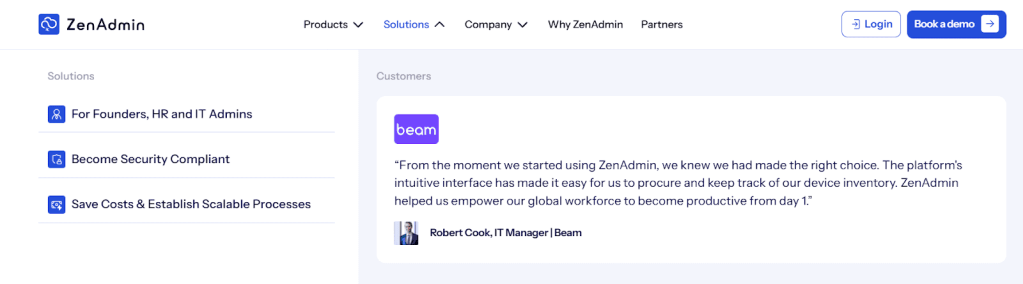
Their website is well-structured, with a clear product split between ZEN IT and ZEN Core. Each page has real screenshots, strong feature explanations, and subtle CTAs that nudge users toward sign-ups or demos.
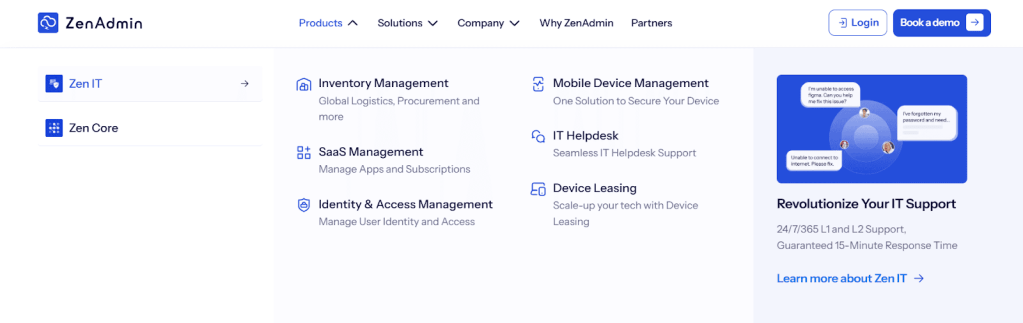
The Solutions section is also smartly divided, for Founders, HR & IT Admins, Security Compliance, and Cost Optimization, each page targeting a specific intent and keyword set.
ZenAdmin’s content strategy relies heavily on listicle-style blogs, such as:
- 10 Best Alternatives to Firstbase in 2025
- 8 Best Alternatives to Snipe IT in 2025
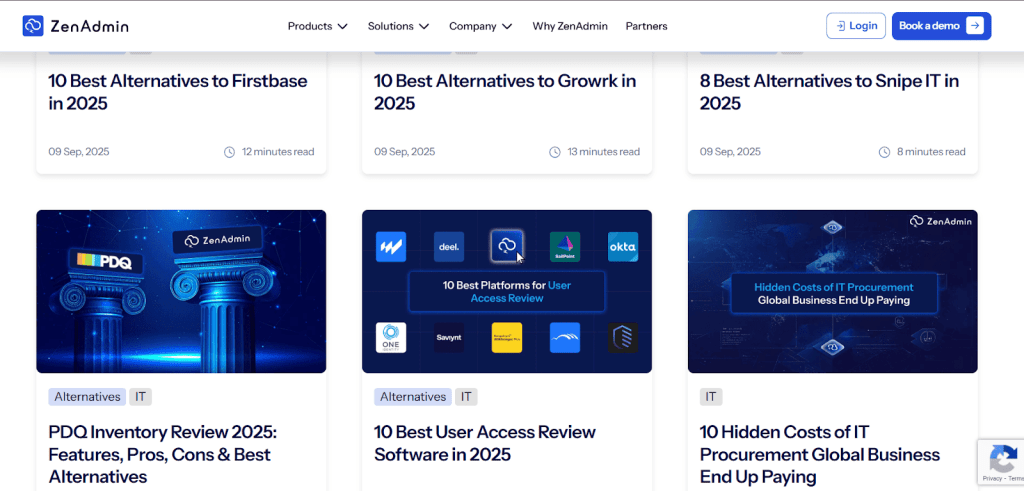
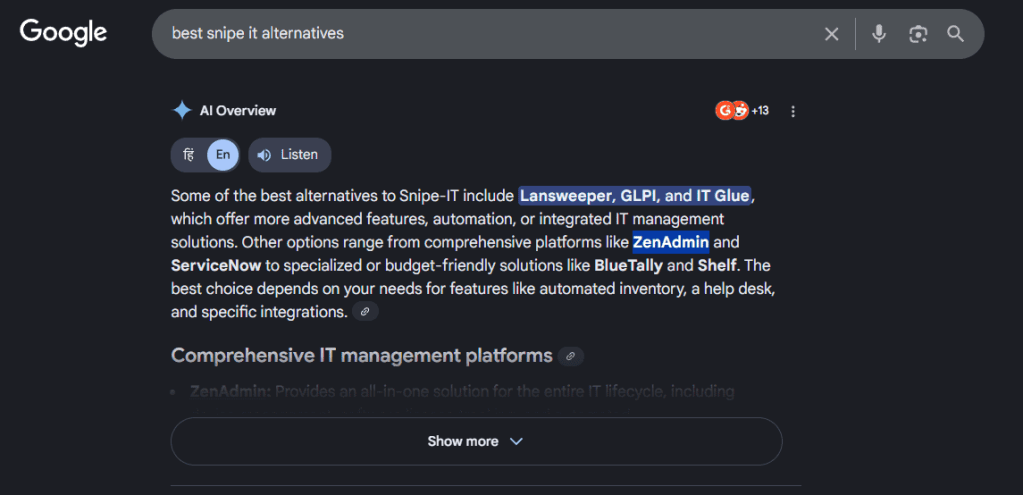
These posts are keyword-optimized, structured with TL; DRs, and often cited in Google’s AI overviews, AI tools and GPT models, demonstrating strong content quality and visibility.
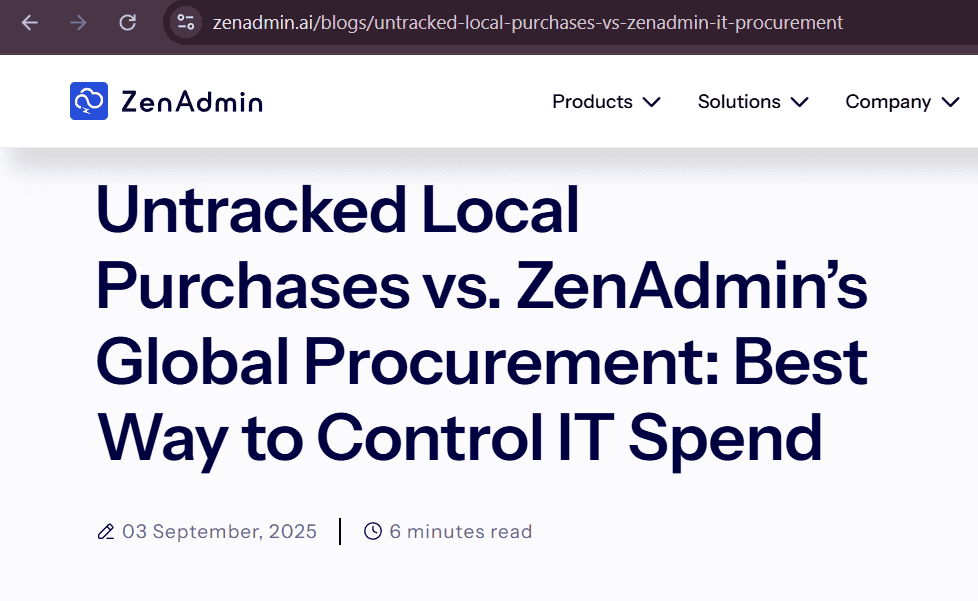
Their comparison pages, such as Untracked Local Purchases vs. ZenAdmin, capture “vs” and “alternative” searches, key for bottom-funnel SEO.
What sets them apart is distribution. ZenAdmin actively shares and repurposes content across Medium, Reddit, and Quora, building authority and backlinks outside traditional channels.

Overall, their mix of optimized alternatives pages, clear site structure, and multi-platform presence gives them a strong SEO and content marketing edge, balancing discoverability, credibility, and conversions.
2. PayFit
PayFit is a payroll and HR platform for SMEs across the UK and Europe. Their content strategy is centered on education, trust, and achieving steady organic visibility.

The Salary Calculator is their strongest asset, an interactive tool updated with current tax and pension rules. It ranks for high-intent searches like “UK salary calculator” and drives consistent traffic while naturally leading users to demo CTAs.

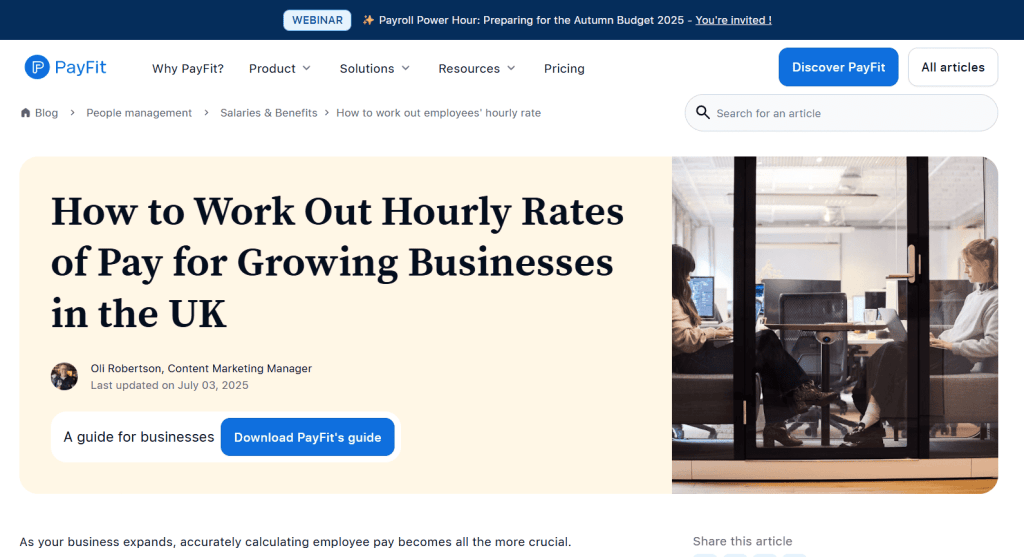
Their blog focuses on evergreen, search-driven topics such as “how to calculate weekly pay” or “how to work out hourly rates.” These posts are structured for featured snippets and AI visibility, simple, keyword-rich, and helpful.
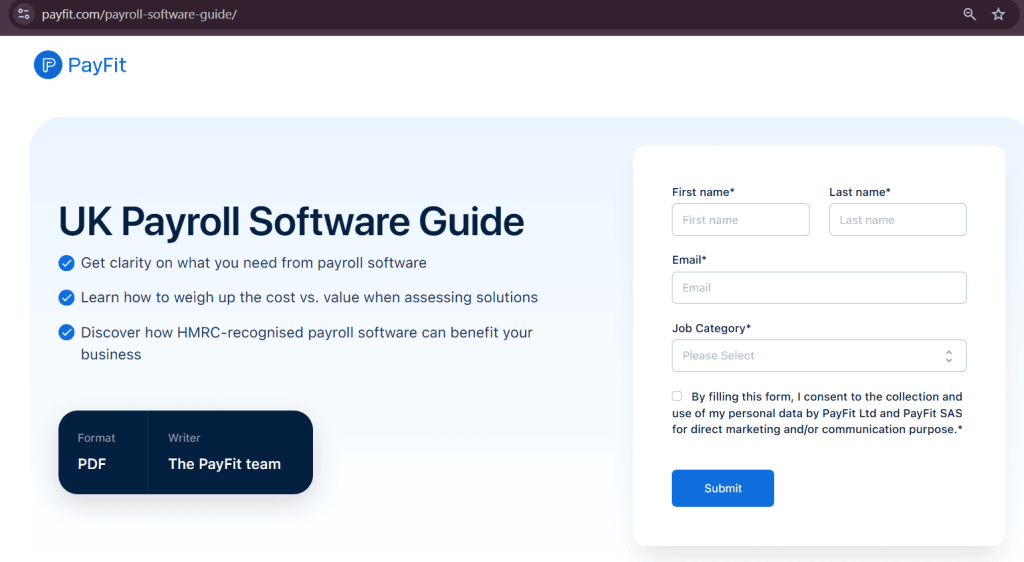
PayFit also uses downloadable guides like the “UK Payroll Software Guide” to capture leads and build topical authority. Combined with internal linking from blogs to guides to product pages, this forms a clean SEO funnel.
They host webinars and events around payroll and compliance updates, content that positions them as experts while creating reusable video assets for social and on-site use.

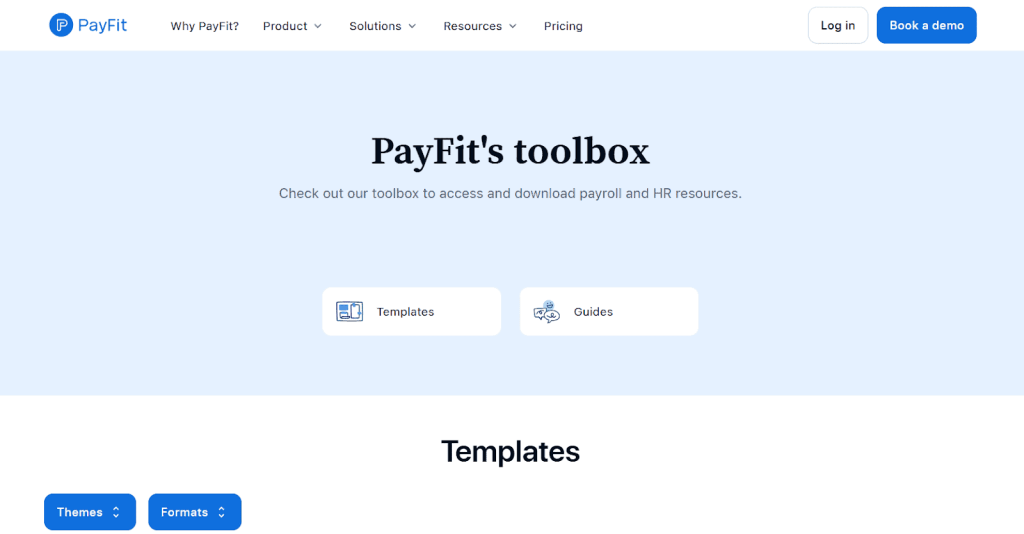
A resource toolbox with templates and letters adds practical value and attracts backlinks. The UX across these assets is consistent, with clear CTAs, readable layouts, and smooth navigation that keeps users engaged.
PayFit’s focus on educational tools, localized guides, and structured SEO creates a steady, compounding content engine that builds trust, drives qualified traffic, and strengthens search authority over time.
3. Ashby
Ashby is a recruiting platform that combines ATS, CRM, scheduling, and analytics in one system, built for growing teams that want a unified hiring workflow.
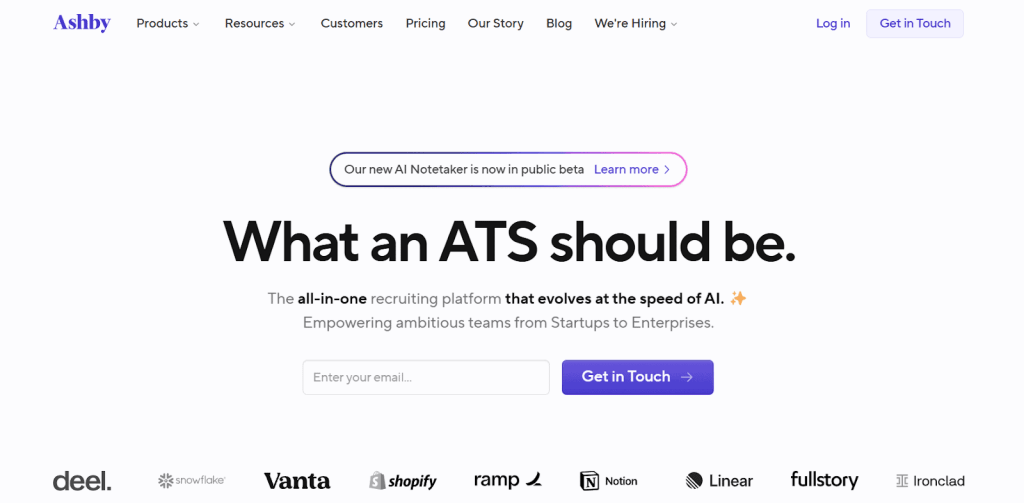
Each product page focuses on specific workflows like sourcing, scheduling, and reporting. The copy is concise, visuals are clean, and CTAs are contextually placed, creating a strong user flow from awareness to demo.
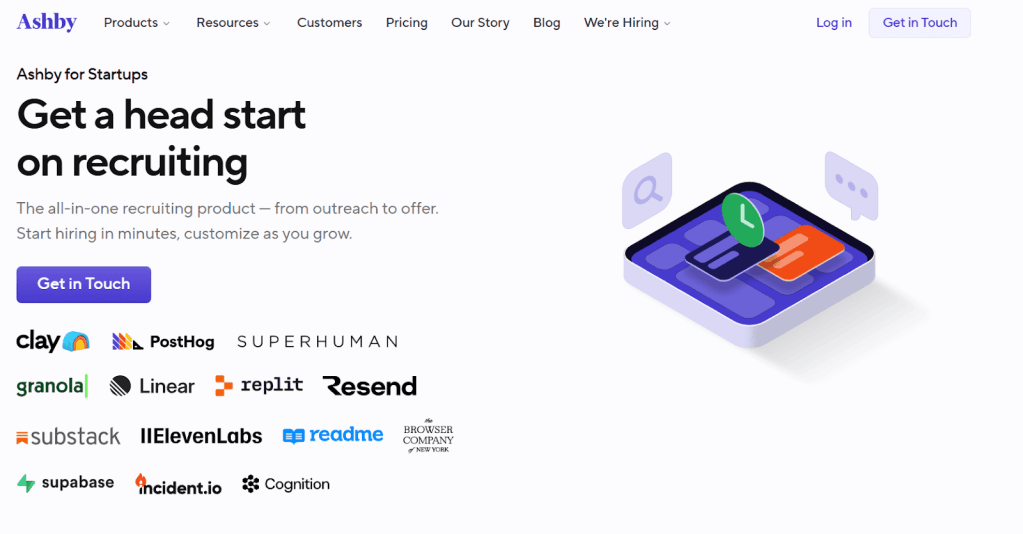
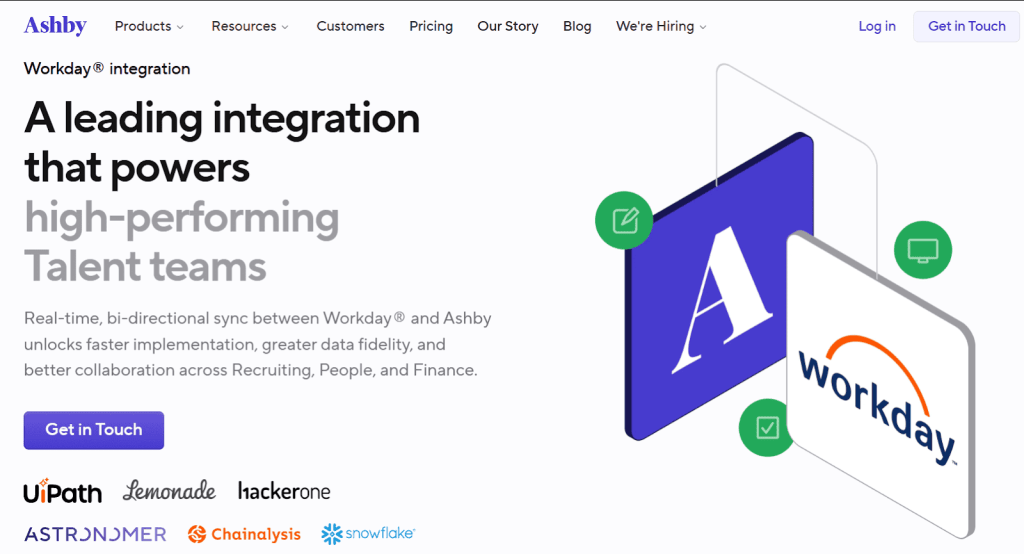
The Integration page is a key SEO win. It’s built like a directory, targeting long-tail queries such as “Ashby Greenhouse integration” or “Workday integration.”
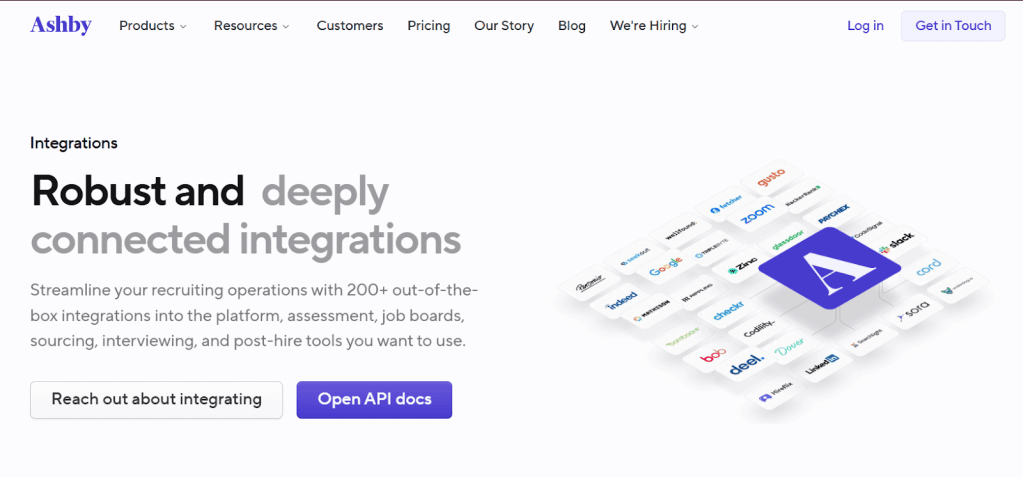
Each listing explains value, setup, and use cases, helping Ashby capture high-intent searches while strengthening internal linking and topical authority.
Their Comparison pages, like Ashby vs Greenhouse, are well-optimized for BOFU traffic. These pages outline differences in features, analytics, and usability, giving users clear decision points. From an SEO standpoint, they rank for “vs” and “alternatives” keywords that signal strong purchase intent.

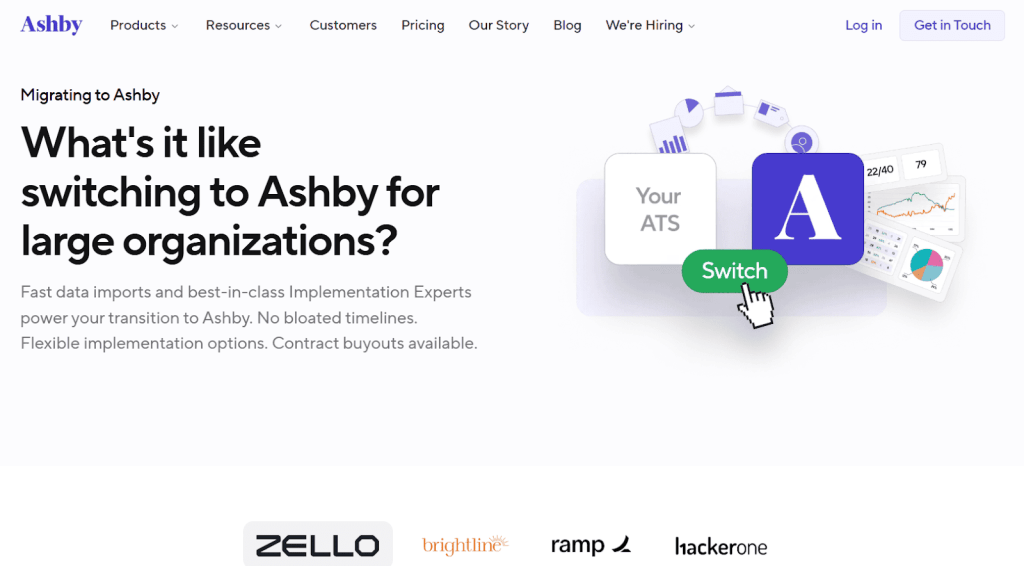
Ashby also has a dedicated Migration page that reduces friction for prospects switching from other ATS platforms by clearly outlining steps, timelines, and support processes. This reassures buyers and ranks for “migrate from <tool> to Ashby” queries.
Their Product Updates page is regularly updated, releasing new content signals for search engines while demonstrating transparency and product momentum, something prospects actively look for in B2B SaaS.

The blog focuses on hiring analytics, interview calibration, and operational efficiency, topics that appeal to recruiting leaders and hiring managers. Posts are keyword-optimized but still conversational, making them ideal for snippets and AI-generated summaries.
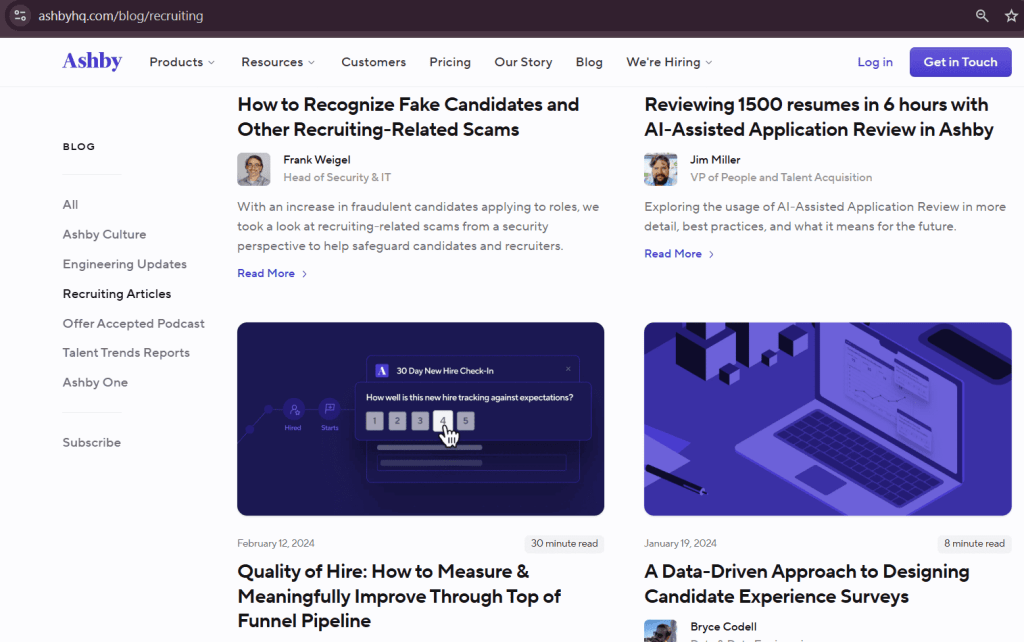
Ashby’s webinars and videos extend content life. Recorded demos and educational sessions are repurposed into shorter clips and embedded within related blog posts, building a strong content loop that reinforces expertise.

Overall, Ashby combines comparison and migration content for bottom-funnel visibility, integration pages for keyword expansion, and product updates for freshness and credibility.
4. Metaview
Metaview is an AI-powered interview intelligence platform that records, transcribes, and summarizes interviews, helping hiring teams make faster, data-driven decisions.

Their product pages are workflow-led and visually clear, walking users through the process of recording, summarizing, and syncing interviews. Real product screenshots, short copy, and contextual CTAs keep visitors engaged and make it easy to see value instantly.
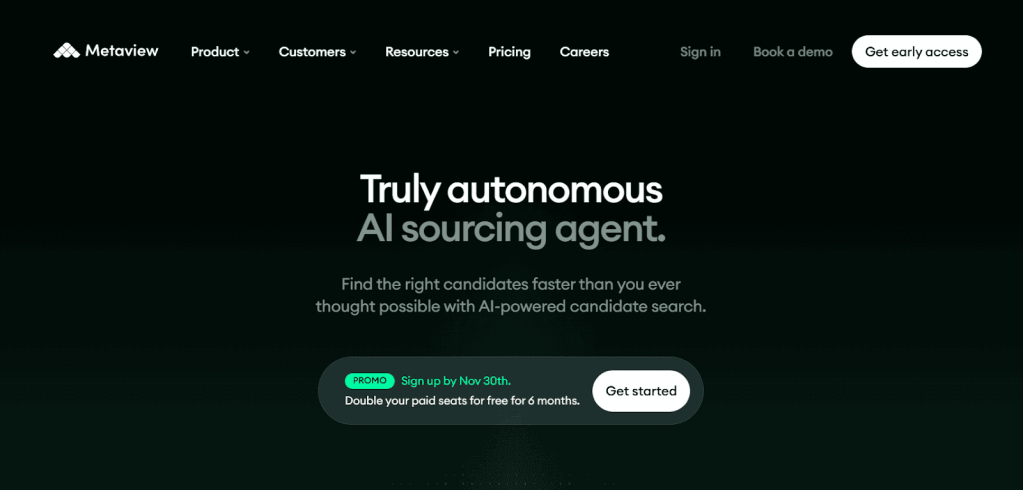
The Integrations page is a strong SEO asset. It lists tools like Greenhouse, Lever, and Zoom, optimized for long-tail searches such as “Metaview Greenhouse integration” or “Zoom interview transcription.”

Each page connects back to product use cases, helping capture mid-funnel intent and build topical authority.

Comparison pages like Metaview vs [Competitor] and “Best Interview Intelligence Tools” are built for bottom-funnel visibility.

They focus on practical differentiators, like transcript accuracy, ATS syncing, data privacy, and ease of use, helping Metaview rank for “vs” and “alternatives” searches while addressing key buyer concerns.

They use product updates to reinforce credibility with frequent releases and visible innovation. Regular updates show product momentum and signal freshness to search engines, increasing recrawl and trust metrics.
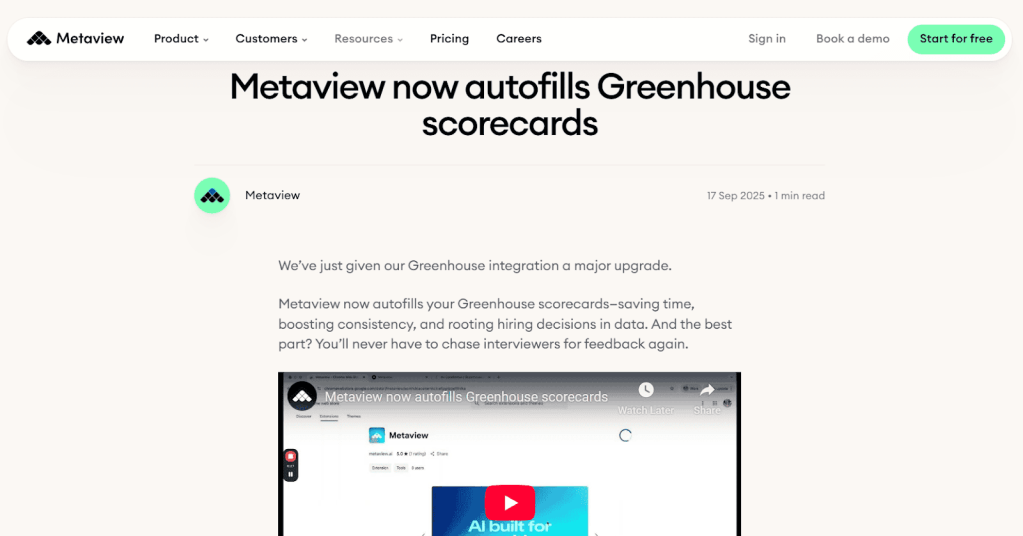
Their blog focuses on topics that attract recruiters, HR leaders, and hiring managers. These posts are well-structured for featured snippets and internal linking, naturally connecting readers to relevant product features.

Metaview’s content is rounded out with resources like interview insights and question banks, plus live events that showcase the platform’s impact.
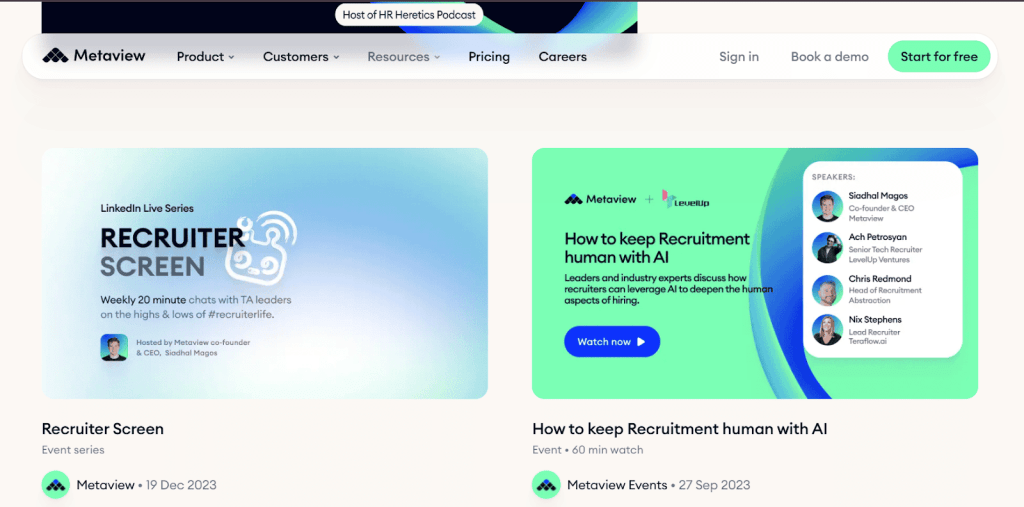
Metaview’s focus on integration directories, comparison, and blog content, along with ongoing product updates, builds steady SEO momentum and buyer trust, turning search visibility into qualified, conversion-ready traffic.
5. Humaans
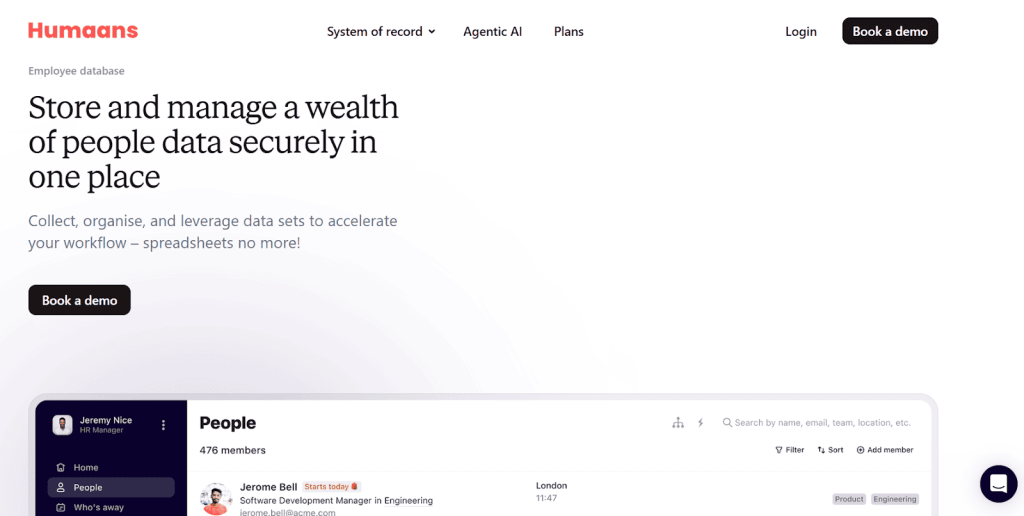
Humaans is an all-in-one HR platform built for modern, fast-scaling teams. Their content and site structure reflect a clear focus on depth, transparency, and thought leadership—positioning them as both a product and knowledge hub in HR tech.
Their features page cover every core HR workflow employee database, workflow automation, compensation, analytics, and more.
The AI-focused pages capture early demand for HR + AI topics. They balance education with product positioning, improving visibility for emerging search terms and reinforcing innovation messaging.

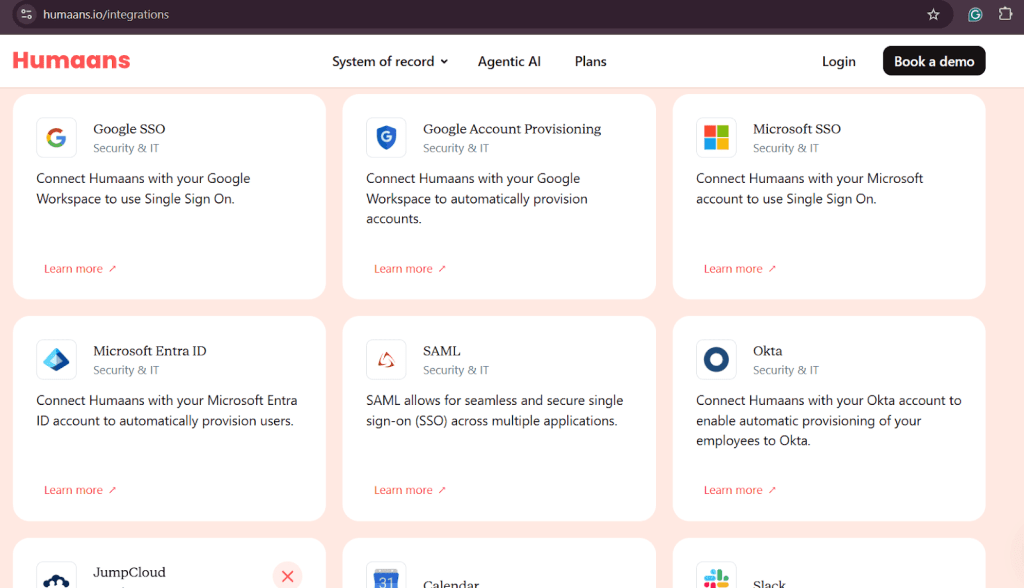
Humaans’ Integrations serve both technical and SEO goals. They target long-tail queries like “Humaans Slack integration” or “HR platform API,” while supporting topical authority and internal linking.
Their Resources hub is a key content asset, housing high-quality reports, eBooks, guides, and other valuable resources. These are designed for backlinks, citations, and gated lead generation, classic TOFU/MOFU content that compounds SEO equity.
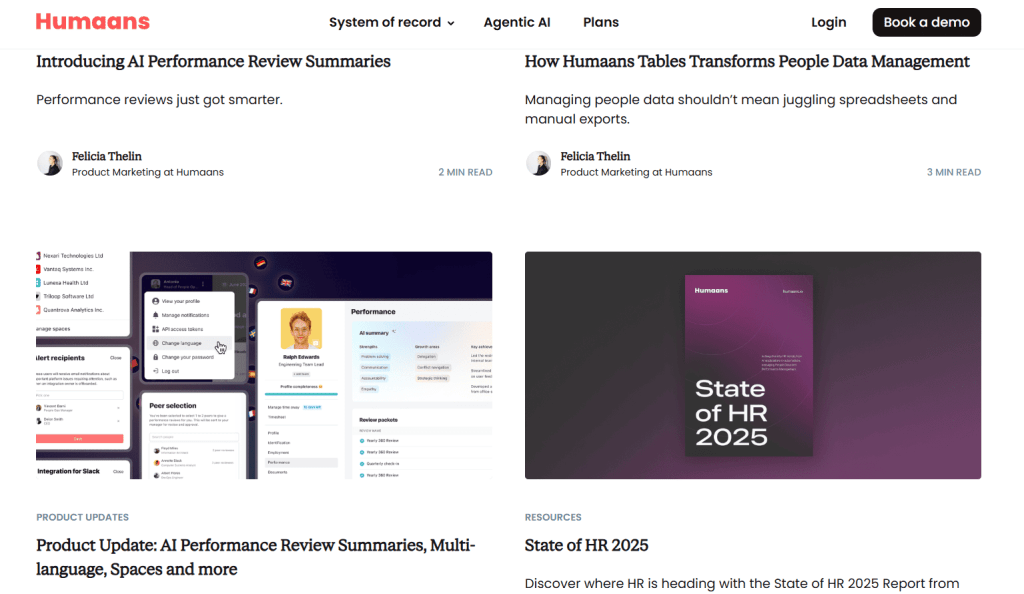
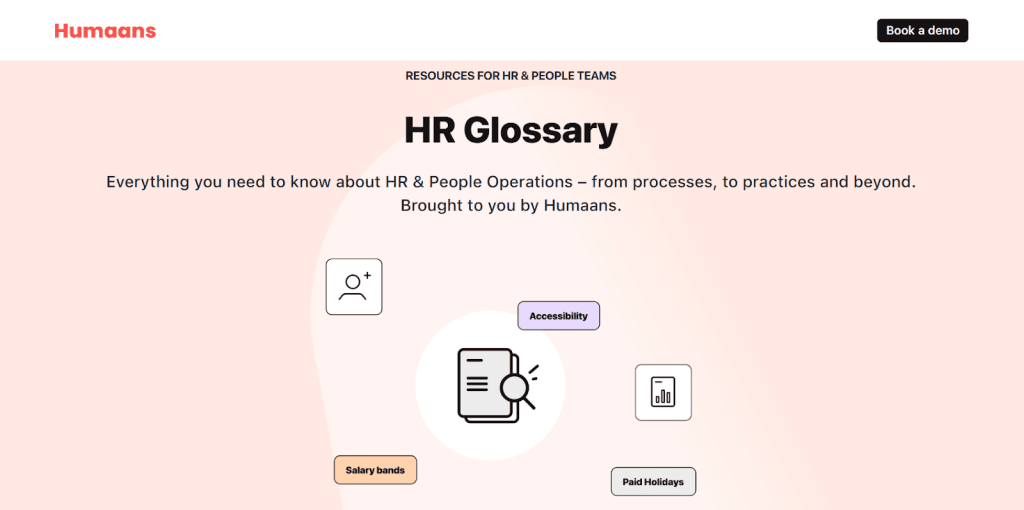
The Blog and HR Glossary drive steady organic traffic through keyword-focused, educational content that connects directly to product capabilities.
Meanwhile, the “What’s New” and “Product Releases” pages provide freshness signals and build buyer trust through visible product updates.
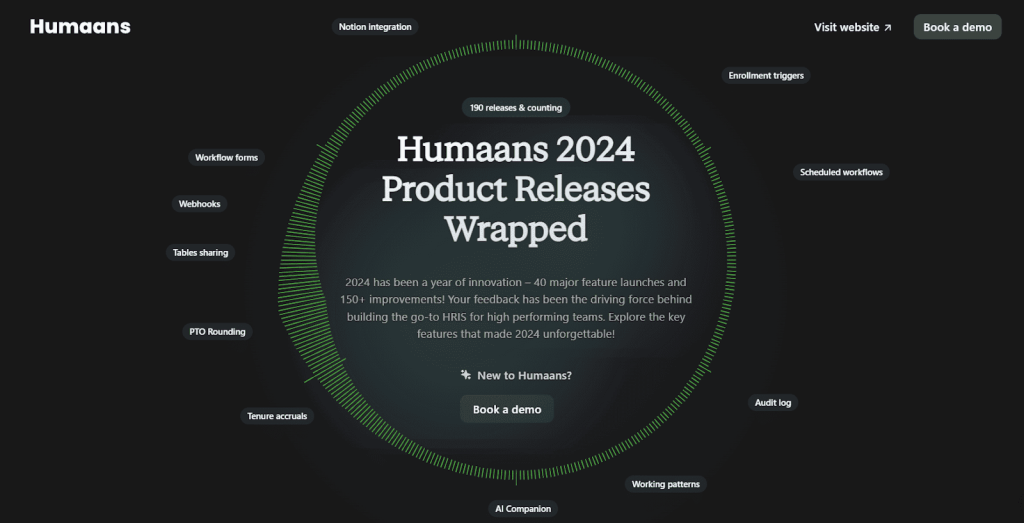
Humaans’ combination of structured product pages, research-driven content, and technical integration hubs creates a scalable SEO foundation that builds authority, captures intent, and drives qualified leads.
6. Multiverse
Multiverse is a professional apprenticeship and skills development platform connecting learners with employers through tech-driven training.

Their case studies are built around problem-solution narratives with strong keyword targeting, focusing on outcomes like “closing the skills gap” or “scaling apprenticeship programs.”

This approach helps them rank for intent-rich, solution-led searches and build credibility with both HR leaders and learning professionals.

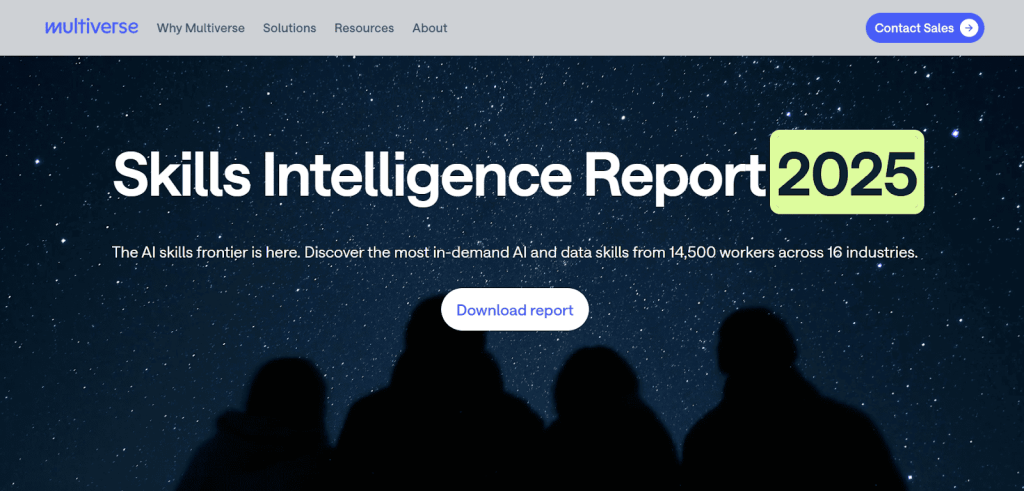
They publish research-driven reports like the Skills Intelligence Report 2025, which attract high-intent visitors from both sides of their audience, job seekers looking for insights and employers exploring workforce development strategies. These reports act as powerful linkable assets, strengthening authority and domain trust.
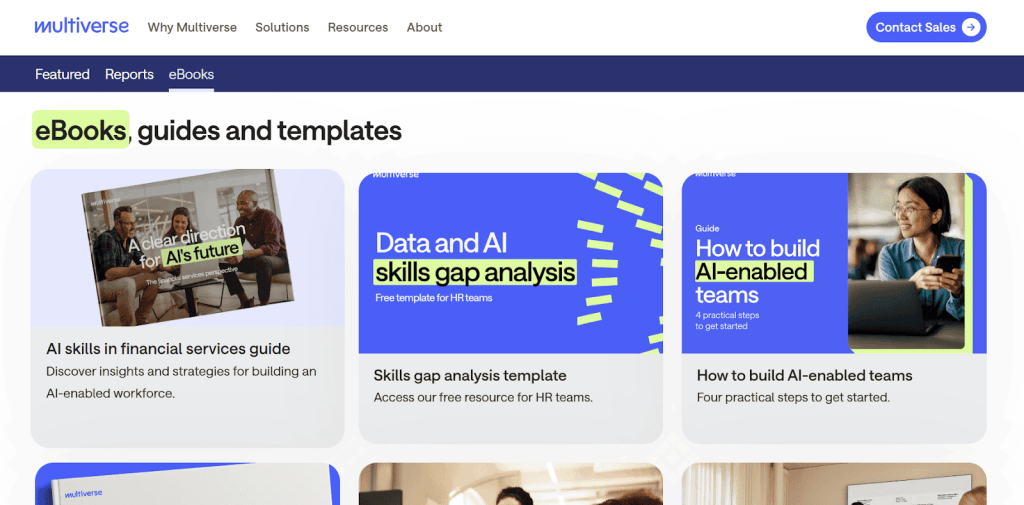
The eBooks, guides, and templates section supports top and mid-funnel education, addressing queries around learning programs, training ROI, and career development frameworks. This type of evergreen, utility-driven content broadens discovery and nurtures leads over time.
Their News page brings together company updates, media features, and industry commentary. Regular publishing on this site keeps its site fresh, signals authority to search engines, and reinforces Multiverse’s positioning as an active, evolving player in the skills ecosystem.

Multiverse’s content strategy combines SEO-optimized case studies, data-driven reports, and consistent publishing to build authority, drive discovery, and convert both employers and learners through valuable, search-friendly storytelling.
7. RippleMatch
RippleMatch is an early-career hiring platform that serves both candidates and employers, offering a clear split in journeys, separate pages, tailored messaging, and keywords for each audience.
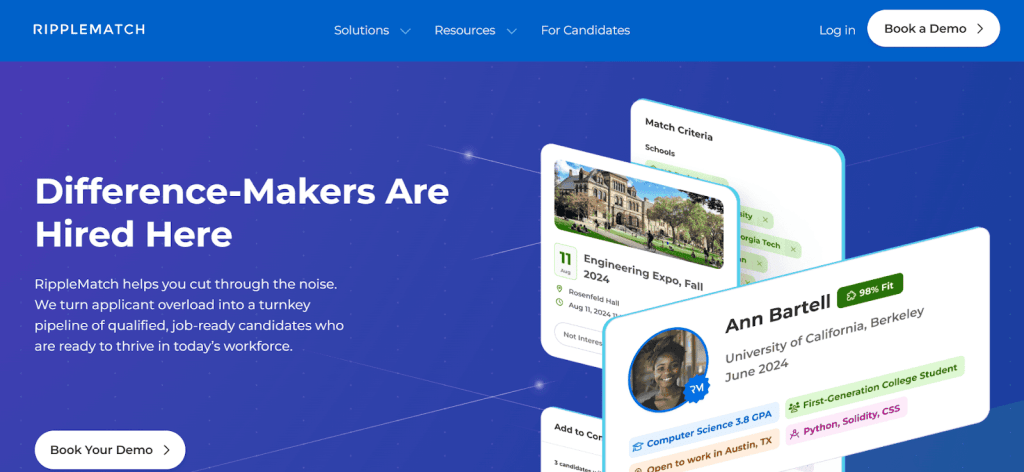
The standout asset is their Resume Optimizer. It targets a massively searched query (“resume optimizer”), pulls consistent candidate traffic, and funnels engaged users into profiles and applications without hard selling.

Their blog covers hiring trends, offer acceptance/reneging, and early-talent best practices, pieces built for informational and evaluative intent that surface well in snippets and internal link naturally to employer solutions.
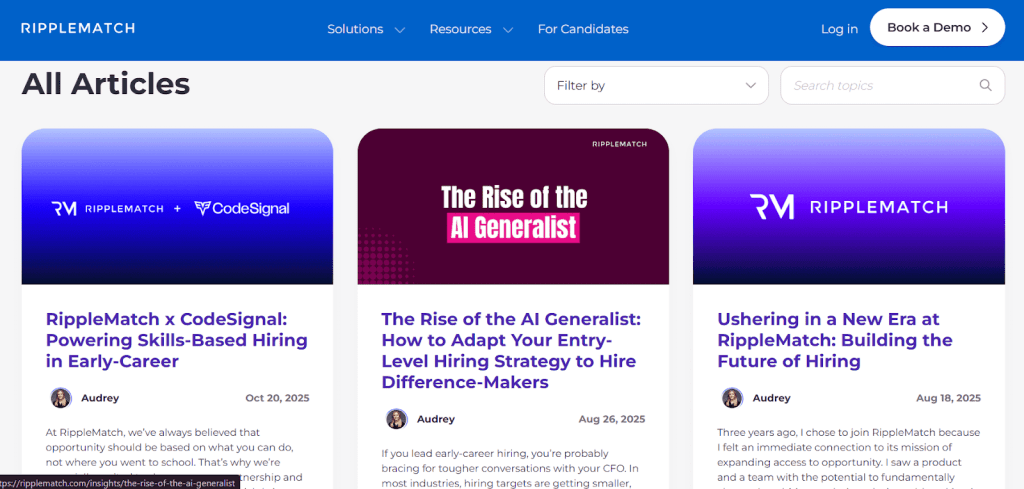
They back this up with guides and reports and downloadable templates, which earn links, capture leads, and reinforce topical authority around early-career hiring.

RippleMatch is active on awards and PR, with third-party recognition, news placements, and trade coverage, driving branded searches, high-quality backlinks, and credibility with TA leaders.

A robust FAQ/Help Center answers candidate and employer questions in plain language, ranking for long-tail queries while reducing support friction and improving on-site engagement.

RippleMatch’s mix of high-demand tools, dual-audience site paths, research-led resources, and steady PR creates compounding SEO, attracting job seekers at scale while converting employers with authority-building content.
Conclusion
Great content marketing isn’t just about publishing blogs or guides; it’s about building trust, authority, and discovery across every touchpoint. The HR tech brands we explored show how structured SEO, useful tools, and consistent storytelling can drive qualified traffic and real conversions.
If you’re looking to build a content engine that does the same for your HR tech business, Contensify can help. With over a decade of experience in content marketing and SEO for B2B and SaaS, we know how to turn strategy into measurable growth.