In the past few years, the fintech space has exploded, and that growth isn’t slowing down anytime soon. From digital banks and smart cards to automation tools and payment platforms, innovation and investment have been pouring in from every direction.
Yet, even as this industry races toward a projected trillion-dollar mark by 2030, not every fintech brand is growing at the same pace. And surprisingly, the reason isn’t innovation or technology, it’s content marketing.
If you look closely, every fintech brand that has scaled fast in recent years shares one common thread: they’ve nailed their content game. Because today, content is the growth engine for new-age fintech startups.
In this blog, we’ll examine the best content marketing examples in fintech and what they reveal about driving genuine growth.
Content Marketing Examples From the Best Fintech Brands
Here are some of the best fintech content marketing examples worth learning from:
1. Stripe
Stripe is known for powering online payments globally, but what really puts them ahead is how simply and clearly they explain complex products.
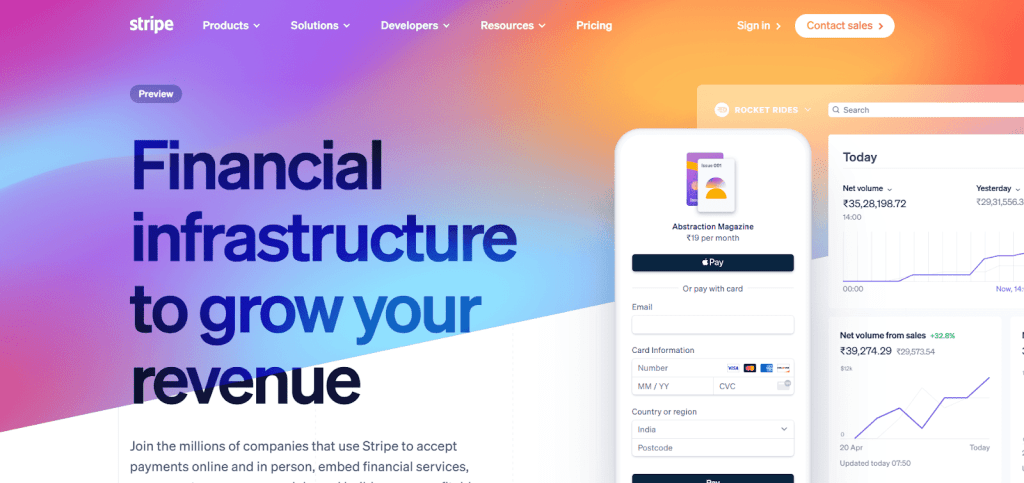
Each product, such as Payments, Checkout, Billing, Tax, Revenue Recognition, and others, has its own dedicated page.

These pages tell you what it is, who it’s for, and how it helps, backed by real customer examples right on the page.

From there, you can move deeper into feature pages like Pre-built payment forms, Elements UI, Radar fraud prevention, or Terminal.
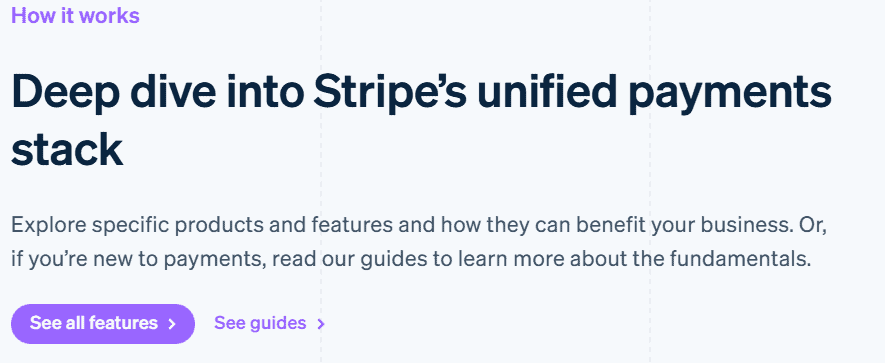
Everything connects smoothly, so whether someone’s evaluating value or a developer is exploring docs, the path is obvious.
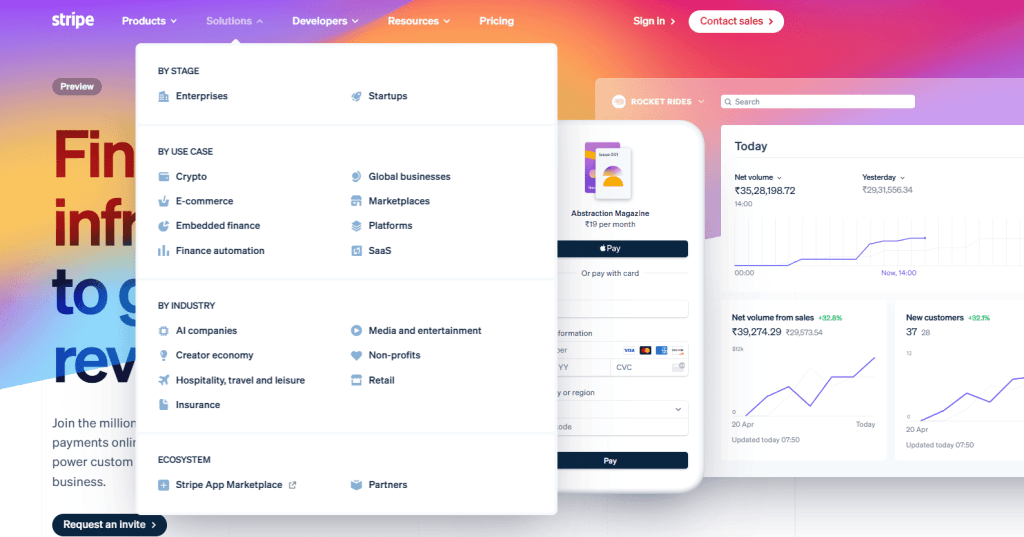
They also structure solutions by stage (startups vs enterprises), use case (SaaS, crypto, marketplaces), and industry. This means users always land somewhere relevant, and Stripe shows up for more searches with intent.
Their content hub features blogs, guides, documents, case studies, events, Stripe Press, and customer stories, all designed to build understanding and trust. You get answers, examples, and next steps in one ecosystem.

Most of these posts are short, practical, and link directly to documents, demos, or more in-depth guides. Interestingly, because Stripe already has strong brand awareness, most of its search traffic comes from branded queries.
From a content standpoint, that means top-of-funnel content isn’t the key growth lever. Instead, Stripe leans into bottom-of-funnel content like product updates, integration guides, and case studies that help enterprise users make faster, more confident decisions.
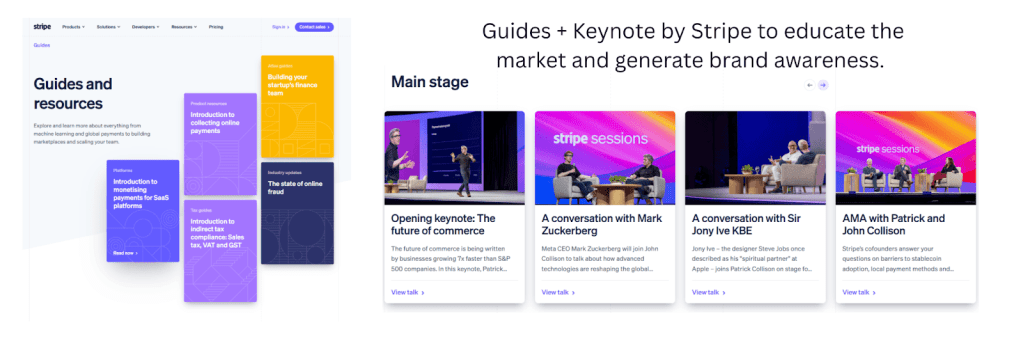
Stripe’s content works because it’s direct, structured, and useful. They don’t try to talk to everyone, just the right audience, in the right way.
2. Plaid
Plaid connects financial accounts to apps, powering secure data sharing between consumers, banks, and fintechs. In simple terms, it’s the invisible bridge that makes modern finance apps work.

When you land on their homepage, what stands out is how clean and intentional the design feels. The UI and UX are built to guide everything to flow logically, linking to deeper pages that explain Plaid’s products in plain, accessible language.

Behind that simplicity lies scale; Plaid has over 770 dynamic pages, many of which were built through programmatic SEO. This gives them massive search visibility across products, use cases, and industries, all while keeping the content relevant and consistent.
They’ve also been publishing useful content since 2015, and that steady output has helped them build strong topical authority, a decade of genuine, helpful resources that search engines (and readers) trust.

Their product pages are neatly structured. Each product category opens into dedicated pages that clearly explain what it does, who it’s for, and how it helps.

Their use case pages take that a step further, showing how different industries and business models use Plaid in real-world scenarios to capture intent-based traffic and build credibility.
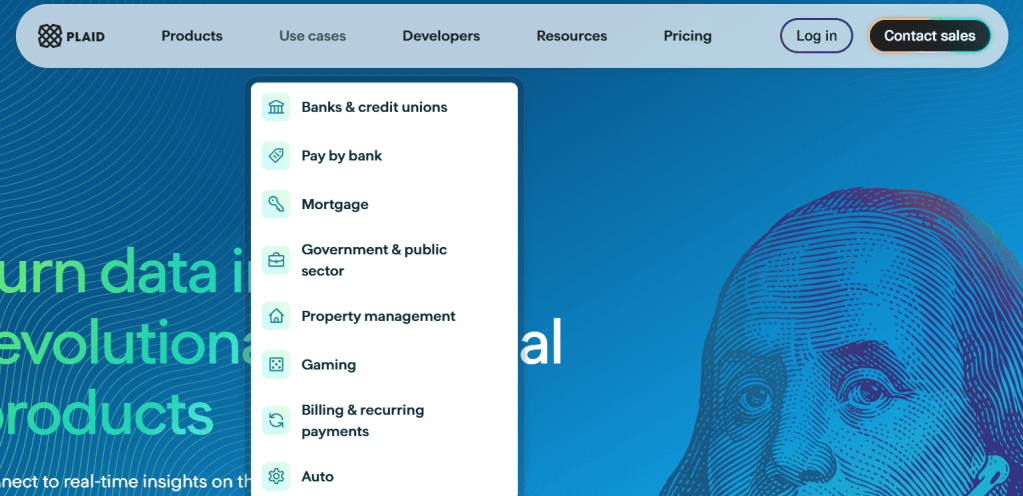
Plaid’s Developer hub includes quickstart guides, API documentation, demos, and best practices with videos, step-by-step breakdowns, flowcharts, etc that help developers integrate Plaid smoothly without friction.

Plaid also uses FAQs strategically. These not only address common user questions but often surface in Google’s “People Also Ask” section and LLM-generated answers, giving them additional organic reach.

And beyond on-site content, Plaid invests in PR and media visibility, regularly appearing in Forbes, Fortune, Bloomberg, and TechCrunch. These placements reinforce trust and strengthen their authority beyond search.

Plaid’s content engine blends scale, structure, and clarity. From programmatic SEO to developer documentation, every element is designed to educate, convert, and build long-term trust.
3. Robinhood
Robinhood makes investing simple and accessible, offering commission-free trading in stocks, ETFs, and crypto. It’s the app that helped a new generation of investors enter the markets with confidence.

The company also invests heavily in content. Its library of educational and investment resources is built around long-tail search queries, bringing in steady SEO traffic while teaching users how to navigate financial markets.
As Rashad Drakeford, Robinhood’s Head of Content, puts it:
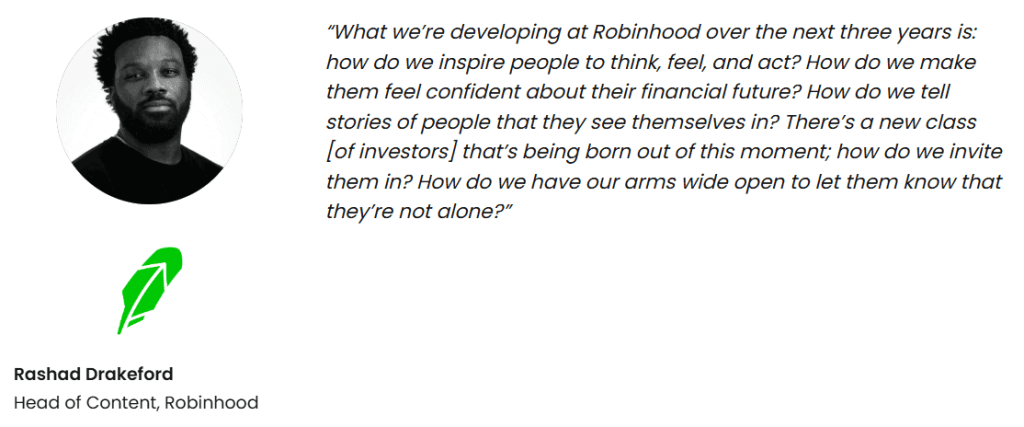
That vision shows up everywhere in their content.
The Learn section is their biggest content asset. It’s full of short, plain-language guides that explain financial concepts, market trends, and investment strategies. This top-of-funnel content attracts traffic and builds trust, while subtle nudges lead readers toward the app or product pages.

Unlike their Learn page, which focuses on top-of-funnel educational content, Robinhood’s blog (Newsroom) leans more toward product-based news and branded content.

Posts are well-optimized with meta descriptions, clean URLs, and accessible visuals with proper alt text. The tone stays conversational yet credible, helping readers feel confident about topics that might otherwise seem intimidating.

Robinhood also runs a podcast series called The Best One Yet (Formerly, Snacks Daily), where market news and financial insights are delivered in quick, casual episodes.
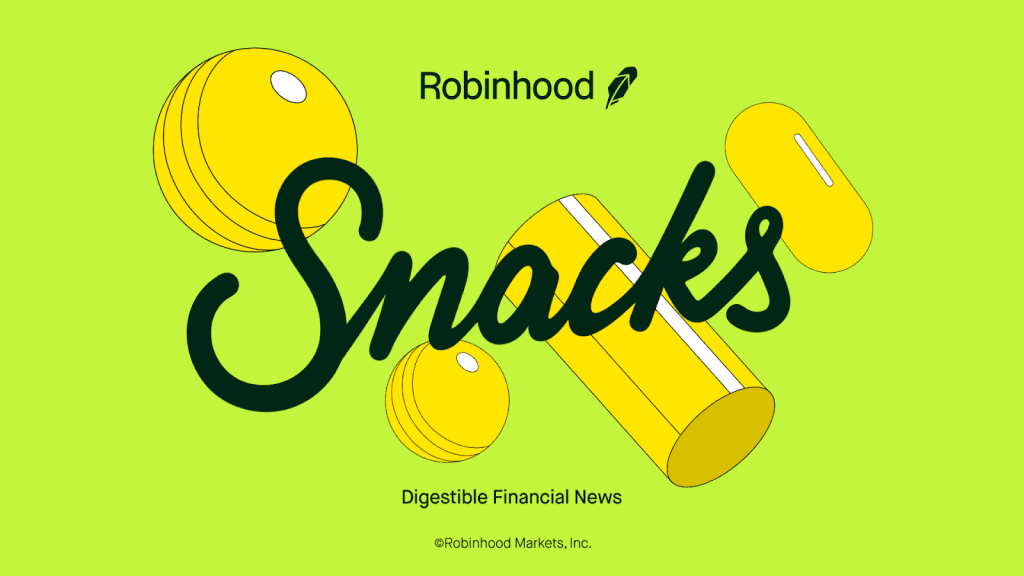
With over 10 million downloads, consistently ranking in Spotify’s top 10 podcasts, and listened to by more than 165,000 people every weekday, it gives them a strong edge in building daily engagement and brand recall.
4. Wise (formerly TransferWise)
Wise is one of the most trusted names in cross-border payments, known for making international money transfers faster and cheaper. Everywhere you look, their content answers the one question people actually care about: “How much will this really cost me?”
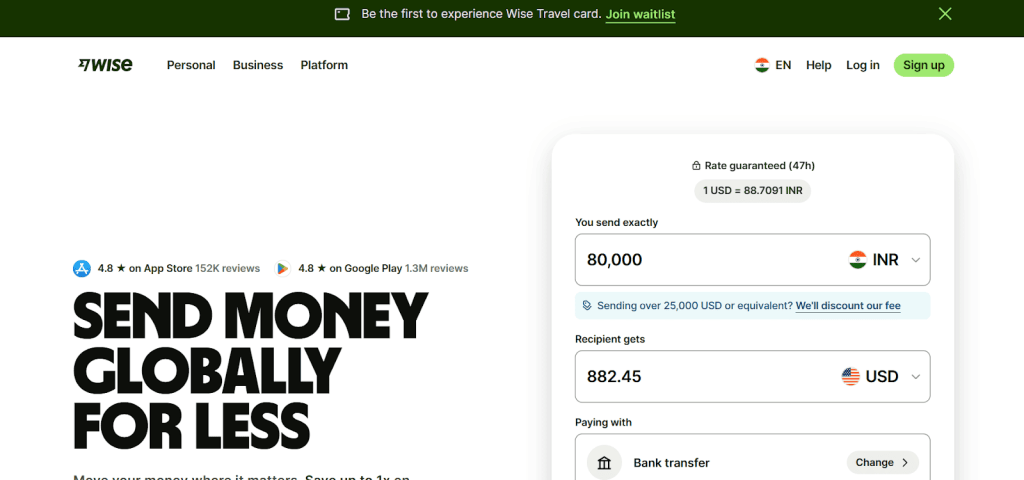
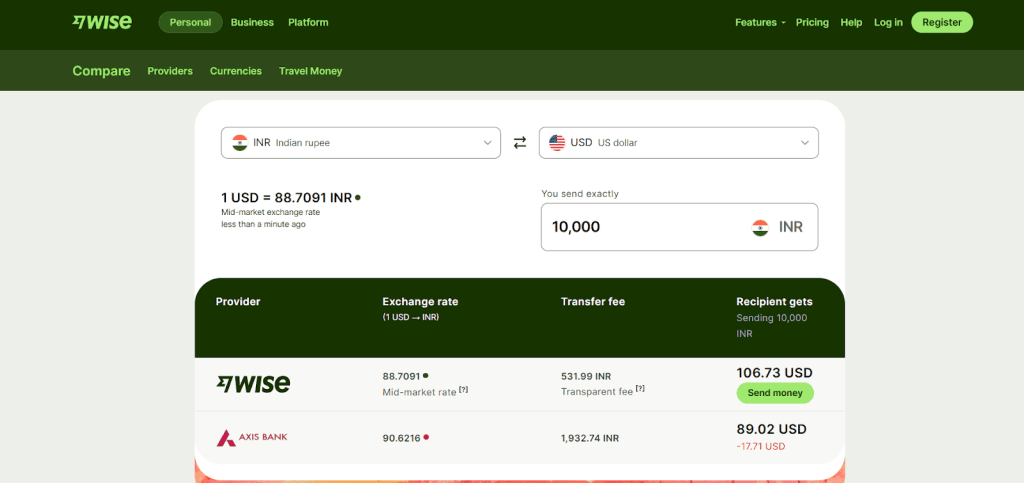
Their price comparison pages, currency guides, and fee transparency explainers make complex international payments feel simple and fair. Instead of shouting “low fees,” Wise shows you, with side-by-side breakdowns against banks and competitors.
They’ve also built an extensive content hub that covers everything from living abroad to business payments. The tone stays conversational and human, never corporate. It feels like advice from someone who’s done the transfer themselves.

What’s clever is how every guide links back to tools like the currency converter, rate alerts, and borderless account setup so readers can take action immediately. It’s not just awareness; it’s education that drives conversion.

From a search standpoint, Wise dominates high-intent keywords like “send money to UK” or “best exchange rate for USD to EUR” by pairing SEO-rich content with genuinely helpful experiences.

Wise’s content works because it does one thing exceptionally well: it earns trust through clarity, just honest answers that make users feel confident clicking “Send.”
5. Monzo
Monzo is one of the UK’s most popular digital banks, known not just for innovation but for how openly it communicates.

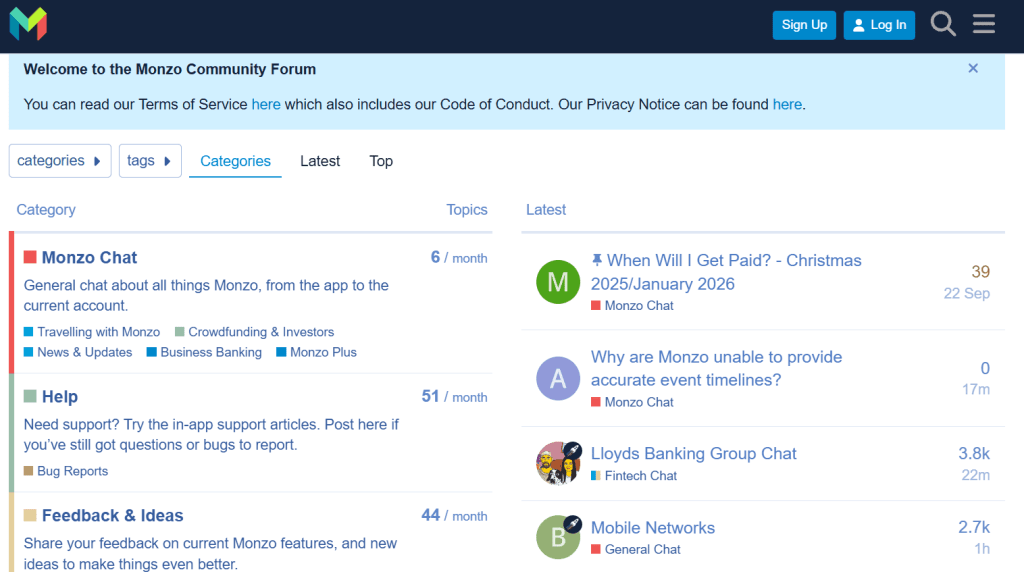
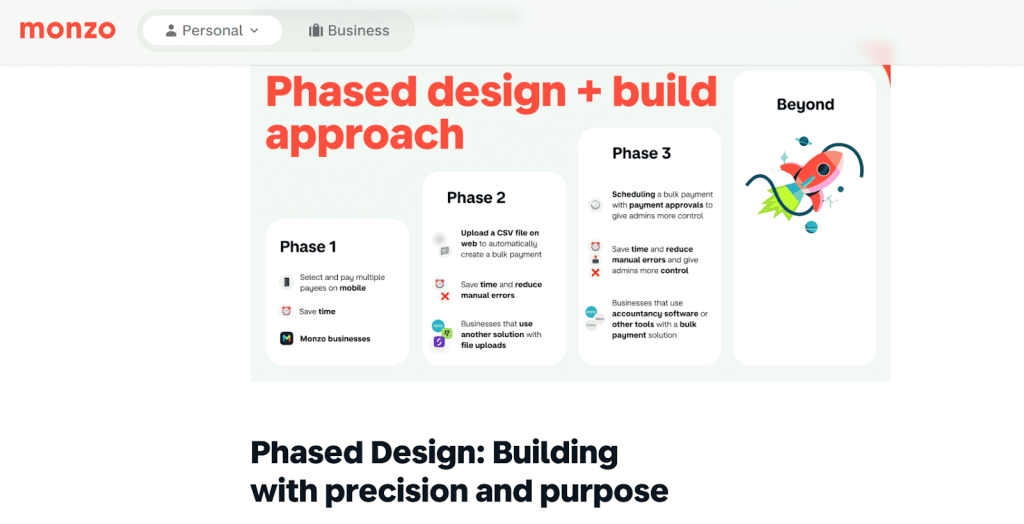
From day one, Monzo turned transparency into a brand advantage. Their public roadmap, community forum, and blog show users exactly what’s being built, what’s delayed, and why. It’s a rare level of honesty in finance, and it’s what makes customers trust them.
Their blog blends product updates, feature explainers, and customer stories, all written in plain language. Even tricky topics like fees or limits are explained clearly, with reasons and next steps spelled out. It feels more like a conversation than a press release.
Monzo’s content strategy focuses on meeting customers where they are. They maintain the same human, conversational tone across all their social. That authenticity is exactly why Monzo was shortlisted for ‘Brand of the Year’ by The Marketing Society, for the second year running.

Even their C-suite team plays an active role, sharing genuine insights and thought-leadership content that adds personality to the brand and drives real engagement.

Monzo’s content works because it’s clear, consistent, and customer-first.
6. GoCardless
GoCardless helps businesses collect recurring payments directly from customers’ bank accounts. Their website navigation remains clean, with only three options: Products, Resources, and Pricing, making it easy to find the information you need.
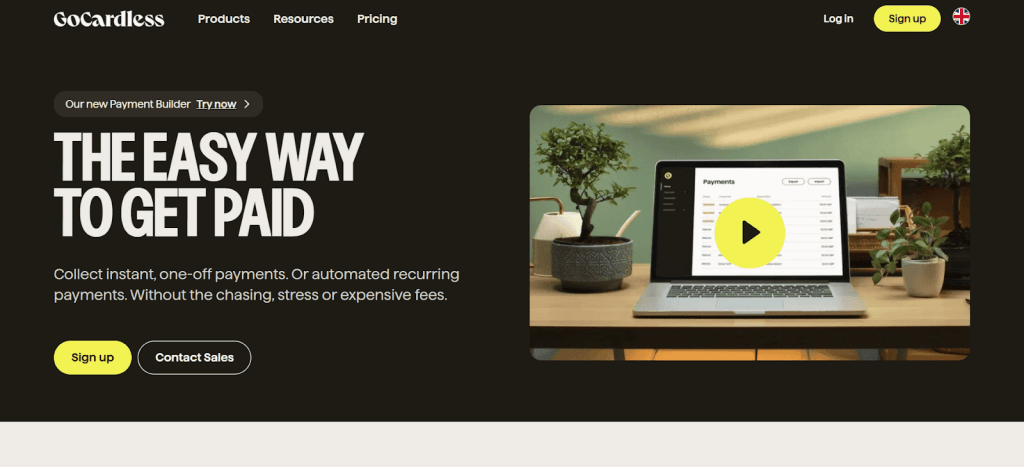
They also have a searchable Partner Directory that lets users quickly check if GoCardless integrates with their existing tools.

In addition, a dedicated FAQ section covers practical questions like “What is a PO number?” or “What is an EFT payment?” These pages are SEO-optimized and often appear in featured snippets and AI overviews.

Their support pages and developer docs are equally polished with clear guides, code examples, and troubleshooting resources to ensure a smooth setup.

What sets GoCardless apart is how data-backed their content is. Every stat, figure, or trend comes from in-house research or reports, reinforcing their credibility.

Their blogs are short, visual, and SEO-friendly, typically 2-minute reads packed with graphs and practical takeaways. Finally, their content direction is led by Toni Gregory, Head of Content Marketing, who ensures that every piece aligns with the brand’s positioning and thought leadership goals, a point she has discussed openly in a recent podcasts.

GoCardless’s content works because it’s structured, data-led, and built for clarity.
7. Spendesk
Spendesk is a spend management platform designed for finance teams, but what truly drives its visibility is how effectively it uses comparison content to capture high-intent search traffic.
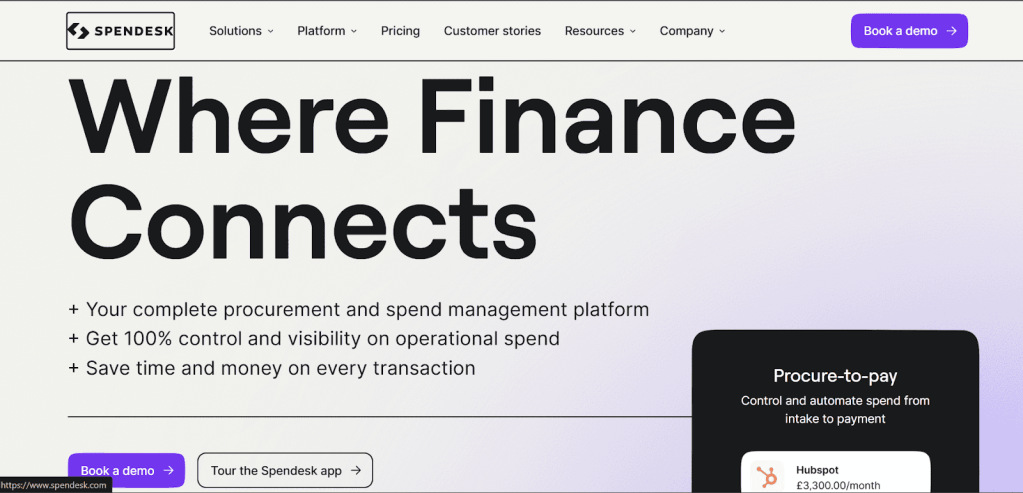
Instead of relying solely on landing pages, Spendesk consistently ranks for bottom-of-funnel keywords through well-optimized blog posts. They go after terms like:
- “Spend management providers”: 10 Top Spend Management Software Solutions for 2025
- “Business travel solutions”: 10 Excellent Business Travel Management Tools for 2025
- “Accounting automation software”: 10 Smart Accounting Automation Systems to Try
These posts don’t just list tools; they break down features, pros, and ideal use cases in a genuinely helpful way, then naturally position Spendesk as the top choice. This format builds trust, drives qualified traffic, and attracts readers actively comparing solutions.
What’s more, these blogs consistently outrank major players like Wise, SAP, Gartner, and other finance software providers, capturing high-intent search traffic that’s ready to convert.

The blog structure stays clean and scannable: intro → quick comparison table → detailed breakdowns → subtle CTA to try Spendesk. Each article is written with SEO precision, featuring clear headings, schema markup, and internal links, which helps them consistently rank for competitive, high-intent terms.

Beyond comparison posts, Spendesk also invests in educational and thought-leadership content through its CFO Connect community, a hub of interviews, reports, and roundtables featuring real finance leaders.
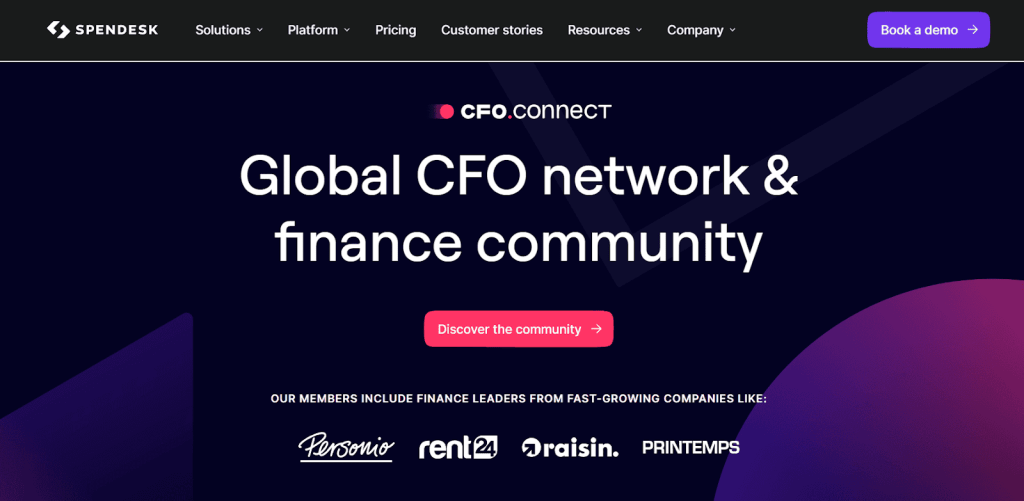
Spendesk’s content is effective because it combines SEO strategy with genuine value.
Conclusion
If there’s one thing these examples prove, it’s that great fintech content doesn’t just educate, it converts.
From Stripe simplifying the complex, to Wise building trust through clarity, and Spendesk turning search intent into leads, it’s clear that content is the real growth engine.
At Contensify, we’ve helped fintech companies do exactly that, from shaping SEO strategies that attract high-intent leads to building full-fledged content systems that turn readers into loyal customers.
Ready to turn your content into growth? Partner with Contensify today!