
Every website wants more traffic, but most hit a wall.
You can write blog posts, chase countless keywords, and build endless backlinks before it starts to feel impossible.
Meanwhile, some websites rank for thousands, even millions, of highly specific queries, from long-tail product searches to hyper-local services. Their pages feel endless.
How do they pull it off?
That’s the power of programmatic SEO, using structured data, templates, and automation to generate massive numbers of relevant, optimized pages at scale, without sacrificing quality.
What is Programmatic SEO?
Programmatic SEO (pSEO) uses automated, data-driven techniques to create and optimize large volumes of web pages efficiently.
While its primary goal is to improve visibility and rankings in search engines, pSEO also focuses on delivering relevant, valuable content that improves the user experience and drives engagement.
It ensures content is not only search-friendly but also accessible, useful, and aligned with user intent, often integrating with analytics and other tools to monitor and improve performance at scale.
Ultimately, programmatic SEO aims to produce high-quality, scalable content that serves both search engines and real users effectively.
Why Programmatic SEO Can Work for B2B SaaS
When executed well, programmatic SEO can significantly improve rankings and drive consistent organic traffic, without the ongoing cost of paid campaigns.
Some key advantages of programmatic SEO include:
- Greater visibility: By targeting a wide range of long-tail and niche keywords, you attract more organic traffic and increase your chances of driving qualified conversions.
- Scalable and efficient: Once your templates and data sources are in place, you can quickly generate dozens, hundreds, or even thousands of optimized pages through a fast, repeatable process.
- Competitive edge: Because relatively few businesses use programmatic SEO effectively, adopting it early can help you stand out in your market.
- Maintains consistency: Uses standardized templates and structured data to ensure quality and messaging stay uniform across pages.
- Adapts quickly to trends: Allows you to update templates or datasets centrally to respond to market shifts or seasonal changes.
If you want your business to gain these advantages in your market, but don’t have a team to execute it, partnering with a programmatic SEO agency gives you the expertise and strategy you need to compete and win at scale.
8 Best Programmatic SEO Examples
Here are some of the best programmatic SEO examples to learn from:
1. Wise
Wise uses programmatic SEO to capture long-tail keywords in the international finance space, like “currency-converter/aud-to-eur-rate.” Their dynamic pages feature live conversion rates, charts, input fields, and CTAs like “Track rate” or “Send money”, making them informative and transactional.
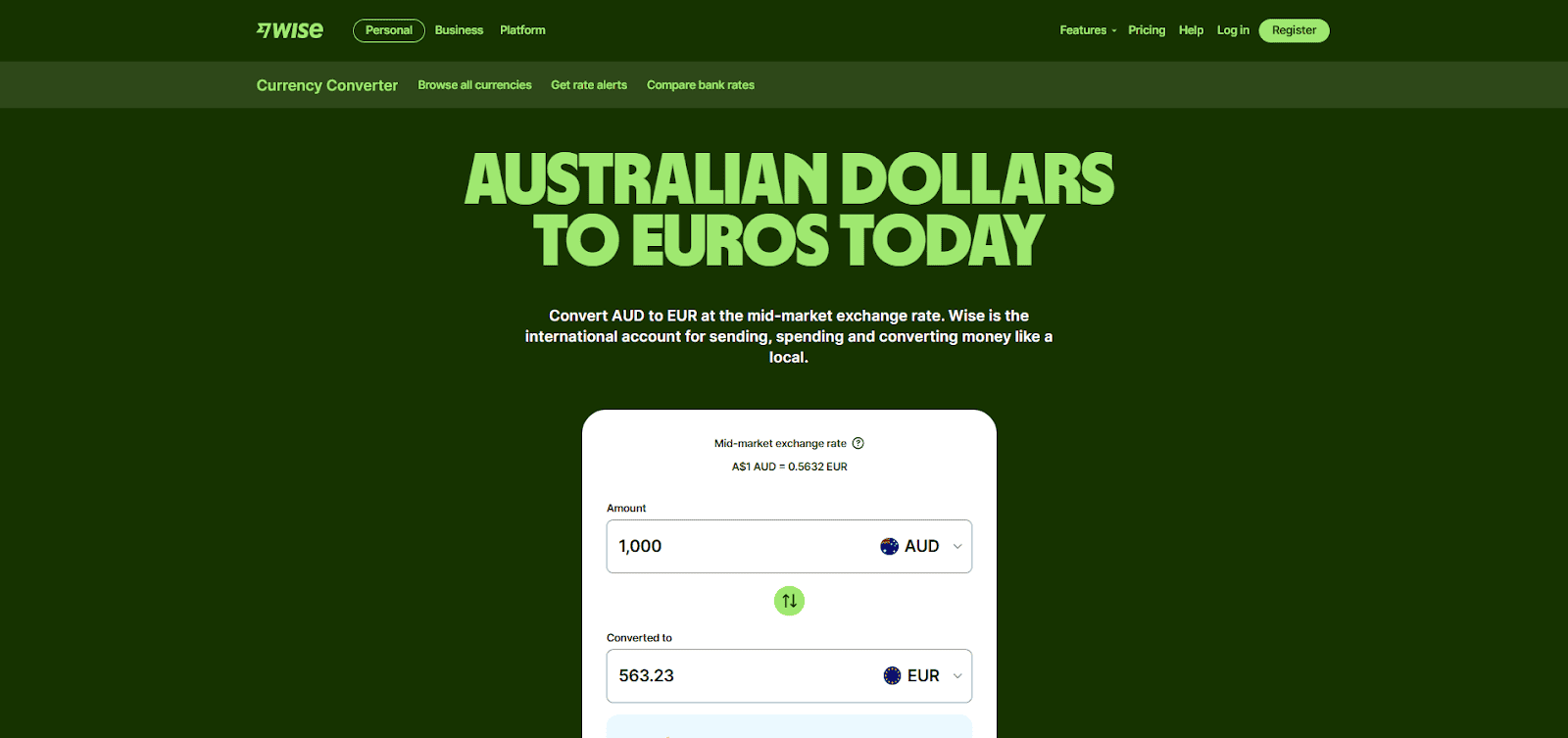
Additional elements, like comparisons to competitors, FAQs, and guides, enrich the content and subtly promote Wise’s services. This strategy boosts their visibility across niche queries while effectively converting users seeking practical, trustworthy information.
2. ProductHunt
ProductHunt, a platform for discovering and launching new tech products, uses programmatic SEO to optimize visibility at scale. Every product gets its landing page, like the CaughtUp App profile, targeting product-specific keywords.
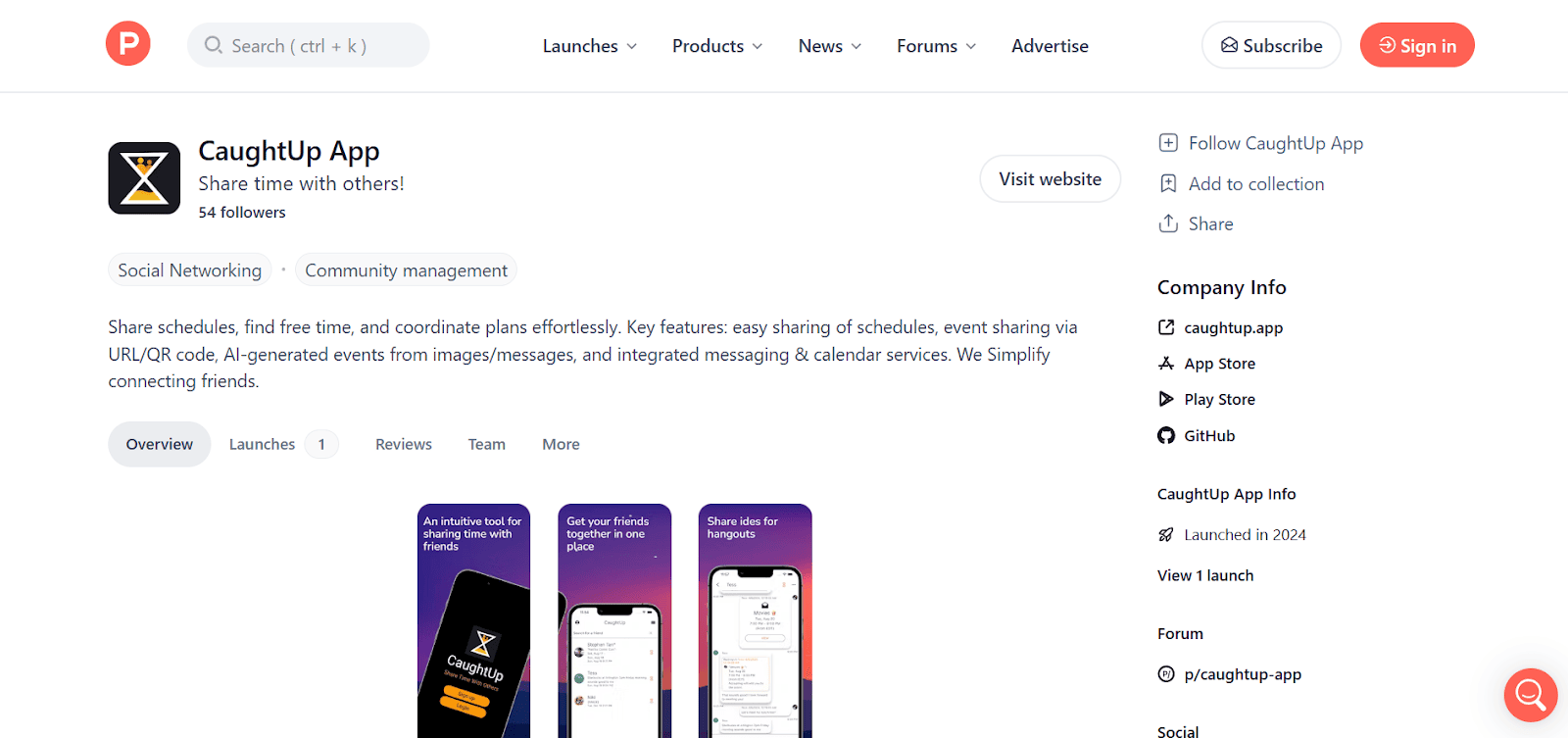
They also create “alternatives” pages, helping users find similar tools and boosting discovery. This dual approach attracts search traffic from people looking for new tools or competitors, driving engagement, repeat visits, and visibility for countless products and categories.
3. Freightify
Freightify is a SaaS platform that simplifies freight rate management by offering instant access to rates, schedules, and tracking. They use programmatic SEO to create country-specific freight rate pages that rank for logistics-related keywords.
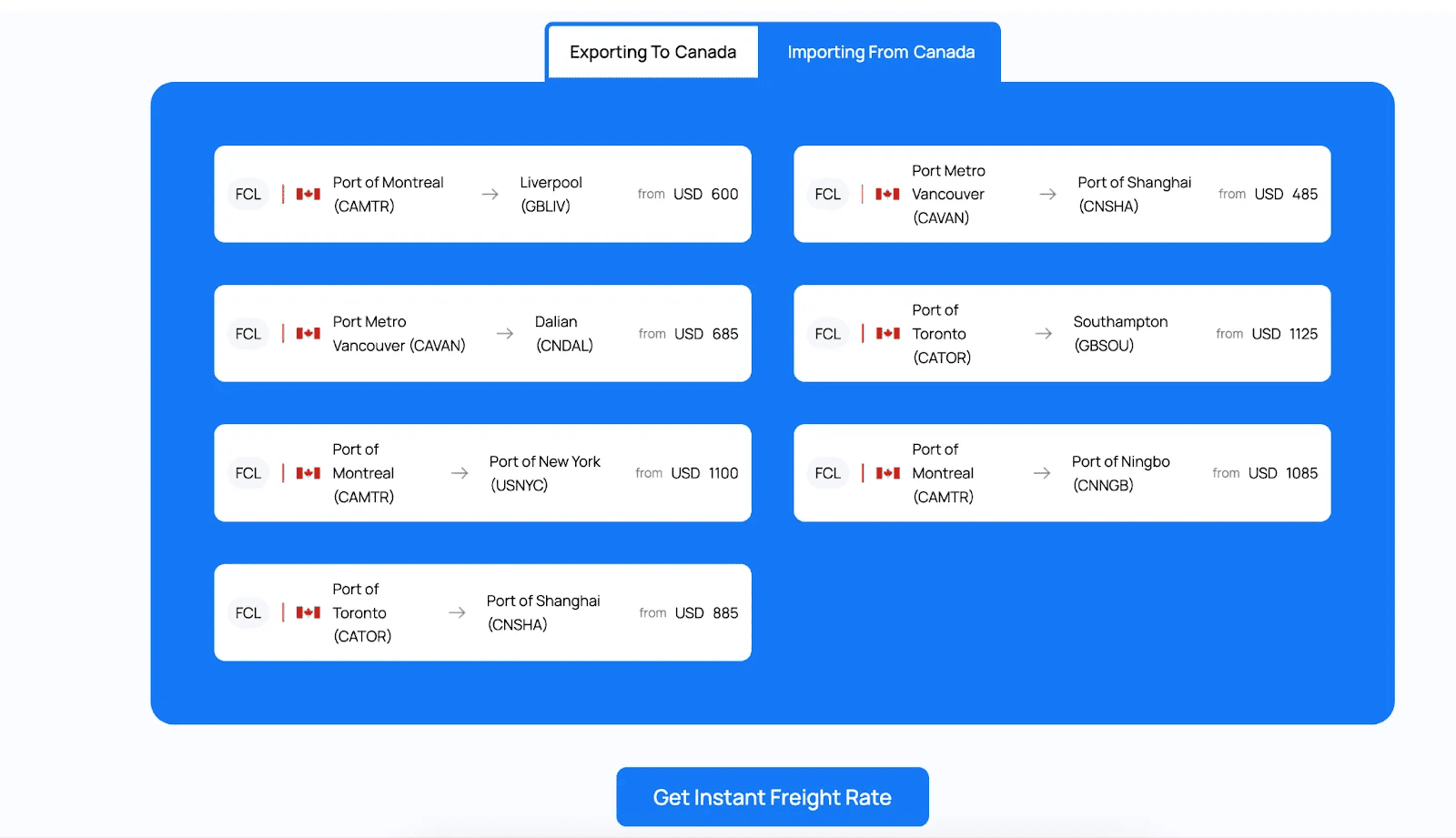
Dynamic charts display estimated shipping costs and encourage users to get real-time quotes via CTAs. This approach attracts logistics companies searching for freight rates, improves organic traffic from niche queries, and converts visitors into leads through clear, actionable pages.
4. Canva
Through a template-driven content strategy, Canva dominates design-related searches by publishing thousands of pages for specific use cases, like resumes, logos, Instagram posts, brochures, and more. Each page targets long-tail queries like “free online resume builder” or “Instagram story templates”, connecting users directly to ready-made designs.
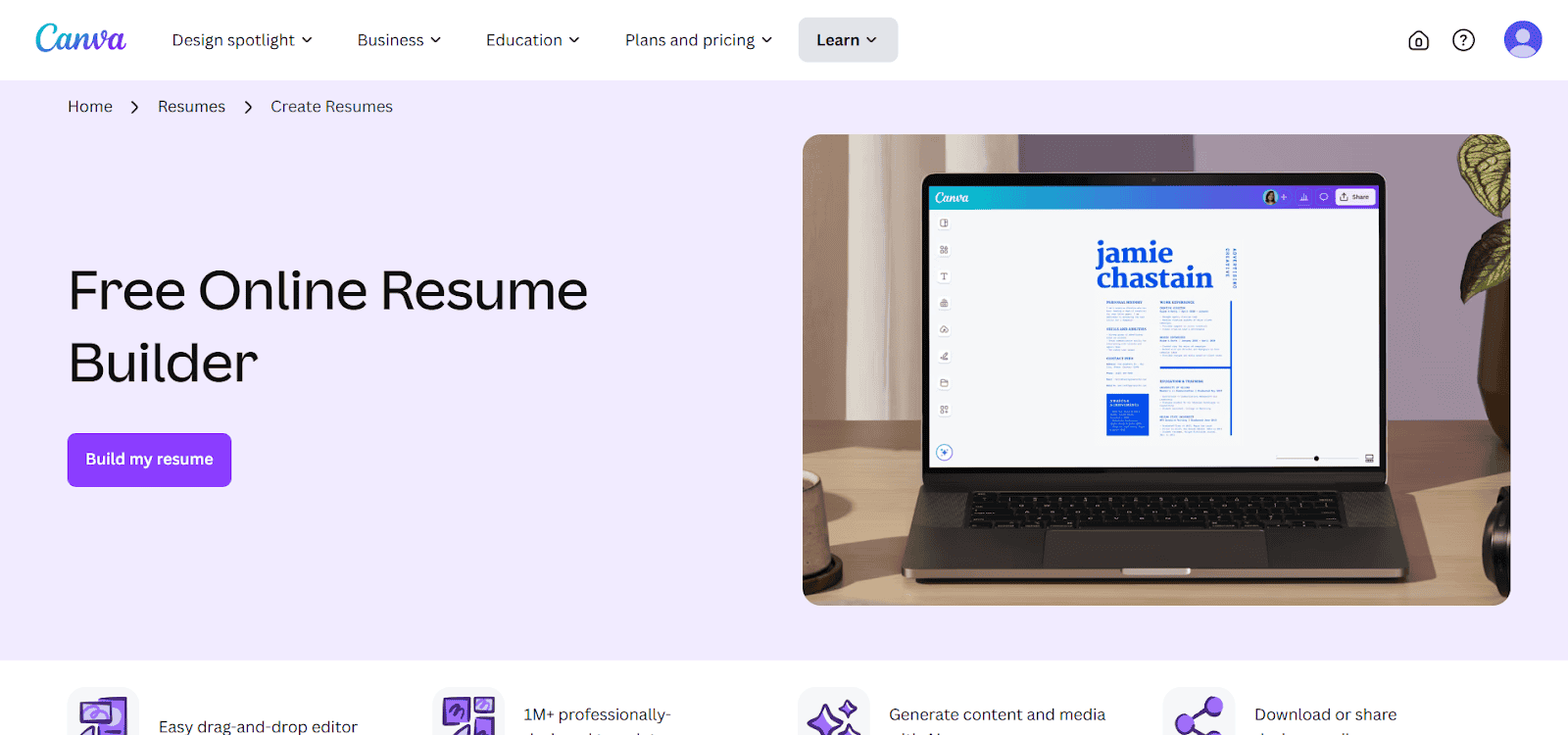
This scalable approach not only attracts non-designers looking for quick solutions but also drives massive organic traffic, positioning Canva as the go-to platform for accessible, professional-looking visuals.
5. DelightChat
DelightChat, a customer support platform for e-commerce, uses programmatic SEO to attract 24K+ monthly visitors. They target “Best Shopify [Category] Apps” searches by dynamically generating pages from a template and a dataset of apps.

Each page includes a clear title, category description, app names, logos, and features all structured for search intent. Example: “Best eBay Apps for Shopify” alone brings ~800 visits/month. This smart, scalable approach helps them rank for dozens of long-tail keywords without writing every page manually.
6. Atlassian
Atlassian uses programmatic SEO to rank for long-tail queries tied to its tools like Jira, Confluence, and Bitbucket. They create dedicated landing pages for specific use cases, such as “Jira for agile project management” or “Jira for incident management”. Each page highlights benefits, real-world examples, and FAQs to match user intent.
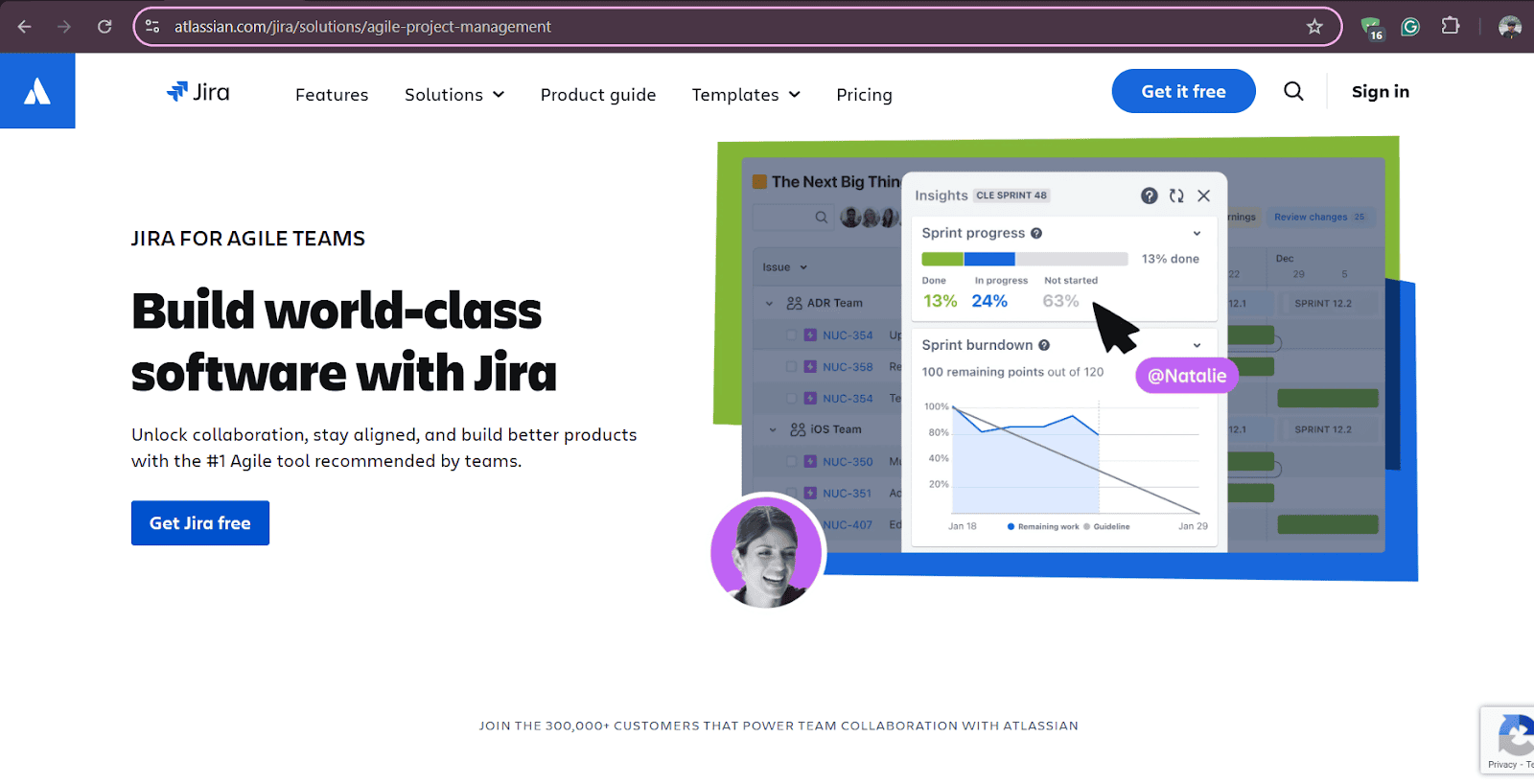
This strategy helps Atlassian dominate search results for Jira-related queries, attract high-intent visitors, and generate quality leads by addressing exactly what people are searching for.
7. Zapier
Zapier uses programmatic SEO brilliantly, creating over 590K pages to capture searches for app integrations like “Google Sheets and Notion integration.” Each page targets a specific, high-intent query with real use cases, templates, triggers, and actions.
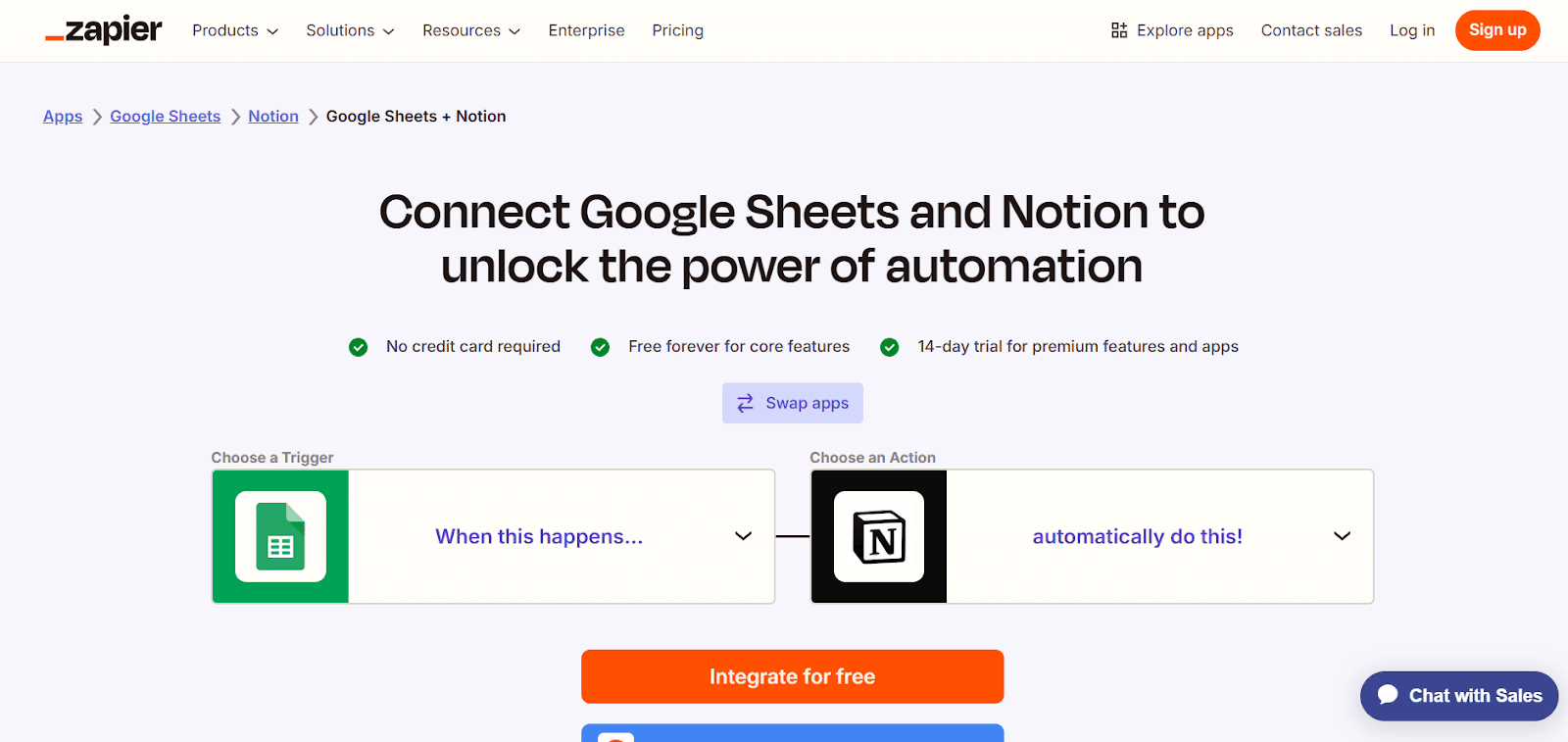
Their /apps/ directory alone drives 610K+ monthly visits. By leveraging proprietary data, the integrations that only they can offer Zapier rank for countless long-tail keywords. Every page solves a clear problem at scale, showcasing how automation and programmatic content can fuel organic growth.
8. G2
G2 drives over 6.6 million monthly visits by programmatically creating pages for high-intent searches like “Compare Asana and monday.com” or “Best CRM software.” Their comparison pages feature titles with both products, logos, quick answers, feature and pricing tables, and links to detailed reviews.

For “best” pages, they include category descriptions, filterable software lists, and user data by industry and segment. By pulling structured data from reviews and product details, G2 ranks for thousands of commercial queries, helping users choose the right software and capturing massive organic traffic in the process.
How You Can Apply These Strategies
You can start implementing programmatic SEO with these practical steps:
- Automate page creation by building templates and connecting them to your data sources, so you can generate consistent, optimized pages for each listing, service, or product.
- Use clean, keyword-rich URLs that clearly describe the page’s content and help both users and search engines understand what it’s about.
- Implement structured data or schema markup to help search engines display rich snippets like ratings, prices, and FAQs, making your listings more visible and clickable.
- Encourage user reviews and other user-generated content to keep your pages fresh, engaging, and trustworthy over time.
- Target local and long-tail keywords to capture specific, high-intent searches that bigger competitors often overlook.
- Make meta titles and descriptions dynamic yet meaningful, so they adjust to each page’s unique content while remaining clear and compelling for users.
- Regularly audit and refresh old pages by updating data, improving content quality, and fixing any technical issues to maintain rankings and relevance.
Conclusion
You don’t need millions of pages or a massive team to benefit from programmatic SEO; you can start small, test what works, and scale over time.
Experiment with automation and templates to save time, improve consistency, and reach more users without stretching your resources.
Start with one section of your site and watch how programmatic SEO helps you grow.
And if you’re looking for an agency that can help you execute this at the scale you need, Contesify is the partner for you. With over a decade of experience, we’ve helped businesses across industries grow and dominate their niches through smart and scalable SEO.