Most B2B SaaS brands don’t lose because their product is weak. They lose because the right people never hear about them.
Brand awareness often feels abstract. Easy to ignore when leads and demos feel more urgent. But when buyers don’t recognize your name or trust your expertise, every conversation starts from scratch.
That’s where content matters. Consistent, useful content helps your brand show up early in the buyer journey. It builds familiarity, signals credibility, and keeps you top of mind while prospects research and compare.
That’s why, in this blog, we’ll break down practical ways content helps build B2B SaaS brand awareness.
Ways Content Helps with Brand Awareness
Here are some practical ways content helps build brand awareness for B2B SaaS companies:
1. Puts Your Brand in Front of Buyers Before They’re Ready to Buy
Most B2B buyers don’t start with product pages. They begin with questions, simple searches, and early problem exploration. When your content shows up at this stage, your brand becomes part of their learning process, not just their vendor shortlist.
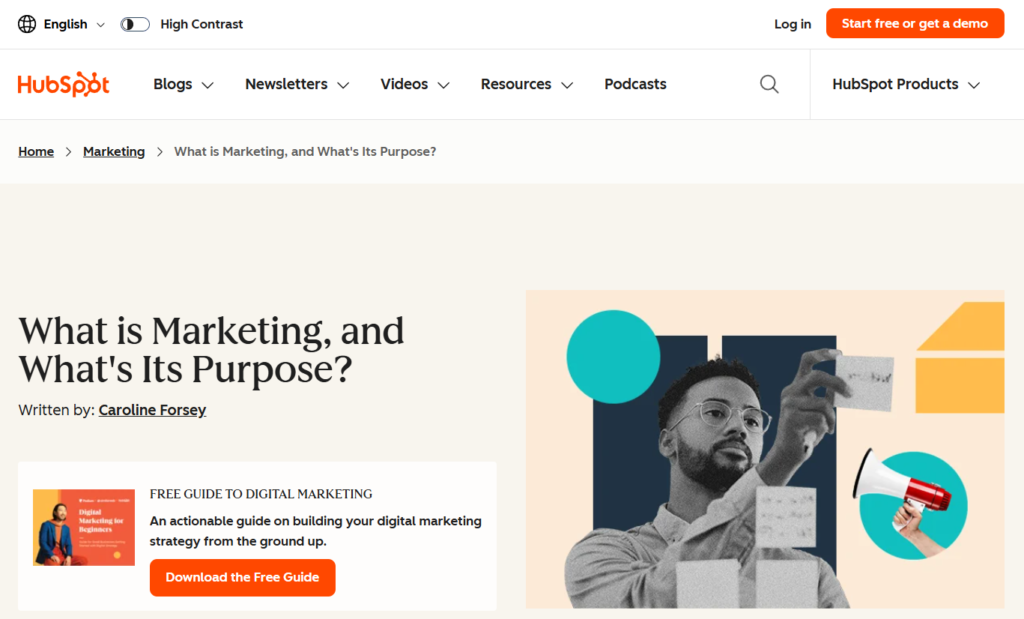
This is how many teams first come across platforms like HubSpot, through plain-English guides on marketing basics, long before they ever think about booking a demo. That early visibility builds familiarity, so when buying intent finally forms, your brand already feels known and credible.
2. Shapes How the Market Defines the Problem
Educational content doesn’t just talk about solutions. It shapes how buyers think about the problem in the first place. When your brand consistently shares a clear point of view, it influences the language, framing, and priorities your audience adopts.
Over time, this changes how the market sees the space:
- Buyers start using your terminology to describe their challenges
- Your way of framing the problem becomes familiar, even expected
- The conversation shifts before tools or vendors are even compared
This is how concepts like “product-led growth” or “inbound marketing” moved from niche ideas to mainstream thinking, because a few SaaS brands kept reinforcing those narratives through steady, focused content.
3. Builds Repeated Exposure Across Search, Social, and AI Answers
Consistent content increases surface-level visibility across search results, social feeds, AI responses, newsletters, and niche communities. When the same themes show up in different places, your brand starts to feel familiar without people consciously trying to remember it.
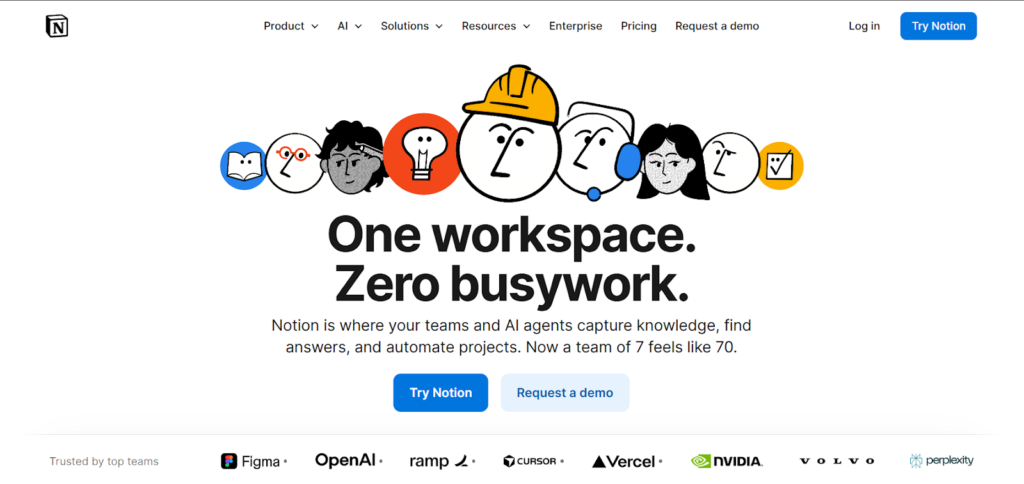
This is how tools like Notion become hard to miss, showing up in Google searches for productivity questions, circulating in LinkedIn posts about team workflows, referenced in AI summaries about knowledge management, and shared in community threads as templates. The repetition across channels compounds, quietly strengthening brand recall over time.
4. Creates Familiarity Through Topic Ownership
When you publish consistently around a small set of themes, your brand starts to get linked to those topics in people’s minds. Buyers begin to associate you with a specific problem space, not just a product category. This also carries over into how AI tools surface brands when answering related questions.
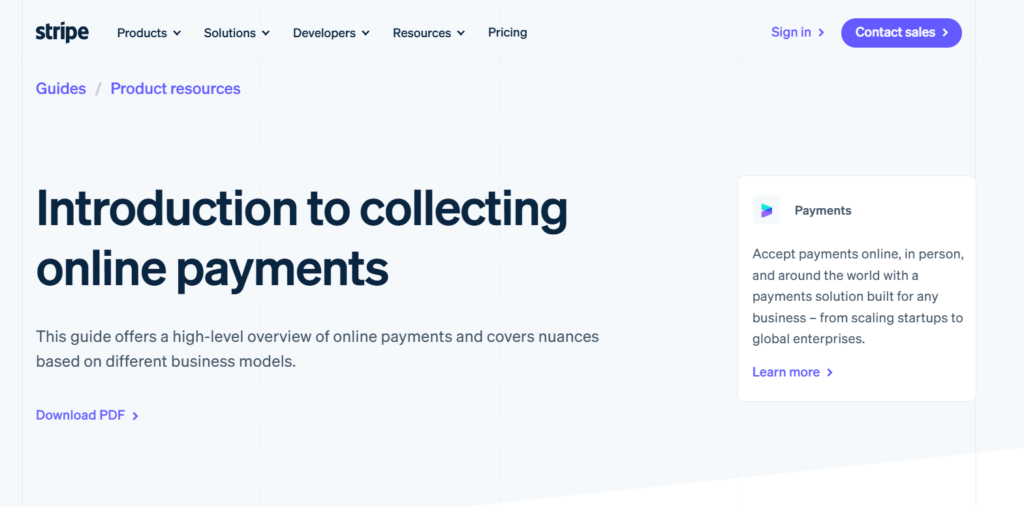
Over time, certain SaaS companies become closely tied to the themes they show up for most. For instance, teams often connect Stripe with online payments and billing infrastructure because so much of its content, documentation, and educational material centers on that exact problem space.
5. Establishes Credibility Without Direct Selling
Helpful, non-promotional content builds brand awareness by shaping how buyers perceive you long before they visit your product pages or talk to sales. When people repeatedly come across your guides, explainers, or practical resources, your brand becomes associated with clarity and usefulness, not just with a tool.
Over time, this creates a quiet form of recognition. Buyers start to remember your name as the source that helped them understand the problem, even if they are not yet evaluating solutions. That early credibility strengthens brand recall and makes your brand feel familiar and trustworthy when it finally enters the buying conversation.
6. Supports Brand Recall During Buying Committees
In B2B, more than one person is involved in the buying decision. Different people research at different times. When your content shows up for each of them, your brand becomes easier to remember inside the group.
This is how recall builds in real buying cycles:
- One teammate reads a guide while exploring options
- Another comes across a checklist during vendor comparison
- A third sees a short post when validating the final choice
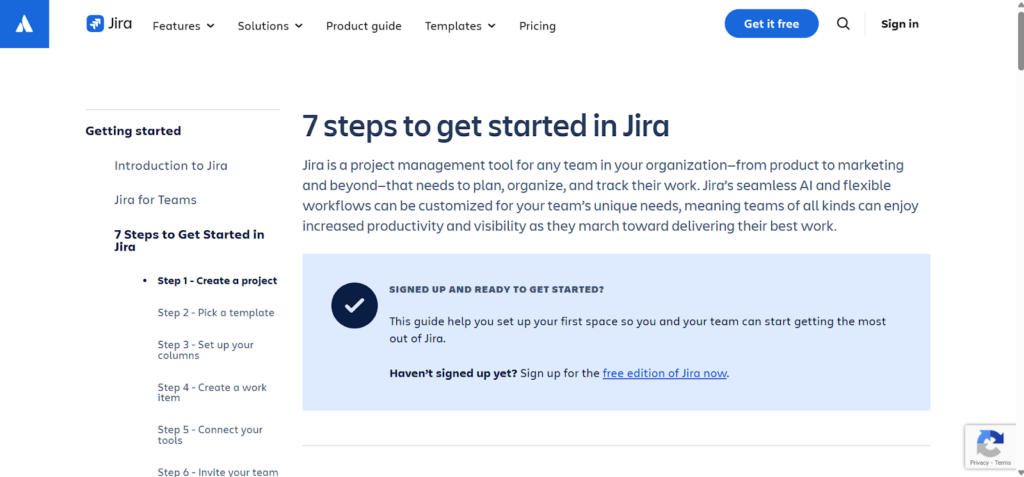
Over time, the same brand name keeps appearing in internal chats and shared links. This is how platforms like Atlassian often stay visible during team discussions, through practical content around workflows, project setup, and team processes. So, the brand feels familiar when the final decision is made.
7. Makes Your Brand Easier to Recognize in Crowded Categories
Many products offer similar features and make similar claims. When every brand sounds alike, buyers struggle to remember who is who. POV-driven content helps your brand stand out by giving buyers a clear sense of how you think about the problem, not just what your product does.
This shapes brand awareness in a more durable way. Instead of recalling a list of features, buyers remember the perspective your brand consistently brings to the conversation. Over time, this recognition makes it easier for your brand to cut through noise, stay top of mind during research, and be recalled when shortlists are formed.
8. Extends Brand Reach Through Distribution and Sharing
Today, content doesn’t just live on your website. It moves through Slack threads, internal docs, LinkedIn reposts, newsletters, and community spaces where real conversations happen. This kind of organic distribution is where a lot of brand awareness is built, because people trust content they discover through peers more than polished brand channels.
Some SaaS brands do this especially well by showing up where users already spend time. Wix, for instance, has built a steady presence in Reddit communities, where team members jump into real threads, share helpful resources, and walk people through practical website problems.
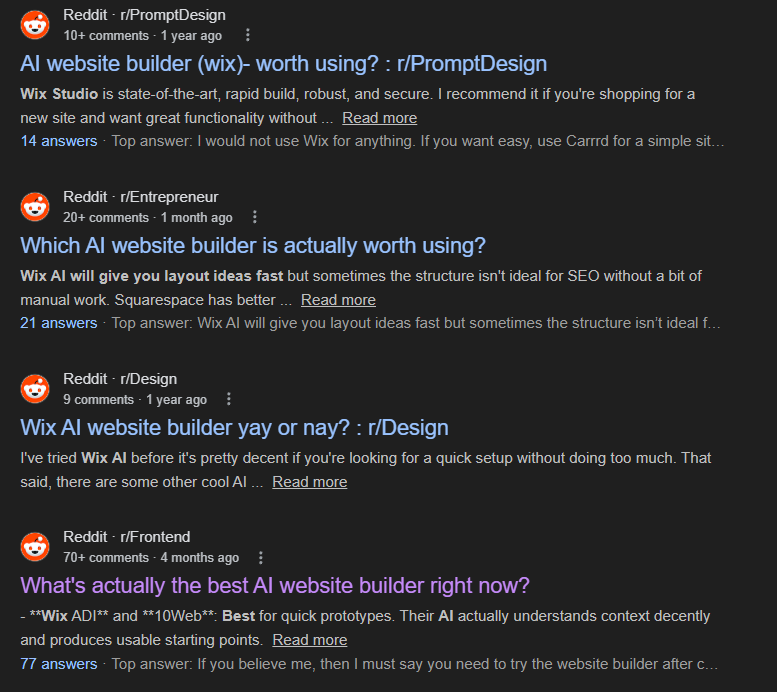
That content then gets saved, shared, and referenced beyond the original thread. Over time, these community touchpoints compound, and your brand shows up not just on your own channels, but across the places where buyers actually hang out and look for answers.
9. Reinforces Brand Authority Through Consistency
When your content shows up consistently and maintains a high standard, buyers begin to associate your brand with stability and seriousness in the category. This steady presence shapes how your brand is perceived, not just how often it is seen. Over time, consistency turns visibility into authority. Your brand moves from being “one of many options” to a familiar, credible name that feels established and dependable when buyers start narrowing down their choices.
10. Improves AI-Led Brand Discovery
Buyers are increasingly using AI tools to get quick answers instead of clicking through multiple links. When your content is structured clearly, with direct answers, simple language, and well-defined use cases, it becomes easier for these systems to understand what your brand does and when to surface it.
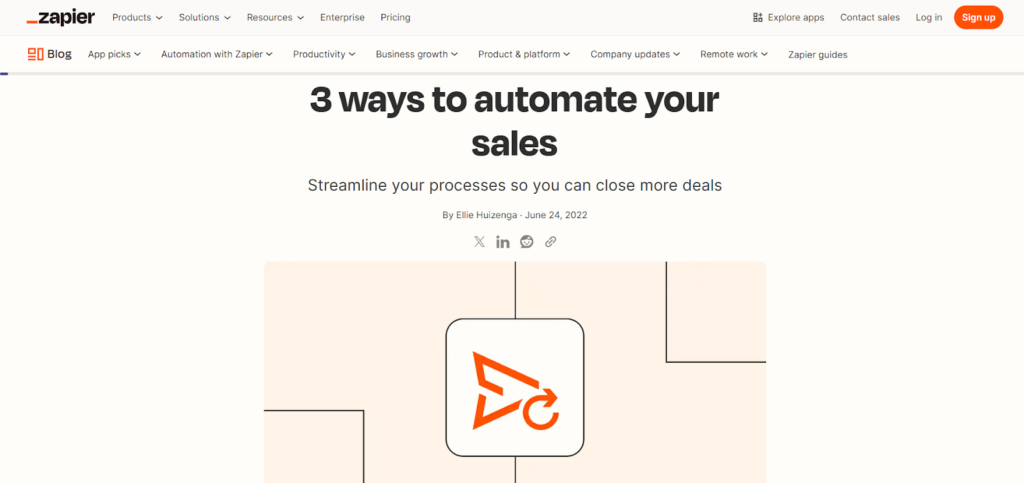
This is why platforms like Zapier often show up when people ask AI tools about connecting apps or automating simple workflows. The brand has spent years publishing clear, use-case-driven content on automation, making it easier for AI systems to reference and recommend during early-stage research.
Conclusion
In B2B SaaS, brand awareness is shaped by where and how often you show up. Content now drives discovery across search, social, communities, and AI tools. Brands that are clear, consistent, and easy to find earn trust early, often before buyers are ready to engage.
At Contensify, we’ve spent over a decade helping SaaS brands turn content into a real growth channel, driving visibility, shaping category presence, and building brand awareness that compounds over time and does not fade after a campaign ends.