Search is evolving faster than ever. Instead of scrolling through endless links, more people are turning to generative engines like Google’s AI Overviews and AI Mode for direct, synthesized answers.
While traffic from large language models converts at nearly 9 times as per Forbes, the rate of traditional search makes AI-driven results not just a shift in user behavior, but a powerful opportunity for businesses to capture high-intent audiences.
And this is where Quora comes in. Its authentic, discussion-based content consistently surfaces in Google’s AI results.
In this blog, we’ll explore how you can use Quora to build authority, grow your brand, and appear in AI search.
Understanding Google’s AI Search Features
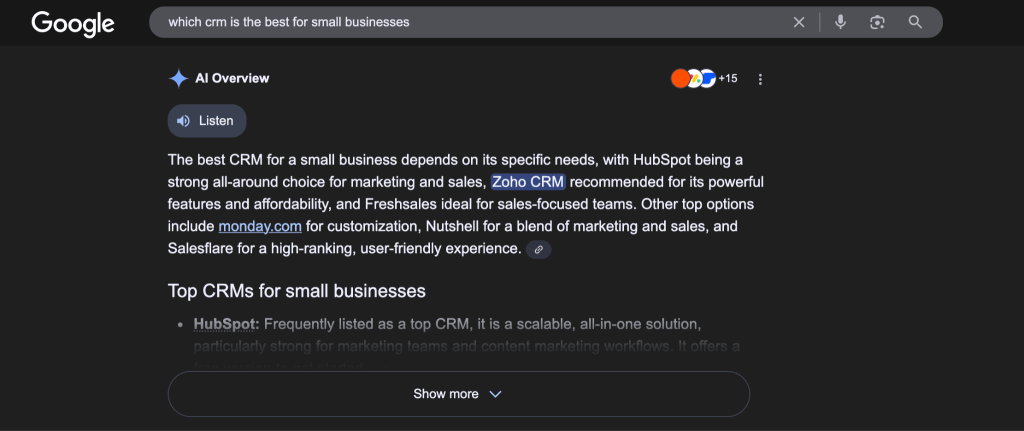
Google has introduced two distinct layers of AI-powered search: AI Overviews and AI Mode.
AI Overviews appear automatically at the top of a search results page. Users don’t opt into them; instead, Google inserts a short, AI-generated summary that blends information from multiple sources. Giving searchers a quick snapshot answer without requiring them to click through.
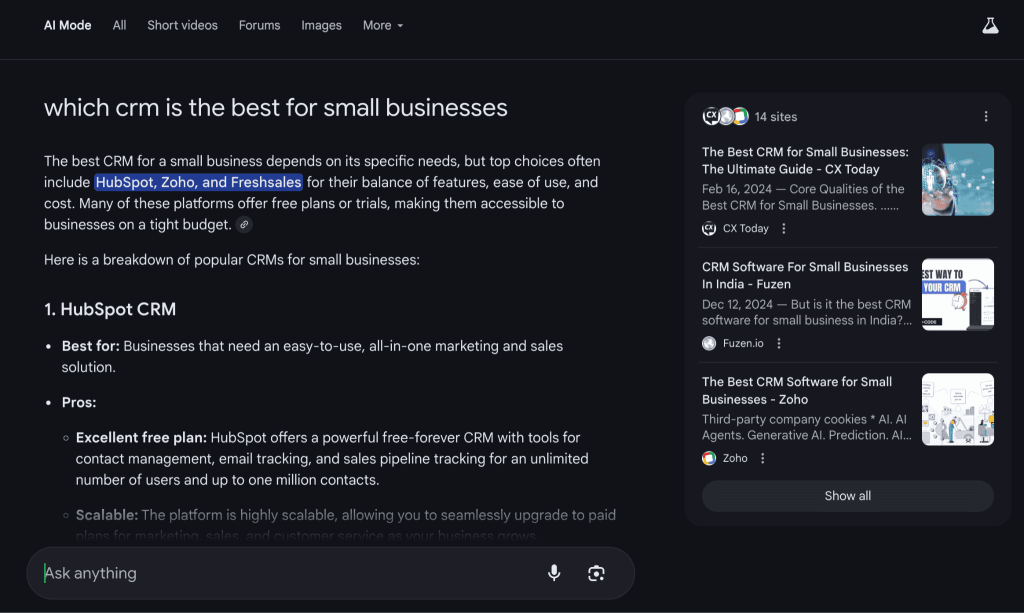
AI Mode, on the other hand, is an opt-in feature. Here, users actively choose to interact with AI for a more in-depth, contextual answer.
Instead of ranking web pages, Google’s AI recommends content from multiple trusted sources as part of its response. You can’t “rank” in AI Mode; you can only be selected and recommended.
So the question becomes: how do you get recommended here?
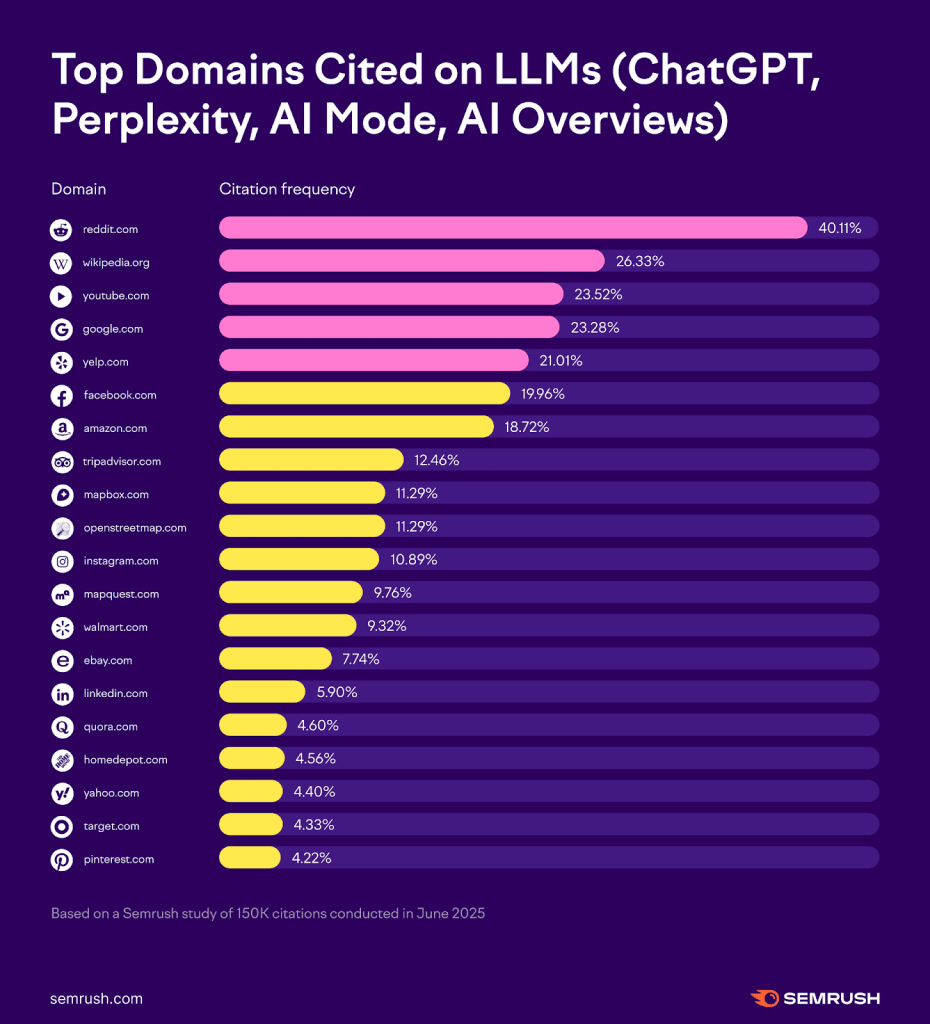
While there can be a lot of answers and ways to this, the one we are focusing on is Quora, which is not only the most cited source in AI Overviews but also consistently appears in the top 4 results within AI Mode.
However, before we dive into strategy, let’s take a step back and understand what makes Quora unique.
Why Quora Matters for AI Search
Quora content is being surfaced repeatedly in Google’s AI Overviews and AI Mode answers, and here’s why that matters:

- Depth, Clarity, and Trust: Google’s AI is trained to prioritize sources that deliver depth, clarity, and trust. Quora’s question-and-answer format naturally fosters content discussions with context, variety, and real explanations, rather than surface-level snippets.
- Evolving Discussions: Unlike static web pages, Quora threads grow over time. Multiple contributors add their perspectives, creating layered discussions. This interaction signals to AI that the content is rich, relevant, and backed by collective knowledge, making it more likely to be cited.
- Human Experience at the Core: AI can summarize, but it can’t live experiences. Quora answers often come from professionals, enthusiasts, and everyday users who share first-hand insights. That human perspective is what sets Quora apart and why AI frequently cites it over generic or auto-generated content.
What Kind of Quora Answers Are Google AI Crawling? (And How You Can Do It)
Semrush’s research into 278,000 prompts and 26,000 Quora URLs cited by Google AI Mode revealed three patterns that explain which answers get picked up and how you can replicate the approach.
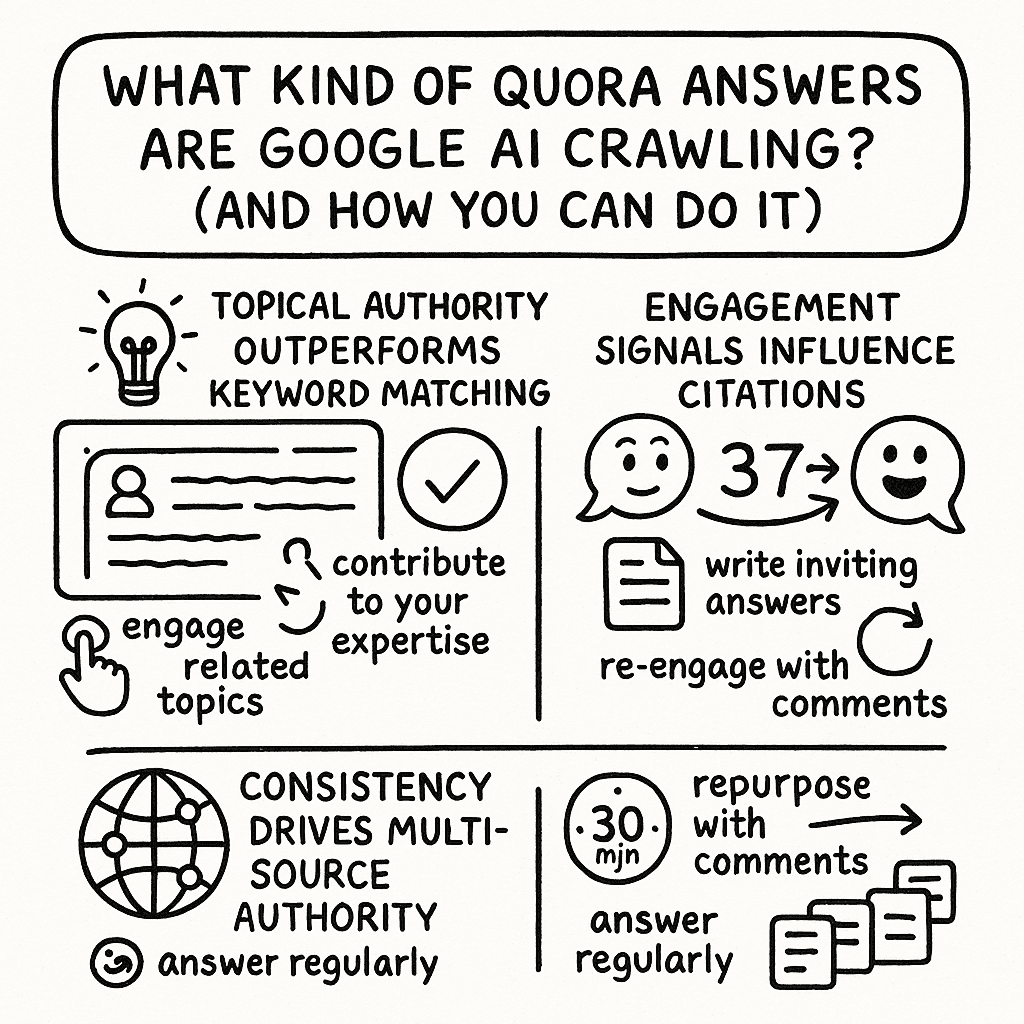
1. Topical Authority Outperforms Keyword Matching
AI systems don’t reward exact keyword matches. Instead, it identifies content that demonstrates domain-level authority and a strong grasp of the subject matter.
It’s not about “What keyword did you use?” but “Do you actually know this space?”. Answers with authentic expertise naturally build credibility, which AI turns into its synthesized results.
How you can do it:
- Contribute to questions directly aligned with your expertise
- Expand reach by engaging with related topics and adjacent questions
- Create and answer new questions where knowledge gaps exist
2. Engagement Signals Influence Citations
Data shows that Quora threads cited in AI Mode average 37 replies. Active discussions with multiple perspectives act as validation signals, indicating that the content is trustworthy and worth surfacing. A thread with multiple voices signals that it represents collective knowledge rather than a single opinion.
How you can do it:
- Write structured answers (~500 words) that invite follow-up questions
- Apply the 80/20 framework: 80% actionable, educational content; 20% light brand context
- Re-engage, respond to comments, add clarifications, and interact with related questions to keep threads alive and visible
3. Consistency Drives Multi-Source Authority
AI Mode pulls from 40–50 sources at once. Brands and individuals who contribute regularly both on Quora and beyond build a multi-source footprint that AI recognizes as authority. Consistency across platforms shows AI that your perspective isn’t isolated but reinforced across different contexts.
How you can do it:
- Dedicate at least 30 minutes weekly to answering on Quora and scale gradually
- Repurpose content across platforms (Quora, Reddit, LinkedIn, Medium) with similar messaging to reinforce expertise
- Build a layered presence that contributes long-form insights, short clarifications, and cross-topic answers to expand reach without diluting authority.
Why Using Subject Matter Experts Is Crucial to AI Mode Visibility
Encouraging subject matter experts (SMEs) to contribute on Quora isn’t always simple. These are “busy individuals”, and getting their buy-in requires showing them why it matters.
The truth is, anyone can now generate content on almost any topic using AI, even without real knowledge. That has driven the baseline for informational content down to near zero.
AI is very good at producing consensus content, but here’s what it can’t replicate or fake:

- First-hand experience: what it’s actually like to do, build, or use something in practice
- Unique perspectives: insights that only come from years of real-world work
- Feedback from the field: the lessons, patterns, and nuances picked up in a sector over time
- Credibility: the authority that comes from attaching a real name, title, or professional reputation
And this matters because people don’t just buy from businesses, they buy from people they trust. Having SMEs share authentic, experience-driven answers on Quora gives your brand an edge, and it’s exactly the kind of content Google’s AI systems are designed to recommend.
Best Practices for Building Authority on Quora
Here are the best practices to build authority on Quora and improve your chances of being cited:
- Quora’s algorithm favors answers that are clear, complete, and relevant. If you mention your brand, do it naturally, focus on being useful first, promotional second. A good rule is the 80/20 balance: 80% helpful content, 20% brand context.
- Links should add context and value, not feel like self-promotion. Stick to 1-2 links per answer, and ensure they help readers go deeper into the topic.
- Structured formatting like headings, bullet points, and step-by-step breakdowns makes your answers easier to scan. It also improves engagement, which increases the likelihood of being cited by AI.
- If no questions exist for your product or service, you can create one yourself. Use the Limited visibility setting so it doesn’t appear on your profile, but still allows your answer to be discoverable and cited.
- Don’t ignore older questions as Quora content is evergreen; a well-written answer can remain relevant and continue attracting traffic for years.
- When answering similar questions, avoid copying answers word-for-word. Customize at least 20-30% of your response to keep it fresh and avoid being flagged as spam.
- Repurpose content from your blog, FAQs, or case studies. Just one or two strong answers a week can compound over time, as Quora answers remain discoverable long-term.
- Having a CEO or senior leader answer questions adds credibility and a human face to your brand.
Common Challenges When Answering on Quora
Here are some of the most common challenges contributors face while answering on Quora:
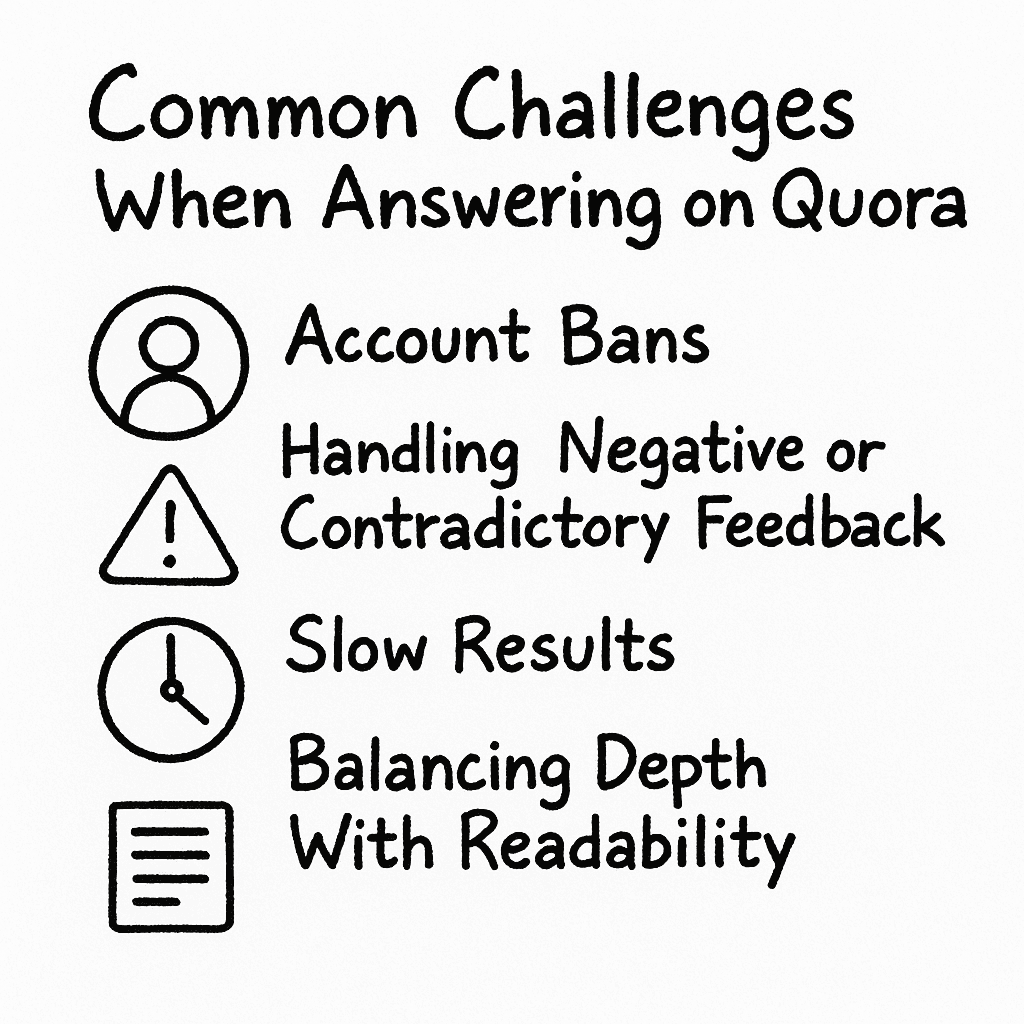
1. Account Bans
Accounts can get banned when users spam, overuse links, violate community guidelines, or publish thin, low-value content. Quora’s moderation is strict, and the platform rewards authenticity. Staying within the rules and focusing on value-first answers is key.
2. Handling Negative or Contradictory Feedback
Not every response to your answers will be positive. Since Quora is community-driven, you’ll encounter disagreements, criticism, or even misleading counterpoints. Respond thoughtfully and add clarity, instead of ignoring or reacting defensively.
3. Slow Results
Getting cited in AI systems and earning recommendations takes time. Think of it as a gradual process where consistent, high-quality contributions compound over months, not weeks.
4. Balancing Depth With Readability
Long, unstructured answers can overwhelm readers, while short, thin content often gets ignored. Aim for structured, mid-length answers (250–400 words) and maintain a steady posting rhythm to combine quality with consistency.
Final Thoughts
With over 400 million active users each month, Quora is a platform businesses simply can’t afford to ignore. Even without the added benefit of AI search visibility, its massive audience makes it one of the most powerful channels for building credibility, authority, and trust.
But making Quora work takes more than just posting; it requires consistency, subject matter expertise, and content that resonates.
That’s where Contensify comes in. We help brands repurpose existing content, craft SME-driven answers, and build a presence that stands out to both Quora’s audience and Google’s AI results.