The winning content playbook for SaaS companies seems straightforward and repeatable, until it isn’t.
Most SaaS content programs target high-volume keywords, publish heavily optimized blogs, and wait for traffic to roll in. And it usually works, at least on the surface.
The problem is, traffic alone doesn’t translate into leads, demos, or conversions, and pain-point SEO changes that.
Pain-point SEO shifts the focus from chasing traffic volume to solving real buyer problems with content, bringing in higher-intent visitors who are actively looking for solutions, not just browsing.
This blog shows why pain-point SEO often delivers stronger ROI for B2B SaaS companies than traditional, volume-first strategies.
What is pain-point SEO?
Pain-point SEO is about creating content that speaks to your customers about the real problems they face and tying those problems back to your product as a solution. It doesn’t work if you chase keywords purely for volume or cover broad topics the old-school way. Pain-point SEO means aligning your content with the challenges your buyers are actively searching to solve.
Let’s compare it with common SEO approaches to see its value:
- Volume-first SEO – It aims to capture as much traffic as possible via broad, high-volume keywords. For example, a B2B SaaS project management tool might target “project management software” (30k+ searches). This drives visibility but doesn’t guarantee conversions because the intent is too broad, and includes – students, freelancers, or casual browsers make up much of the traffic.
- Topic-first SEO – It organizes content around clusters of themes or categories, which helps with authority building but can miss the mark on problem-solving. For instance, content on “project collaboration” may fall short for companies specifically searching for how to fix bottlenecks in project approvals.
Pain-point SEO goes a step further. It prioritizes buyer intent over sheer volume. It focuses on the “real” queries behind keywords, those showing urgency, frustration, or a need for immediate solutions.
A search like “How to Eliminate Bottlenecks in Cross-Team Approvals” signals a buyer already experiencing pain and actively looking for solutions, exactly the type of visitor most likely to convert. And, pain-point SEO targets these types of visitors precisely.

What are the key components of pain-point SEO
- Buyer intent: Focus on high-intent keywords in SaaS that signal someone is in solution-finding mode, not just information-gathering, like “best CRM for B2B sales teams with long deal cycles” vs. “CRM software.”
- Pain identification: Research and understand the most pressing challenges your audience faces, say, operational inefficiencies, cost bottlenecks, or workflow gaps. So, if you’re a billing solutions provider, you can target searches like “manual invoice errors” or “late payment tracking”.
- Solution framing: Positioning your content as the bridge between the problem and your SaaS solution, so the reader sees immediate value in engaging further. For example, a blog on “How to Automate Late Payment Tracking Without Losing Clients” subtly ties back to your platform’s automated invoicing features.
Why is pain point SEO important for B2B SaaS
Here’s how longer sales cycles, multiple decision-makers, and other factors in B2B SaaS make pain-point SEO especially powerful:
Longer sales cycles with multiple stakeholders
B2B SaaS deals often involve teams from product, finance, IT, and operations, each searching with different priorities. Pain-point SEO helps you cover these varied queries, for instance, a CTO might look for “how to ensure data security in SaaS billing systems,” but a CFO searches for “reduce manual invoicing costs.”
Covering these problem-led queries means your content stays relevant, speaking directly to the problems buyers are researching at each stage.
Complexity in use cases and problem descriptions
SaaS products often solve layered problems that buyers describe in different ways. A customer support platform, for instance, might be searched as “reduce ticket resolution time,” “automate support replies,” or “scale customer service without hiring.” Pain-point SEO cuts through this by targeting the underlying problem, not just one broad keyword.
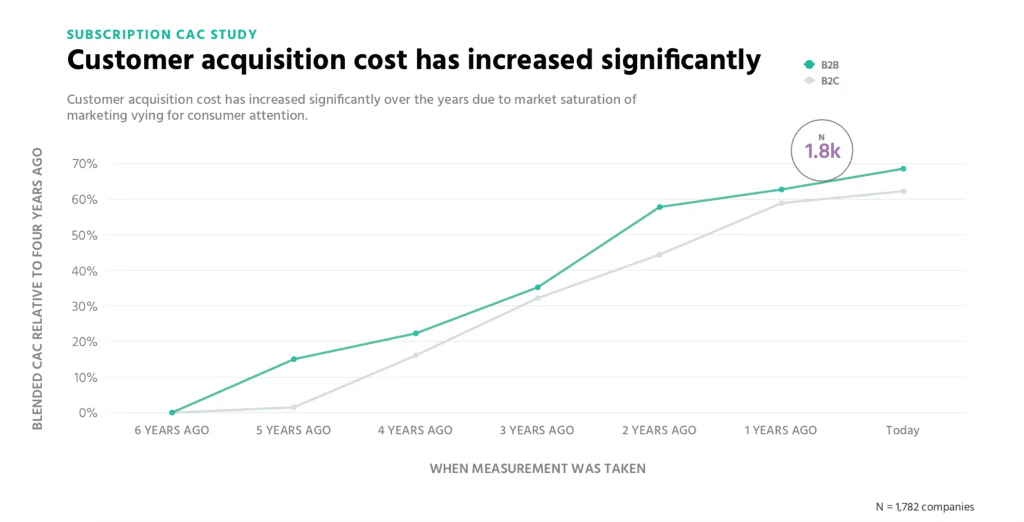
High customer acquisition costs (CAC)
SaaS companies spend heavily on ads, outbound, and events, so traffic without conversions quickly drives CAC up. Pain-point SEO draws in prospects facing the problem, making them more likely to convert. That efficiency lowers overall acquisition costs and makes organic content a stronger growth lever.
Frameworks for pain-point SEO
Thinking in frameworks makes pain-point SEO actionable, and here are the main frameworks you can apply in SaaS:
1. Category keywords (solutions-specific searches)
Target buyers who already know the solution category with intent-rich keywords like “cloud payroll software for global teams” instead of broad terms like “payroll software.” Address frustrations such as compliance errors, tax misfilings, or slow onboarding to connect directly with their pain.
2. Comparison & alternatives content
Tap into high-intent searches from buyers evaluating options, like “Workday vs. Rippling for mid-sized companies” or “alternatives to Zendesk for growing SaaS teams.” Highlight the pain points pushing them to switch, like complex pricing, weak integrations, or poor support.
3. Problem-Solution / How-to content
Create content around the problems buyers describe in their own words, like “how to reduce lead leakage between marketing and sales.” Frame each how-to as a job your SaaS solves, like automating tasks, reducing errors, or improving speed.
4. Use-case & industry-specific content
Different industries describe challenges differently, even if they need the same solution. Tailor content to vertical-specific pains like compliance in healthcare, client billing in agencies, or coordination in remote-first teams.
5. Support-led & troubleshooting content
Some of the best pain-point content comes straight from support tickets, forums, or community questions. By mirroring the buyer’s own language and addressing real problems, you not only solve immediate issues but also build trust and authority.
How to identify real pain points
The most effective pain-point SEO strategies start by uncovering the exact challenges buyers talk about (and in their own words):
Customer interviews and surveys
Speaking directly with customers surfaces frustrations that keyword tools can’t capture. Open-ended questions like “What slows you down the most?” reveal problems in their own words. A billing SaaS might uncover recurring “manual reconciliation headaches” that inspire content around automation.
Sales and customer success feedback
Sales and CS teams hear recurring objections and requests every day, giving you ready-made insight into buyer concerns. Say, if prospects repeatedly ask about HubSpot integrations, that’s a signal worth addressing. Turning these patterns into content builds trust and preemptively answers common questions.
Support tickets, community forums, and Q&A sites
Support tickets spotlight issues actively breaking workflows, and forums show raw, unfiltered frustrations. Suppose developers are consistently complaining about “API rate limits” on GitHub. Addressing such pains through content positions your brand as practical and empathetic.
Review sites and app store reviews
User reviews often highlight the very reasons buyers abandon competitors. If many complain about “rigid dashboards” on G2 or Capterra, that’s valuable input. Content that contrasts your flexibility with these limitations taps into existing dissatisfaction.
Keyword research tools and trend data
Keyword and trend data validate what people actually want help with. Rising searches for “SOC 2 automation software,” for instance, show demand worth capturing. Pairing this data with customer insights ensures content stays both relevant and timely.
Prioritization & planning for pain-point SEO
Not all pain points are created equal, which is why prioritization and planning are key to turning SEO into a measurable impact. Here’s how to get started:
Evaluate intent, volume, and competitiveness
Start by prioritizing keywords with strong buyer intent, even if search volume looks small. A query like “best CRM for B2B SaaS with long deal cycles” may drive fewer clicks but higher-value leads. Balancing intent with keyword difficulty helps avoid wasting effort against entrenched enterprise players.
Map pain points to the buyer journey
Different queries signal different stages of the buyer’s journey. Address each stage, like “What triggers a SOC 2 audit?” targets awareness, and “Stripe Billing vs. Chargebee” targets the decision stage. This mapping builds trust, keeps your content relevant throughout the funnel, and guides buyers seamlessly forward.
Plan resources for execution and promotion
Effective pain-point SEO requires more than writing blog posts. Subject matter expertise, SEO optimization, visuals, and repurposing into formats like LinkedIn carousels or sales one-pagers all matter. Planning these resources upfront ensures your content doesn’t sit unfinished or underutilized.
How to write and optimize pain-point SEO content
Prioritization is only half the battle because the real results come from how well you execute. Here’s how to write and optimize pain-point SEO content that ranks, resonates, and converts:
Structure content around the buyer’s problem
Strong pain-point content flows from defining the problem, to showing its impact, to presenting solutions, and finally positioning your product as one option. This sequence makes the narrative both natural and persuasive. For example, framing failed payments as revenue leakage before introducing automation keeps the focus on buyer needs.
Optimize for on-page SEO and intent alignment
The goal isn’t stuffing keywords but aligning with the searcher’s intent. Use primary and related terms naturally in titles, headings, and body copy, and interlink related articles to nurture the buyer journey. This approach strengthens SEO while helping readers move closer to a decision.
Prioritize UX, readability, and trust signals
Content only works if it’s easy to read and credible. Clear formatting, visuals like tables or diagrams, and short paragraphs keep readers engaged. Adding proof points, such as mini case studies or testimonials, further builds trust by showing the solution’s real-world impact.
Promoting & distributing pain-point SEO content
Even the best content won’t drive impact if it stays hidden. Here’s how you can promote and distribute your pain-point SEO content to ensure it reaches the right people at the right time:
Leverage email for direct distribution
Email is still one of the most efficient ways to reach existing users, leads, and prospects. By segmenting your list, you can target pain-point content to the audiences most likely to engage. For instance, a SaaS analytics platform might send finance leaders a guide on reducing revenue leakage from missed invoices.
Engage with relevant communities and forums
Niche spaces like LinkedIn groups, Reddit threads, or SaaS-specific forums provide built-in trust and visibility. Share content that addresses ongoing challenges, but be careful not to sound promotional. For example, a DevOps SaaS could join discussions on GitHub or Kubernetes Slack channels by offering troubleshooting insights.
Republish and syndicate strategically
Repurposing content on platforms like Medium, industry blogs, or curated newsletters extends your reach without extra production. A productivity SaaS could, for instance, syndicate an article on eliminating cross-team bottlenecks in a remote work newsletter.
Create supporting content formats
Different audiences prefer different content types, making repurposing essential. You can turn high-performing articles into short videos, infographics, or webinars to maximize impact. Like, a marketing automation SaaS might turn a blog on lead scoring into a webinar that blends education with a live product demo.
Measuring & demonstrating pain-point SEO ROI
For B2B SaaS teams, ROI isn’t just about traffic, and pain-point SEO proves its value by driving conversions and pipeline impact. Here’s how to measure and demonstrate it:
Track early performance metrics
Start by monitoring leading indicators like impressions, keyword rankings, and growth of high-intent keywords. Early traction also shows up in form fills, demo requests, or trial signups tied to pain-point content.
For example, a SaaS security platform could see a newly published “SOC 2 audit challenges” guide jump from position #45 to #8 in three months, generating the first 10 demo requests directly tied to that article.
Measure mid- and long-term business impact
The true ROI of pain-point content lies in pipeline contribution and SQL generation. Because it aligns with urgent buyer needs, it often converts at higher rates and can even influence upsells, retention, or expansion revenue.
Use attribution models to capture the full picture
Last-click attribution often underestimates SEO’s role in long B2B sales cycles. Multi-touch models (first click, assisted, last click) reveal how content supports buyers across the funnel. It’s also important to highlight the long-tail effect of evergreen pieces, like a year-old GDPR checklist that still drives first-touch interactions for a significant share of deals.
Case studies & benchmarks for pain-point SEO in SaaS
The strongest proof for pain-point SEO isn’t theory, it’s numbers. We’ve run campaigns where targeting urgent, high-intent problems consistently outperformed volume-driven strategies on both conversions and pipeline impact. These case studies show that pain-point content doesn’t just bring traffic, it brings the right kind of traffic – buyers who are already close to taking action.
1. ZenAdmin
An IT procurement SaaS platform, ZenAdmin has several competitors – direct and indirect, in the startup ecosystem. To help them drive higher impact through content and get demo requests, we started to turn the pain points stated in competitor reviews and during sales conversations into content topics. The change in strategy led to 2.7x higher conversions from the content hub alone.

2. Graas
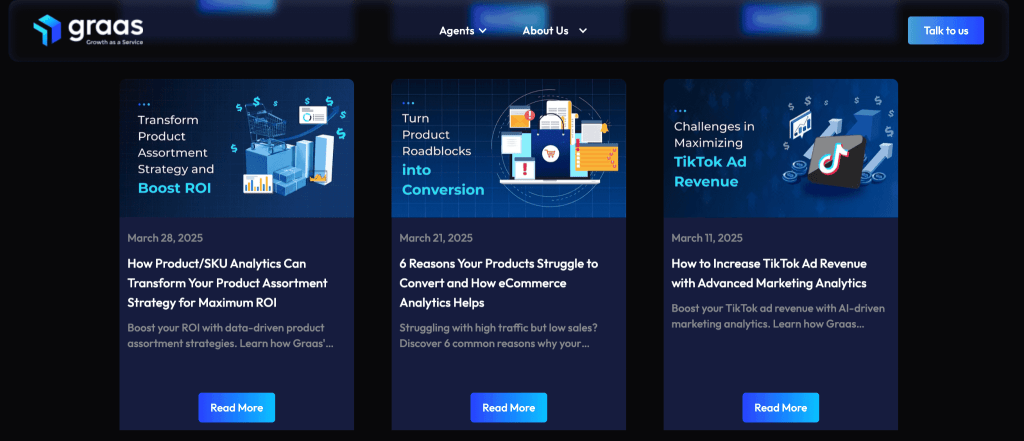
An eCommerce growth automation platform, Graas competes with leading marketing automation and analytics tools for social media as well as marketplaces. So we started to dig deeper into the specifics of what was still a pain point despite the current solutions available. These turned into content topics that weren’t ‘long’, but were definitely driving 1.3x higher conversions.
Some of the best wins we’ve seen include pain-point content generating demo requests within the first month, articles built around specific frustrations converting far better than high-volume awareness content, and sales cycles shortening with leads sourced from pain-focused articles.
Industry data and public benchmarks back this up. For example, First Page Sage’s 2025 report shows SEO-led funnels produce an average 2.1% visitor-to-lead conversion rate, with significantly higher downstream conversion (Lead → SQL) among intent-focused traffic.
Want to see similar results? Contact our team of B2B SaaS SEO experts today.
Common mistakes in pain-point SEO for B2B SaaS
Even strong strategies can stumble, but you can protect ROI by avoiding these common pain-point SEO mistakes:
Targeting irrelevant or weak problems
Content that doesn’t address urgent, high-impact pains rarely resonates with buyers. Articles on minor issues may still attract clicks, but they won’t move qualified leads forward. Focusing on core challenges like deal visibility in a CRM or compliance bottlenecks in a SaaS makes the content far more valuable.
Chasing traffic over conversions
High-volume keywords may look impressive, but they rarely deliver ROI if intent is weak. In B2B SaaS, a smaller, high-intent audience will almost always create more pipeline than thousands of casual readers. Success should be measured in SQLs and revenue impact, not vanity traffic.
Failing to refresh content as pain points evolve
Customer challenges shift with new tools, regulations, and market conditions. A piece that once felt timely can quickly go stale if it’s not updated. Refreshing older articles keeps them aligned with current buyer language and ensures they stay competitive in search.
Weak internal linking and site structure
Even strong content underperforms if it’s isolated. Without internal links to product pages, related resources, or CTAs, buyers lack a path forward. Every article should tie directly into the broader funnel and guide readers to the next logical step.
Next steps
The fastest way to turn SEO from a traffic play into a revenue engine is to focus on your buyer’s pain points.
Focusing on customer pain points delivers higher ROI for SaaS because it attracts buyers who are already motivated to act and convinces them to take action. You do not chase vanity traffic, but build trust and influence pipeline by solving urgent, high-intent problems.
To get started with pain-point SEO, here’s a quick checklist:
- Identify and prioritize the top challenges your buyers face through interviews, support tickets, and sales feedback.
- Prioritize keywords based on intent, not just search volume.
- Map pain-point content to different funnel stages (awareness, consideration, decision).
- Structure content around problem → impact → solution → your product.
- Repurpose and distribute content across email, communities, and social media platforms.
- Track ROI using multi-touch attribution and long-term benchmarks (SQLs, pipeline, retention).
If you’re ready to turn your SaaS content program into a pipeline driver without the heavy lifting, Contensify can help. Contensify helps SaaS brands turn content into a predictable revenue engine, combining strategy, execution, and measurable impact.