In 2024 alone, the global SaaS market was valued at roughly $317.55 billion, and by 2032, it’s predicted to cross the trillion-dollar mark ($1,228.87 billion).
With around 42,000 SaaS companies now operating globally, competition is fierce.
About 60% of these companies are concentrated in the United States. To succeed in such a crowded space, standing out has become essential.
This makes your landing pages more important than ever.
Your SaaS landing page isn’t just a digital showcase; it’s where visitors decide whether your product is worth their time.
But here’s the reality: SaaS landing pages average only about a 3.8% conversion rate, making them one of the most challenging sectors for turning visitors into paying customers.
So, what sets apart the best SaaS landing pages?
That’s exactly what you’ll discover in this post. We’ll explore top-performing landing pages, show you what’s working, and break down why these convert so effectively.
The Must-Have Pages for SaaS Companies
Landing pages are your opportunity to guide visitors through their buying journey, helping them decide if your product is the right fit. Here are five essential types of landing pages that every SaaS company needs:
1. Features Pages
Feature pages are dedicated landing pages that focus on one specific capability of your SaaS product.
Instead of showing everything at once, they dive deep into a single feature, what it does, how it works, and the value it delivers.
These pages are not just product explanations. They are built to educate, demonstrate real use cases, and support user decision-making at a more technical level.
Why They Matter for SaaS
Buyers often evaluate SaaS tools based on one or two must-have features. A detailed, well-structured feature page gives them the clarity they need. It also allows you to speak directly to niche use cases, which makes your product feel more relevant and tailored.
From an SEO standpoint, feature pages help you rank for long-tail, intent-rich keywords like “email automation for ecommerce” or “CRM with reporting tools.”

Take HubSpot’s “Email Marketing” feature page as an example. It explains the feature and how it works within the platform, including benefits, visuals, FAQs, and links to related tools. This level of depth supports both users and search engines, creating a page that informs, ranks, and converts.
2. Solution Pages
Solution pages are designed to show how your SaaS product solves specific problems for a particular audience or use case.
These pages shift the focus from features to outcomes, connecting your tool to real challenges faced by real users.
They are often structured around industries, roles, or scenarios like “CRM for real estate teams” or “marketing automation for ecommerce brands.”
Why They Matter for SaaS
These pages help visitors quickly understand how your product fits into their context. Instead of forcing them to figure it out themselves, you guide them with messaging, visuals, and use cases tailored to their needs.
Solution pages also attract higher-quality leads, since they speak directly to the goals and challenges of targeted personas. They create clarity, relevance, and trust earlier in the decision-making process.
Feature pages explain what your product can do. Solution pages explain why it matters to a specific audience and how it can solve their problems.
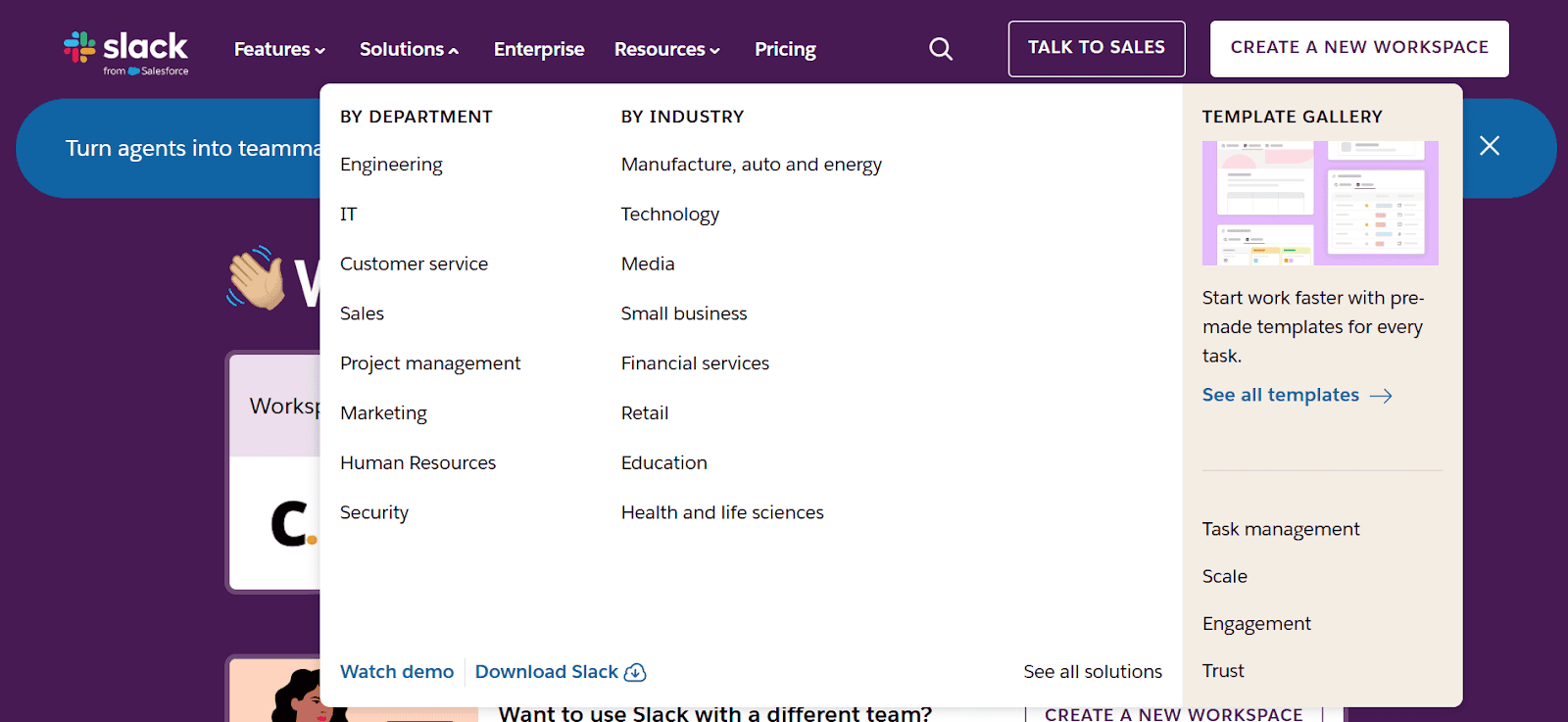
Slack’s solution pages are a great example of this.
For remote teams, Slack addresses communication silos and lack of alignment by showing how channels, integrations, and workflows can bring structure to dispersed teams.
For enterprises, the messaging shifts to security, scale, and compliance. Each page adapts the core product to the audience’s priorities, making the experience personalized and purpose-driven.
3. Migration Pages
Migration pages are created to guide users ready to switch from a competing SaaS product to yours. These users already know what they want but are often hesitant about the effort it takes to make the move.
A strong migration page removes that hesitation. It outlines the migration process, how long it takes, what support is available, and what users can expect post-switch.
Why They Matter for SaaS
These pages benefit SaaS companies in two powerful ways.
First, they provide clarity. By showing prospects exactly how easy it is to move their data, workflows, or teams, you remove one of the biggest barriers to conversion.
If switching feels simple and supported, it becomes easier for customers to say yes.
Second, they help you control the narrative. Even when users are ready to move on from your platform to another, having a migration page for that process keeps your brand visible.
For example, GoDaddy’s migration page to Microsoft 365 captures hundreds of users planning to leave, but instead of disappearing from the conversation, GoDaddy stays helpful, relevant, and present. That alone creates an opportunity to retain or re-engage.

SaaS Examples
Omnisend does this well with a migration page focused on users leaving other email platforms. It walks them through the steps, emphasizes ease, and positions the brand as welcoming and prepared.

4. Alternative Pages
Alternative pages attract prospects exploring other solutions in the market and position your SaaS product as the better choice.
These users are not new to the category; they’re actively considering a switch and looking for a more effective alternative.
In SaaS, these pages often take the form of blog posts such as “Top [Competitor] Alternatives.”
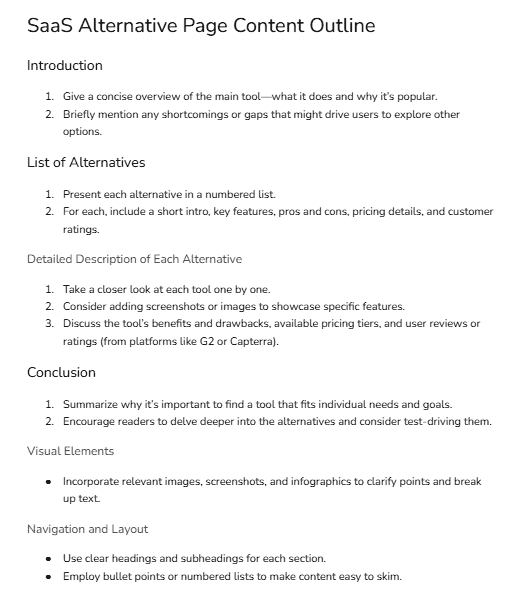
This format allows for strategic keyword targeting while presenting your product among other legitimate options in a neutral, helpful tone.
Why They Matter for SaaS
Alternative pages are built for high-intent traffic. Visitors here are solution-aware and close to making a decision. These pages help you intercept that decision process by addressing common pain points and offering a clear path.
From an SEO perspective, they’re ideal for ranking on competitor-focused queries like “alternatives to [Competitor],” which typically have high purchase intent and lower keyword competition.
SaaS Examples
NimbusPost targets users who are evaluating shipping platforms with its “Top Shiprocket Alternatives in India” blog. The article offers balanced insights while naturally positioning NimbusPost as a faster, cost-effective option.

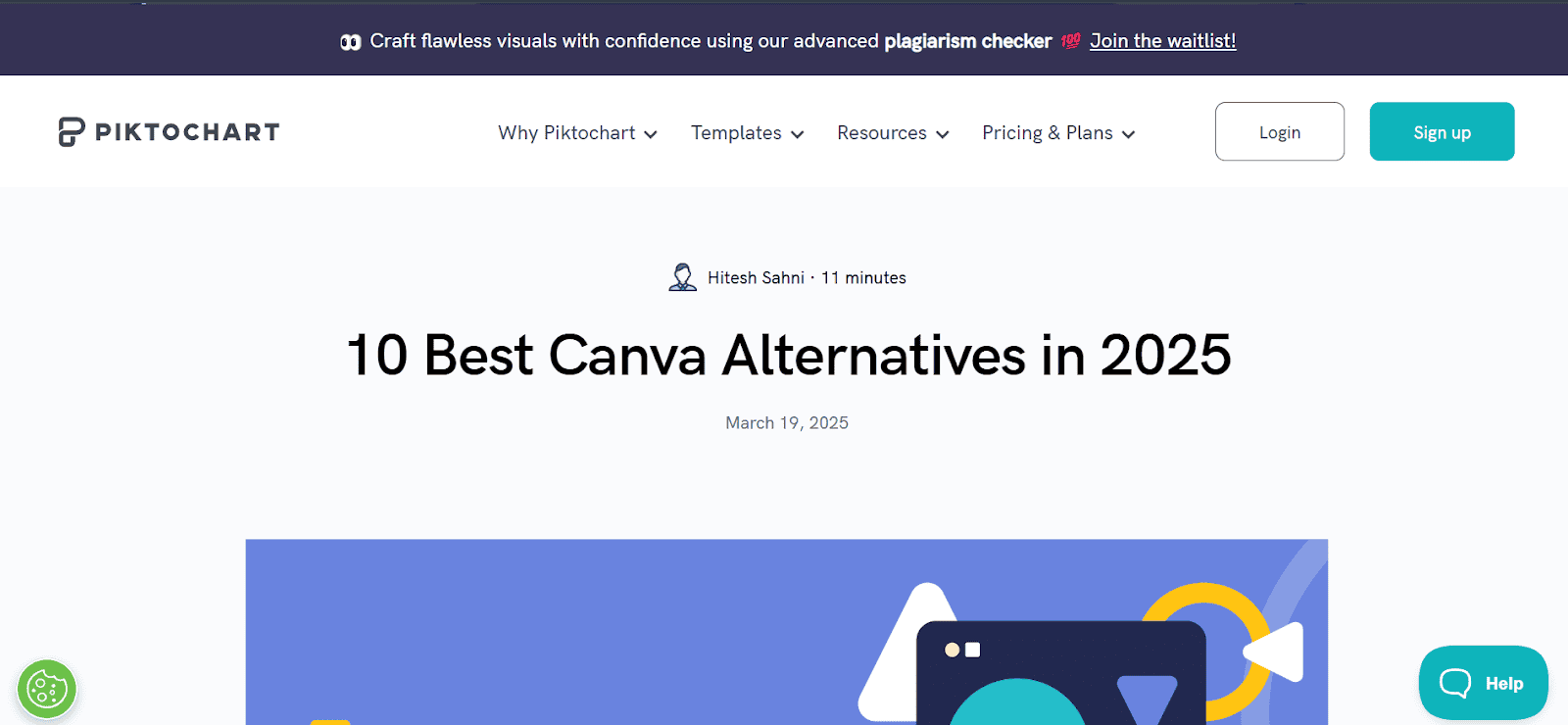
Piktochart reaches design-focused users through its “Canva Alternatives” article, presenting itself as a brand-consistent, easy-to-use alternative for teams.
5. Comparison Pages
Comparison pages allow users to choose between your product and a direct competitor. They’ve already identified the type of solution they need at this stage. Now, they want to understand the differences, clearly and confidently.
These pages typically include side-by-side feature breakdowns, pricing comparisons, usability insights, and often, real user feedback. They’re structured to help the buyer decide, not explore options, but pick one.
Why They Matter for SaaS
A clear, well-structured comparison page can be the final push a user needs to choose your product. When done right, it builds trust by showing you’re not afraid of transparency. It also saves the user from hunting through review sites or scattered forums to piece things together independently.
If you’re wondering how comparison pages differ from alternative pages, it comes down to intent.
Alternative pages speak to users who are still exploring the landscape. They’re unsure who to go with and are open to different paths.
Comparison pages, on the other hand, speak to users who have already narrowed it down. They’re deciding between you and one other tool. And they want specific details.
SaaS Examples
Notion compares itself with Evernote by highlighting how it moves beyond static notes to a more dynamic, all-in-one workspace. The page is clean, direct, and speaks to evolving user needs.

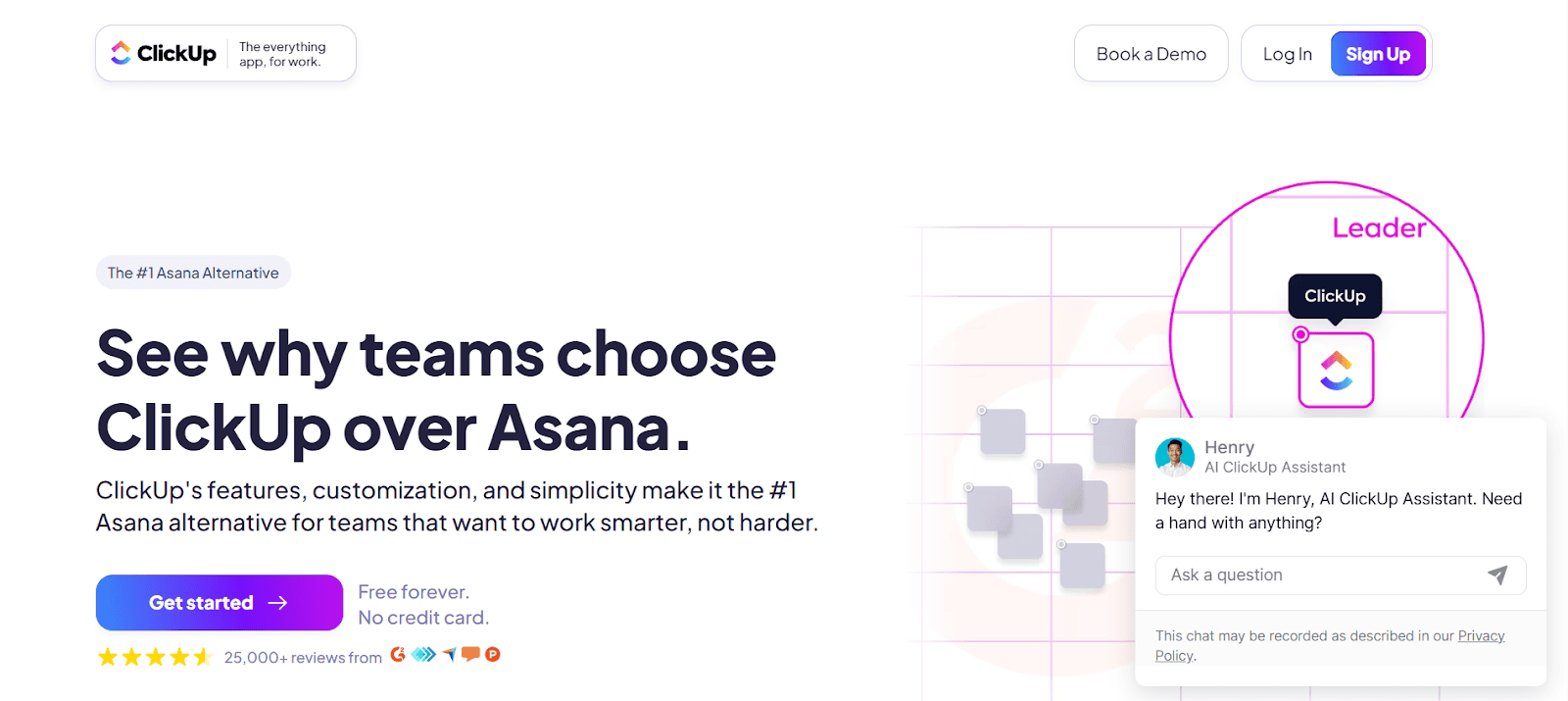
ClickUp presents detailed comparisons with tools like Asana and Trello. It focuses on how it replaces multiple apps, offers deeper customization, and helps teams manage everything in one place.
Conclusion
Each of these SaaS landing pages serves a distinct purpose and plays a key role in guiding users through their decision-making journey. However, they must be strategically planned with the right messaging, structure, and timing to drive results.
At Contensify, we specialize in helping SaaS brands create well-written content built for growth. From high-intent landing pages to full-funnel content strategies, we focus on what drives traffic and converts users.
Ready to grow organically and convert smarter?