Most SaaS companies don’t struggle with creating content.
They struggle with creating content that changes outcomes.
Blogs are published. Social posts go live. Case studies sit neatly on the website.
And yet, pipeline impact is unclear, sales cycles remain long, and content is often treated as a support function rather than a growth engine.
The issue isn’t format.
It’s the intent that they haven’t catered to.
High-impact SaaS content isn’t defined by whether it’s a blog, video, carousel, or ebook. It’s defined by what it helps the buyer believe, understand, or decide.
And that’s why even today, we only have a handful of companies that are known for their content strategies.
In this post, we’re listing out the different types of content every B2B SaaS company needs to include.
Types of Content Every B2B SaaS Company Needs (2026)
Let’s take a look at what we’re recommending to our clients at Contensify:
1. Social Proof Content – “People like you trust this.”
What it is
Social proof content demonstrates evidence of trust, usage, and outcomes, without overt selling.
What it looks like
- Short customer stories
- Quotes embedded inside blogs and landing pages
- Screenshots of feedback or results
- Credible mentions and partnerships
- Directional before/after outcomes
Why it moves the needle
- Reduces perceived risk
- Builds confidence silently
- Influences decisions without requiring clicks
- Supports sales without sounding promotional
2. Founder Story Content – “Why this company exists.”
What it is
Founder story content explains the why behind the product, not just the what.
What it looks like
- Origin stories rooted in real problems
- Personal lessons from building the company
- Key decisions and trade-offs
- Failures and pivots, not just wins
Why it moves the needle
- Buyers trust people before products
- Creates emotional differentiation
- Builds long-term brand recall
- Makes the company feel intentional
3. Thought Leadership Content – “How we see the world.”
What it is
Thought leadership content shows how your team thinks about the market, not how good your product is.
What it looks like
- Opinionated takes
- Contrarian perspectives
- Market reframes
- Second-order insights others miss
Why it moves the needle
- Positions you as a guide, not a vendor
- Attracts better-fit buyers
- Builds trust before sales conversations
- Compounds authority over time
4. Pain-Point Content – “This is exactly my problem.”
What it is
Pain-point content articulates frustrations buyers feel but struggle to name.
What it looks like
- Naming broken workflows
- Highlighting hidden costs
- Describing daily friction
- Emotional resonance, not jargon
Why it moves the needle
- Creates instant recognition
- Pulls readers deeper into the journey
- Builds empathy-based trust
- Increases conversion naturally
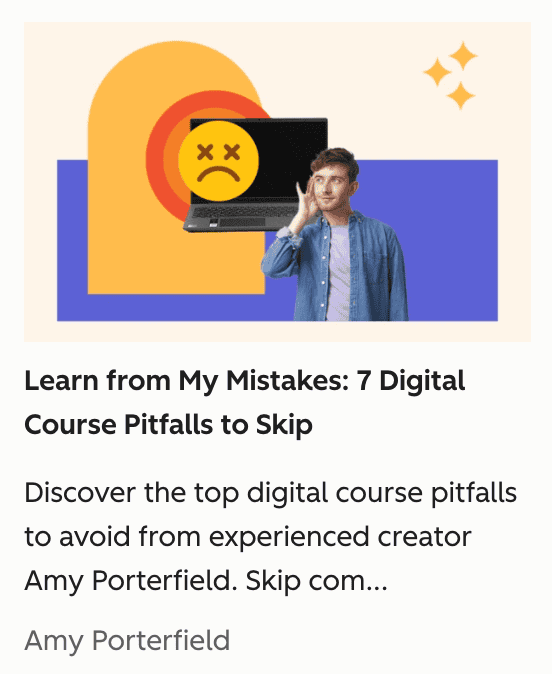
Here’s an example from HubSpot:
5. Problem-Solving Content – “Here’s how to think about this.”
What it is
Content that teaches buyers how to reason through a problem—not just what tools to use.
What it looks like
- Step-by-step breakdowns
- Decision frameworks
- Trade-off analysis
- Clear prioritisation logic
Why it moves the needle
- Positions your brand as competent
- Pre-educates prospects
- Shortens sales cycles
- Shapes evaluation criteria
6. Step-by-Step Content – “Show me exactly how.”
What it is
Execution-focused content that removes ambiguity.
What it looks like
- Clear workflows
- Practical how-tos
- Real examples and scenarios
- Warnings about what not to do
Why it moves the needle
- Reduces cognitive load
- Builds trust through clarity
- Appeals to operators
- Becomes reference material
7. Comparison & Alternatives Content – “Help me choose.”
What it is
Decision-stage content that acknowledges buyers are already comparing options.
What it looks like
- “X vs Y” pages
- Alternatives breakdowns
- Honest limitations and strengths
- Contextual feature comparisons
Why it moves the needle
- Captures high-intent demand
- Builds credibility through transparency
- Influences late-stage decisions
- Converts better than generic product pages
Here’s an example from BigCommerce:
8. Narrative Content – “Make this make sense.”
What it is
Narrative content connects dots and explains why things are happening.
What it looks like
- Market narratives
- Trend explanations
- Cause-and-effect storytelling
- Essays instead of lists
Why it moves the needle
- Improves understanding and recall
- Positions your brand as insightful
- Reduces buyer confusion
- Supports long-term authority
Here’s an example of this type of content from Semrush:

9. Validation Content – “This actually works.”
What it is
Content that reinforces belief after interest is already created.
What it looks like
- Mini case studies
- Contextual results
- Lessons learned
- Implementation insights
Why it moves the needle
- Reduces hesitation
- Supports internal buy-in
- Makes ROI tangible
- Strengthens confidence before conversion
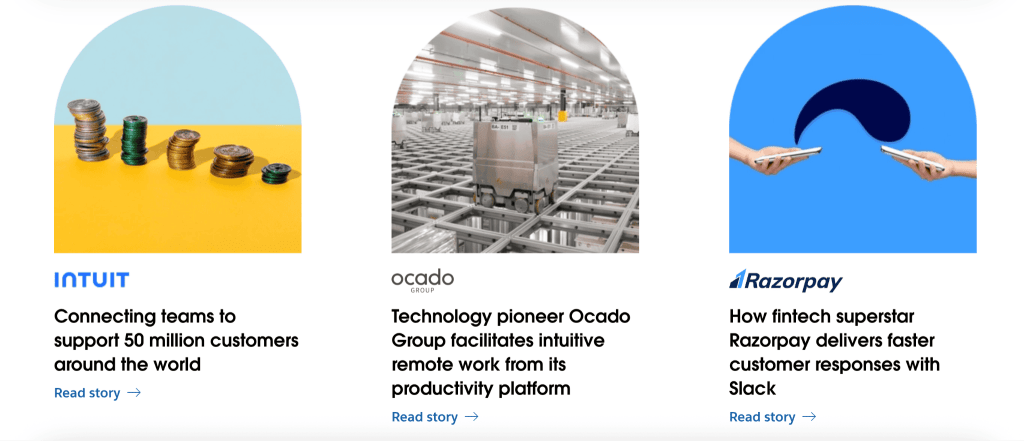
Here are some examples from Slack:
10. Risk-Reversal Content – “What could go wrong and why it won’t.”
What it is
Content that addresses fear, uncertainty, and downside risk proactively.
What it looks like
- When your product is not a fit
- Common implementation risks
- Trade-offs and limitations
- What breaks at scale
Why it moves the needle
- Buyers are loss-averse
- Transparency builds trust faster than persuasion
- Converts skeptics
- Makes sales conversations easier
11. Unlearning Content – “What you believe is outdated.”
What it is
Content that helps buyers unlearn old assumptions before adopting new approaches.
What it looks like
- Challenging common advice
- Explaining why old playbooks fail
- Calling out cargo-cult best practices
- Reframing success metrics
Why it moves the needle
- Change requires belief replacement
- Makes your approach feel inevitable
- Positions competitors as outdated
- Builds category authority
12. Decision-Enablement Content – “Here’s how to decide.”
What it is
Content designed to help buyers make a decision, not just learn.
What it looks like
- Decision trees
- Readiness checklists
- “If this, then that” guidance
- Stakeholder-specific explanations
Why it moves the needle
- Reduces analysis paralysis
- Accelerates pipeline velocity
- Supports collaborative buying
- Makes content sales-adjacent without being salesy
13. Internal Champion Content – “Help me sell this internally.”
What it is
Content built for the internal advocate pushing your product inside their organisation.
What it looks like
- Internal pitch narratives
- ROI justifications
- Objection-handling language
- Simple explanations for non-experts
Why it moves the needle
- Most deals are won or lost internally
- Champions need ammunition
- Improves close rates
- Helps deals survive scrutiny
14. Context-Setting Content – “Is this the right time?”
What it is
Content that explains when a problem is worth solving—and when it isn’t.
What it looks like
- Maturity-based guidance
- “Signs you’re ready” content
- Cost-of-waiting narratives
- Stage-specific advice
Why it moves the needle
- Attracts better-fit customers
- Reduces churn
- Builds trust through honesty
- Improves lifetime value
15. Post-Purchase Reinforcement Content – “You made the right decision.”
What it is
Content that reassures buyers after they’ve converted.
What it looks like
- Early-win narratives
- Implementation reassurance
- What success looks like in 30-60 days
- Normalising early friction
Why it moves the needle
- Reduces buyer’s remorse
- Improves activation
- Increases retention and advocacy
- Turns customers into promoters
Conclusion
The SaaS companies that win with content aren’t producing more.
They’re producing content that reduces risk, builds belief, and helps people decide.
At Contensify, we don’t treat content as isolated assets or vanity metrics.
We design content systems that influence buying decisions across the entire journey—before, during, and after conversion.
Because content that doesn’t change decisions, doesn’t move the needle.
Need help creating a content strategy that actually puts your best food forward? Reach out to us.