If you think targeting small search volumes isn’t worth it, think again!
Many marketers assume that if hardly anyone is searching for a term, the traffic will be too small to matter. This mindset is especially common in B2B SaaS companies chasing quick wins and high traffic, particularly in the growth stage.
But here’s the thing: that line of thinking is a bit short-sighted.
Small search volume keywords are often high-intent, easier to rank, and surprisingly effective at converting the right audience. A smart strategy around them can deliver better ROI than chasing broad, competitive terms.
In this post, we’ll explore why small search volume keywords can unlock hidden SEO opportunities, and how even tiny traffic can translate into real business wins.
Defining Small Search Volume Keywords
In B2B SaaS, “small search volume” is about relative opportunity, not absolute traffic. Keywords with few searches can attract high-intent users, niche problems, or specific use cases, making them easier to rank for and more likely to convert than generic, high-volume terms.
So, what counts as “small”? It varies by niche, but a common framework is:
- Tiny volume: <20 searches/month
- Small: 20-100 searches/month
- Moderate: 100-500 searches/month
The exact numbers depend on your niche and target audience. For highly specialized SaaS products, even a keyword with 50 monthly searches could drive high-quality leads and meaningful ROI.
Tools & methods to identify small search volume keywords
Finding these keywords is much easier with the right tools. Use SEO platforms like Ahrefs, SEMrush, Moz, or Google Keyword Planner to filter by volume and competitiveness. This helps uncover long-tail keywords B2B SEO teams often overlook, or phrases that capture very specific pain points or product comparisons.
It’s a shift in approach from targeting broad terms like “best project management tool” to more specific ones like “best project management tool for distributed SaaS teams.” The search volume may be small, but the traffic it brings is highly qualified.
Types of small search volume keywords
Small-volume keywords usually fall into four main categories:
- Bottom-of-funnel: Highly transactional, e.g., “compare X vs Y SaaS”
- Comparison: Weighing options against competitors
- Niche use-case: Specific segments, e.g., “SaaS onboarding automation for FinTech”
- Problem/solution: Pain-point focused, e.g., “how to reduce churn in subscription SaaS”
Even with low search volume, these keywords can drive meaningful conversions.

Why Small Search Volume Keywords Matter: Key Benefits
Sometimes the keywords nobody’s chasing are the ones that can completely change your SEO game. Here’s why small search volume keywords deserve more attention than you might think:
Higher conversion intent
Small search volume keywords usually reflect very specific problems or needs. The users searching for them often know exactly what they’re looking for, which makes them more likely to convert than broader, generic traffic. Even if fewer people find your page, those who do are highly qualified leads.
Faster ranking with lower effort
Competing for broad, high-volume keywords can take months or even years, with significant effort and resources. Small-volume keywords, on the other hand, are less competitive, letting you gain visibility more quickly. For growth-stage B2B SaaS companies, this can be a real advantage.
Compound effects over time
A single small search volume keyword might seem insignificant at first, but when you combine it with variants and long-tail phrases, the results add up. Over time, these small gains can generate steady, cumulative traffic that often rivals bigger keywords.
Opportunity to “own” a niche
Targeting niche or emerging topics allows your brand to establish authority early. By avoiding overcrowded spaces, you can position yourself as the go-to solution in your segment, building lasting competitive advantages.
Cost efficiency and better ROI
Optimizing for small-volume keywords is generally more cost-effective than relying on paid campaigns. Organic traffic attracted this way is highly targeted and sustainable, providing better long-term ROI without the recurring expense of ads.
Adapting Small Keyword Strategies for SaaS
The same small search volume keyword strategy won’t work across all segments, and here’s how to shape it around your SaaS model, sales cycle, and ICP:
Tailoring to SaaS models
You must change your keyword strategy according to your SaaS model. Self-serve or freemium products benefit from problem/solution and how-to keywords, but enterprise SaaS sees more value in comparison or niche use-case keywords. Matching your keyword approach to your model improves relevance and impact.
Impact on the sales cycle
Content targeting small-volume keywords can move prospects through the pipeline more efficiently. Addressing specific questions or pain points helps these pages nurture leads across the buyer’s journey, i.e., from discovery to decision, without relying solely on high-volume traffic.
Product-driven vs problem-driven content
Small search volume keywords work best when tied to your product or the problems it solves. To do this, focus on what matters most to your business, then shape content as how-to guides, competitor comparisons, or niche problem solutions. Aligning content this way ensures each page has a clear purpose and maximizes its conversion potential.
Aligning with your ICP
Focusing on keywords that reflect your ideal customer’s pain points or use cases ensures that even low-volume traffic is highly qualified. The closer the keyword matches your ICP’s intent, the more likely it is to generate meaningful SaaS leads and pipeline value.
How to Identify & Prioritize Small Volume Keywords
Not all small keywords are created equal, and here’s what separates the ones worth your effort from the noise:
Set clear criteria
Look beyond search volume. Evaluate keywords based on intent, relevance to your SaaS offering, competitiveness, content gaps, and the effort or cost to produce content. The goal is to align content with your ICP and business objectives, so you can prioritize terms that truly move the needle.
Use multiple tools for signals
Relying on a single SEO tool rarely tells the full story. Combine Google Search Console, SEMrush, Ahrefs, Ubersuggest, and others to get a complete view of volume, trends, and opportunities. Cross-referencing reveals small keywords that may look insignificant in one tool but show potential in another.
For example, a keyword with low absolute volume in SEMrush but steady growth in Google Search Console could signal an emerging opportunity your competitors haven’t spotted yet.
Cluster-related keywords
Chasing individual keywords limits your impact. Group them into thematically related clusters to build topical authority and let a single content piece capture multiple low-volume queries, making your SEO strategy more efficient.
For example, a cluster around “SaaS churn reduction strategies” could include queries like “reduce subscription churn,” “SaaS retention tactics,” and “how to lower churn in SaaS.” One well-structured piece can then rank for all of them, amplifying impact over time.
Analyze difficulty and SERPs
Before committing, evaluate keyword difficulty and the current SERP landscape. If your target keyword is dominated by large SaaS blogs, it may be tough to rank. But low-volume, niche queries often have lightweight competition, making them easier to win. Understanding the SERP dynamics helps you focus on keywords that are achievable yet high-impact.
Executing Your Small Keyword Strategy
Small keywords deliver value only when your content is executed smartly, and here’s what that looks like:
Choose the right content format
Match the keyword type to the content format. Product comparisons, deep how-to guides, FAQ pages, or niche use-case content work particularly well for small search volume keywords. The right format ensures your content resonates with high-intent users and answers their questions efficiently.
Optimize for faster ranking
Speed up visibility with strong on-page SEO, internal linking, and topic clusters. Linking related content and structuring pages around clusters increases topical authority, helping small keywords rank faster without competing directly with high-volume terms.
Promote and distribute strategically
Small keywords need a push to gain initial traction. Share content through email campaigns, social media, newsletters, or niche forums where your audience hangs out. This amplifies reach and signals engagement to search engines, giving your low-volume content a head start.
Measuring Impact & Managing Expectations
Small keywords can drive big impact, but success looks different from high-volume terms. Here’s how to track and evaluate results effectively:
Track the right metrics
Focus on more than just traffic. Measure impressions, rankings, keyword variants, lead quality, conversion metrics, and long-term value. Low-volume keywords often deliver fewer visitors but higher-quality engagement, so understanding their contribution to the pipeline and revenue is crucial.
Set realistic timelines
Results with small search volume keywords follow a different pace than high-volume ones. Rankings may appear within weeks, but ROI often takes a few months as traffic and conversions build. Patience and consistent optimization are key.
Benchmark expectations
B2B SaaS companies often notice smaller initial traffic spikes, but higher lead quality. A company targeting low-volume, ICP-aligned keywords for product comparisons might see fewer visits but a 2-3x higher lead-to-customer conversion rate than for broad, competitive terms. Over time, clustered content and consistent promotion multiply their value beyond initial impressions.
Case Studies & Examples of Small Keyword Success
If you still think small search volume keywords are insignificant, or aren’t sure how to approach them. These case studies show how they can drive meaningful leads and revenue.
1. XgenTech
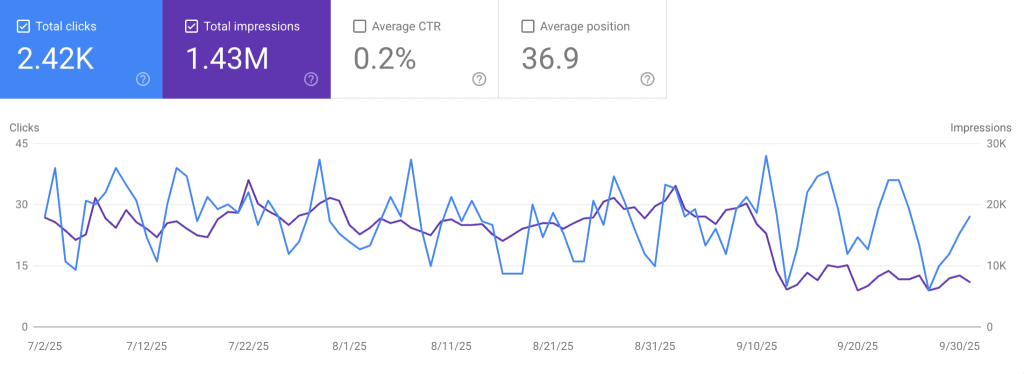
A Shopify agency that focuses on helping eCommerce businesses as well as offers micro-SaaS tools for growth, uses the small keyword volume strategy. Despite the lesser volume of content published as compared to their competitors, the company has been able to generate almost 63% of their leads through the hub – organic search being the highest source of traffic.

2. The Brand Strategy Lab
We have been focusing on creating niche and query specific content on The Brand Strategy Lab. Since the rest of the website is pretty lean, the majority of the content resides on their blog, and each piece has been able to generate an average of 5-7 leads from the relevant ICP.


From working with clients, a few consistent patterns emerged. Small keywords tend to bring in highly qualified leads that enter the pipeline ready to evaluate and purchase. Time-to-first-lead is often just a few weeks, making them faster to show impact.
They’re also cost-efficient: producing content around niche terms takes less time and fewer resources, yet the leads convert at a higher rate. In B2B SaaS, this usually means a lower cost per lead than chasing high-volume terms, and when multiple small keywords are clustered together, both traffic and ROI compound over time.
Common Objections, Risks, And How to Mitigate Them
Small search volume keywords can raise doubts, but here’s how most of them can be addressed strategically:
Cumulative impact beats low traffic
Individual small keywords may bring minimal traffic, but aggregating multiple low-volume keywords can generate a significant cumulative effect. For example, clustering 10-15 related niche queries can deliver steady, qualified traffic that rivals a single high-volume term, making the effort worthwhile.
Discover hidden demand
A low absolute number doesn’t always indicate a lack of interest. Using tools, trend data, and keyword variants can reveal hidden demand. For instance, a niche query like “SaaS subscription analytics for SMBs” might have low current volume but show consistent growth in search trends, signaling an emerging opportunity.
Prevent content decay
Small-volume content can lose impact if not maintained. Keep pages updated, refreshed with new examples, and optimized for evolving keywords to prevent decay. This ensures your small keywords continue to drive long-term value for pipeline and SEO.
Conclusion & Recommendations
Small search volume keywords may not flood your site with traffic, but they can unlock high-intent leads, faster wins, and cost-efficient growth. Once your SaaS has the basics covered, weaving them in alongside broader terms helps capture qualified leads your competitors miss, turning overlooked searches into a real pipeline.
Start small, experiment, and scale what works. Here’s how to approach it:
- Map intent-driven keywords – Identify low-volume terms tied to ICP pain points, use cases, or buying triggers.
- Test focused content formats – Create deep how-to guides, competitor comparisons, and niche problem-solving content.
- Measure performance – Track early traction, conversion quality, and time-to-first-lead.
- Scale in clusters – Build content hubs by grouping multiple small keywords to strengthen topical authority and amplify ROI.
Ready to see how small keywords can deliver big results for your SaaS?