The way B2B SaaS companies approach content marketing is changing, and strategies that once delivered consistent results now feel outdated. New channels continue to emerge, algorithms keep evolving, and audiences are becoming more discerning, expecting genuine value rather than surface-level messaging.
In this piece, we’ll discuss the key content marketing trends defining B2B SaaS in 2026 and how they’re reshaping the way brands connect with their buyers.
TL;DR: B2B SaaS Content in 2026
B2B SaaS content strategies are shifting rapidly. Search behavior, AI adoption, and buyer expectations are reshaping how brands create and distribute content. Here’s what to focus on in 2026:
- Win in AI Search by structuring content as clear, authoritative answers that surface in overviews.
- Build Trust at the Core through verified assets, authentic expert voices, and founder-led thought leadership.
- Leverage High-Impact Channels by combining LinkedIn, email, and blogs to capture, nurture, and compound reach.
- Prioritize Intent over Volume with focused SEO and video-led storytelling to engage decision-makers.
- Invest in Communities & First-Party Data to maintain visibility and control in a privacy-first world.
Early movers will own 2026.
Content Marketing Trends for B2B SaaS We’re Backing in 2026
These are the shifts we believe will shape how B2B SaaS brands create and distribute content in 2026:
1. Search Is Turning Into Answers
Google’s search experience is evolving fast. With AI-generated overviews and summaries appearing directly on results pages, users are often getting what they need without clicking through.

In fact, around 60% of Google searches end without a click, which means your content needs to earn its spot inside those AI answers, not just the traditional search listings. For B2B SaaS companies, this shift changes how you need to structure your content.
Your pages should look and read like the “best possible answer,” that is, clear, direct, and easy to skim. Use descriptive headings, FAQs, plain-language explanations, and annotated screenshots to give users (and Google) exactly what they need in one place.
2. Decide How You Want AI to Use Your Content
AI models are increasingly trained on public web content, and companies are starting to take a stance, either blocking bots to protect their assets or licensing access on their terms. For B2B SaaS brands, this isn’t just a legal or technical question; it’s a strategic one.
If you publish high-value assets like benchmark reports or original research, decide whether you want AI tools to freely summarize that content or keep it gated so users must visit your site to get the whole picture.
For example, if you share SaaS churn benchmarks, you could allow AI to surface topline numbers for visibility but restrict deeper insights behind a signup or paywall.
3. Prove Your Content Is Real
With AI-generated reports, fake screenshots, and fabricated stats flooding the web, trust is becoming a real differentiator. B2B buyers are cautious, and they want to know that what they’re reading actually comes from you.
More SaaS companies are starting to add digital credentials or verification stamps to their assets, proof that the content is original and verifiable. For example, you could embed a content credential in your annual security report PDF so buyers can see exactly when it was created, by whom, and that it hasn’t been tampered with.
This small step builds credibility, protects your work, and signals to both humans and AI that your content is authentic.
4. Thought Leadership Gets Sharper
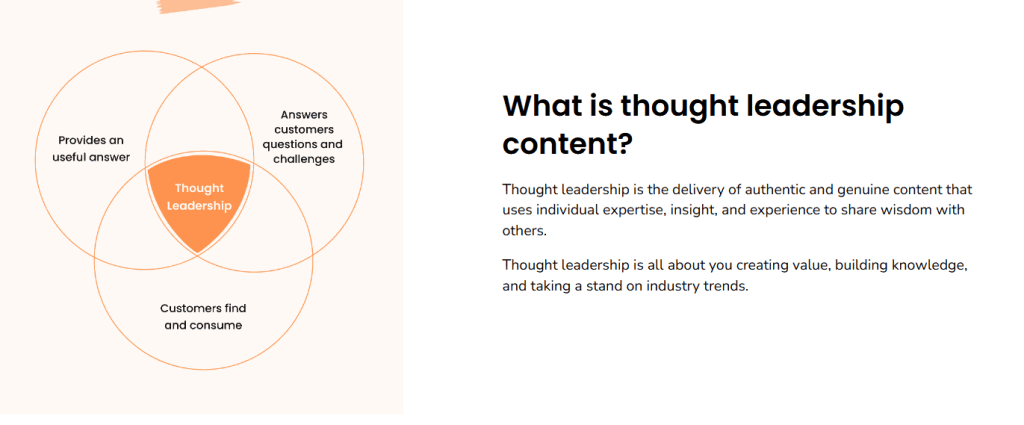
B2B buyers are paying closer attention to who is speaking, not just what is being said. In complex SaaS deals, hidden decision-makers like compliance managers, security leads, and operations heads rarely talk to sales, but they closely follow content that shapes internal buying conversations.
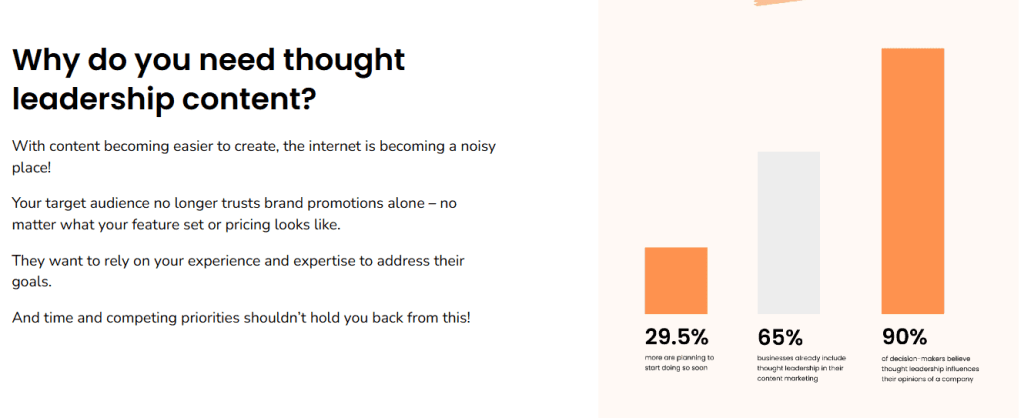
This is why founder and CXO-led content is becoming a key content marketing trend. Buyers want real perspectives from the people behind the product. Personal insights and strong points of view build more trust than polished brand blogs or generic checklists.
5. LinkedIn + Email = Your Growth Engine
LinkedIn gives you reach and built-in discovery, email gives you direct access and measurable engagement, and the blog turns each piece into a lasting asset that compounds over time.
Use a mix of all three to:
- Capture new attention on LinkedIn, then convert it via email.
- Nurture prospects with consistent, owned distribution.
- Build an evergreen library on your blog for search and sales enablement.
- Reduce content waste by repurposing one story across channels.
For example, you could share a LinkedIn newsletter titled “How ACME Cut Onboarding Time by 40%,” send the same story to your email list with a short intro and a single CTA, and finally publish a detailed version on your blog with screenshots and extra context.
6. Events Become Content Factories
Instead of pouring resources into large expos, more SaaS companies are shifting toward smaller, focused roundtables and workshops and using them as content engines.
While event highlights, summaries, and recaps can be turned into strong content, the real value lies in bringing your ICPs into the room. Live conversations reveal pain points, priorities, and the exact language your audience uses, insights no keyword tool can match.

Listening closely gives marketing teams authentic user-intent signals that can be turned into targeted blogs, social posts, and sales assets.
7. Content Moves Inside the Sales Process
Content is no longer just a top-of-funnel tool. Buyers use it actively during the deal to evaluate, align internally, and make decisions. Digital Sales Rooms (DSRs) have become a key way to enable this, acting as shared spaces where all members of a buying group can access relevant assets in one place.
Example: Create a one-pager on your API uptime or a clear onboarding plan and upload it to the DSR for the buyer’s IT team. This keeps everyone aligned, shortens back-and-forth, and positions your content as part of the decision-making process.
8. Video-First, Text-Supported
SaaS buyers increasingly prefer quick, clear videos, like short explainers, product walkthroughs, or expert clips that show rather than tell. But they still want searchable, skimmable text to go with it. Pairing the two gives you both engagement and discoverability.
Example: Publish a 2-minute video on “How Our AI Scoring Works” and include a clean transcript, key takeaways, and a short FAQ section right below. The video draws people in, while the text makes it easy to revisit, share, or find through search.
9. SEO: Intent Beats Volume
Search volume matters less than buyer intent. A low-volume keyword with clear purchase intent can outperform a broad, high-volume term when it comes to conversions.
Instead of filling your calendar with generic blog posts aimed at 10K-volume keywords, focus on creating deep, specific content for niche and meaningful queries. These pages won’t bring massive traffic, but they’ll attract the right buyers and convert better.
For example, a keyword like “SOC 2 compliant CRM for healthcare” may only get 40 searches a month, but those searches come from teams actively evaluating solutions. Creating a focused landing page like “HIPAA + SOC 2 CRM: What Compliance Teams Need to Know” helps you capture qualified traffic that’s ready to act, not just browse.
10. Community Content Drives Trust
Search behavior is shifting toward platforms like Reddit and Quora, where buyers trust real conversations more than polished marketing.
Before choosing a tool, ICP’s look for insights from actual users who’ve tested products, faced challenges, and shared honest opinions. These discussions now influence buying decisions more than blogs, ads, or paid reviews.
Community threads are increasingly appearing in search results and AI Overviews, shaping decisions at every stage of the funnel.
For example, searching “best AI website builder” on Google, AI Overviews, or ChatGPT often surfaces real user threads from Reddit or Quora, as these platforms are where authentic insights live.

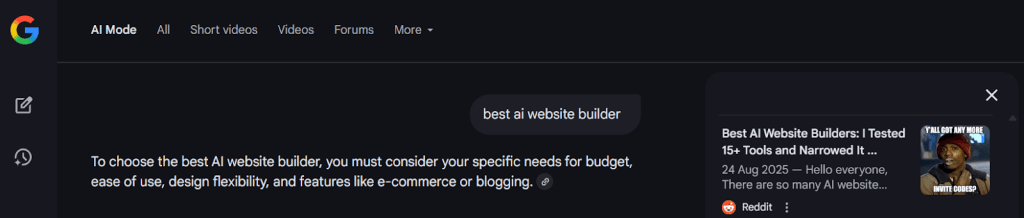
To leverage this, involve your product managers and customer success teams in these discussions to share credible, helpful input while navigating platform norms, or partner with an experienced agency that can engage authentically and help you rank in Google AI Overviews and LLM results, something we’ve consistently achieved for clients within months.
Want to rank on LLMs, let’s talk!
11. Privacy + First-Party Data
Third-party cookies are fading fast, making first-party data essential for B2B SaaS marketing. Instead of relying on external trackers, collect data directly by offering genuinely useful tools and resources that your audience wants to engage with.
Example: Build an ROI calculator for SaaS integrations or a churn-rate benchmark quiz, and gate it with an email sign-up. This way, you’re not just capturing leads but you’re also gathering accurate, permission-based data that strengthens your marketing over time.
12. Human Experts > AI Influencers
Buyers can spot generic AI-generated content instantly, and they’re losing patience with it. What stands out now is content led by real operators with firsthand experience. Their perspectives carry more weight because they’ve actually solved the problems your audience is facing.
Instead of faceless blog posts, bring your internal experts to the front. Showcase their thinking, methods, and lessons in formats that feel direct and unscripted.
90-Day “Get Ready” Checklist
Here’s a simple, practical plan to put these trends into action over the next three months:
- Audit your top 50 blog posts → make them “answer-ready” with clear summaries, visuals, and FAQs.
- Launch a weekly LinkedIn newsletter and pair it with a 60-second video recap for added reach.
- Pick 2–3 low-volume, high-intent topics and publish deep, helpful guides that speak directly to buyer needs.
- Join relevant conversations on Reddit and Quora once a week to build trust and visibility where real research happens.
- Package three core sales enablement assets for your Digital Sales Room: a security one-pager, ROI model, and onboarding plan.
This foundation sets you up to adapt fast, show up where buyers are, and create content that actually drives the pipeline.
Conclusion
The smartest SaaS teams aren’t waiting for 2026 to arrive; they’re laying the groundwork now. Content strategies are shifting fast, and those who adapt early will own the advantage when these trends hit full speed.
We’re taking on a limited number of projects for 2026, so if you’re serious about building a sharper, future-ready content engine, partner with Contensify now.