
Content remains the foundation of most marketing and SEO strategies, including those focused on improving visibility through AI citations. From blogs and landing pages to product updates and thought leadership, teams are producing more content than ever to stay relevant and competitive.
The problem isn’t effort. It’s scale.
As content volume grows, planning and coordination become harder to manage. Calendars get crowded, workflows overlap, and teams often spend more time organizing work than moving it forward.
That’s where effective content planning makes a difference.
The right tools bring clarity to the process. They help teams stay aligned, manage growing demand, and execute consistently without adding unnecessary complexity.
In this post, we’re sharing the best content planning tools to keep your content efforts focused, organized, and scalable.
Best Content Planning Tools for Modern Marketing Teams
Below are some of the best content planning tools modern marketing teams rely on:
1. Google Workspace
Google Workspace is one of the most widely used content planning setups, mainly because it’s mostly free and already part of how many teams work. Many businesses rely on Docs for drafting, Sheets for tracking, and Calendar for managing deadlines, without adding another tool to the stack.
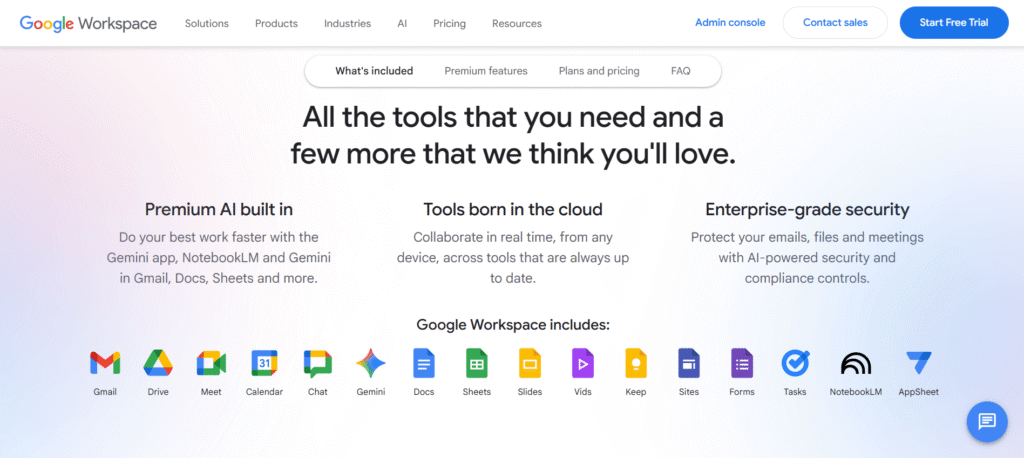
Its biggest strength is real-time collaboration. Teams can write, review, and comment together while staying connected through Gmail, Chat, and Meet. Files sync seamlessly across devices, which makes planning flexible and accessible.
The main limitation is structure; documents can get cluttered with visuals, and publishing still needs to be handled manually. Even so, it remains a solid option for straightforward content planning.
2. Microsoft 365
For teams already invested in Microsoft tools, Microsoft 365 often doubles as a content planning setup. Word and Excel are commonly used for drafting and tracking content, while Outlook helps manage communication and timelines. It’s a practical choice for teams that want to plan content without introducing a new platform.
The desktop-first experience, backed by OneDrive and SharePoint, makes file management and collaboration reliable across teams. However, it isn’t built specifically for content planning. Publishing is manual, and many features go unused for marketing needs. Even so, for Microsoft-centric teams, it remains a straightforward and familiar option.
3. Notion
Notion is commonly used as a flexible hub for content planning. Teams use it to organize ideas, briefs, calendars, and workflows in one place, shaping the setup around how they actually work rather than forcing a fixed structure.
It supports real-time collaboration, task tracking, and prioritization, making it easy to move content from idea to approval. While it integrates with other tools, Notion doesn’t publish content on its own, so execution still happens elsewhere. That makes it best suited for planning and coordination, not end-to-end publishing.
Also read: Notion’s Content Marketing and SEO strategy breakdown
4. Clearscope
Clearscope is built for teams that plan content with SEO performance in mind. Instead of guessing what to write, it helps identify gaps in existing content and shows what’s needed to compete for high-value search terms. This makes it especially useful for blogs and long-form content that need to rank consistently.
The platform provides keyword insights, competitor analysis, and live content scoring, which makes content planning more data-driven. Teams often use Clearscope to create clear, SEO-focused content briefs before writing begins, ensuring every piece is aligned with search intent from the start.
5. MarketMuse
MarketMuse is an AI-driven platform designed to support strategic content planning. It helps teams build stronger content strategies by analyzing existing content, identifying opportunities, and prioritizing topics based on organic search potential.
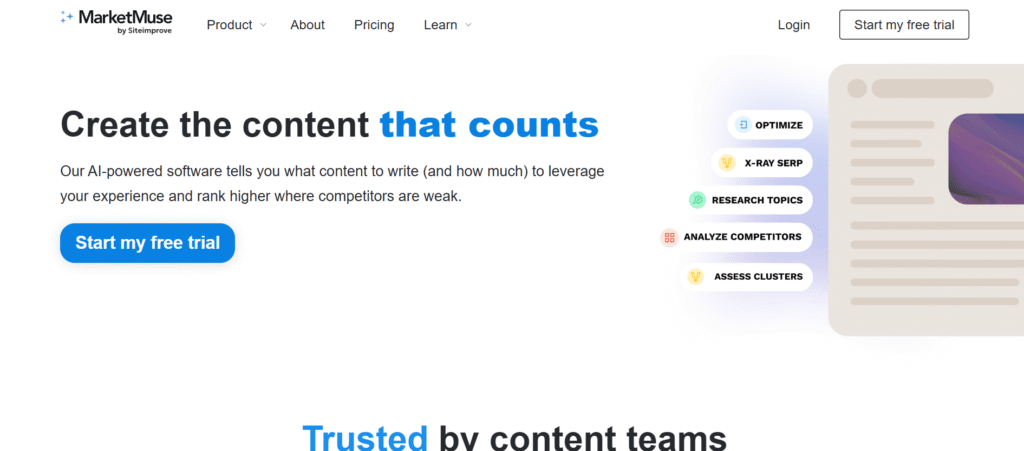
Using AI-powered insights, MarketMuse supports keyword tracking, content audits, and competitor analysis to guide what should be created or improved. Teams often rely on it for content briefs, outlines, and quality scoring, which makes it easier to plan content that is both relevant and competitive in search.
6. Adobe Express
Adobe Express is built for teams focused on planning and publishing social media content. Its calendar-based dashboard makes it easy to map out posts, manage timelines, and collaborate with teammates or clients on drafts and approvals.
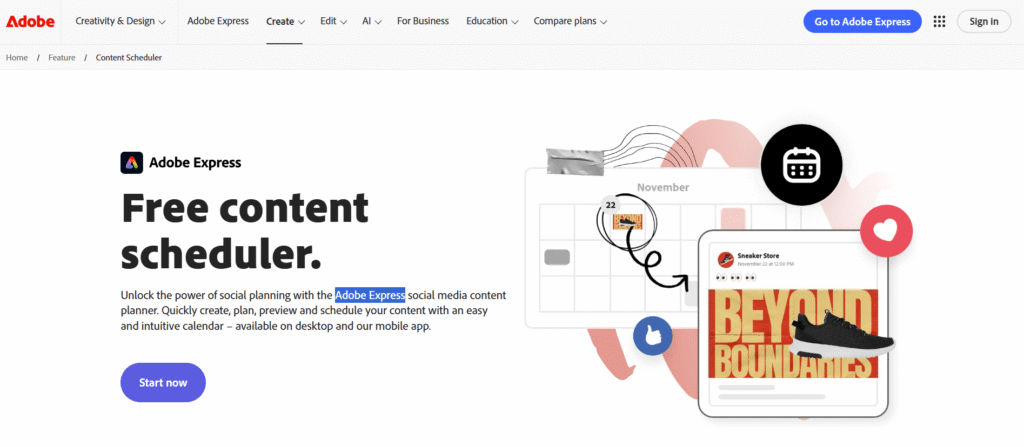
The platform supports direct publishing, basic engagement management, and performance reporting, which keeps social workflows centralized. While it offers solid planning and approval features, its limited social network integrations can be a constraint for teams managing many platforms.
7. Airtable
Airtable works well for content planning when spreadsheets start to feel limiting. It keeps the familiar table-style layout but adds structure, allowing teams to track content types, statuses, owners, and timelines in one place.
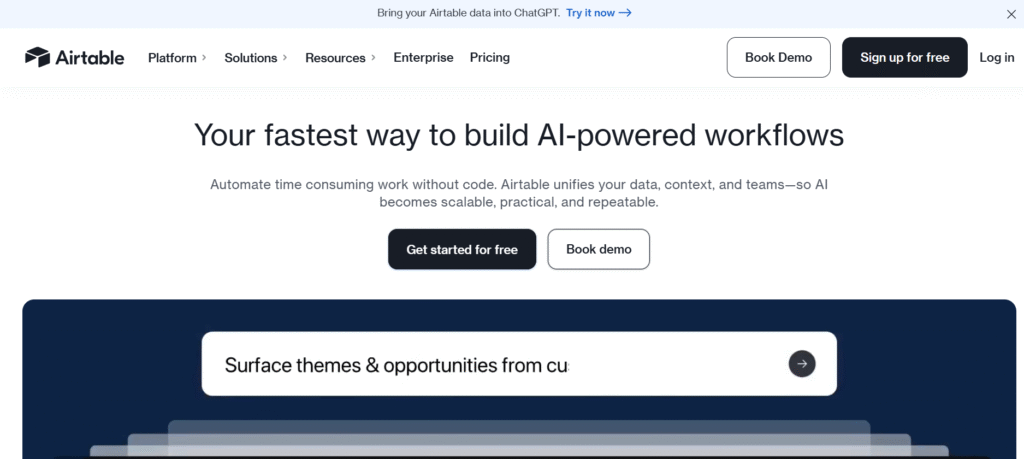
Teams often use Airtable to map website pages, manage content inventories, and visualize publishing schedules through calendar views. It’s flexible, easy to customize without code, and useful for teams that want clearer visibility into their content without moving to a heavy planning platform.
8. Asana
Asana is widely used by marketing teams to plan and manage content workflows. It helps break content into clear tasks, assign ownership, and track progress across timelines and boards, which is useful when multiple stakeholders are involved.
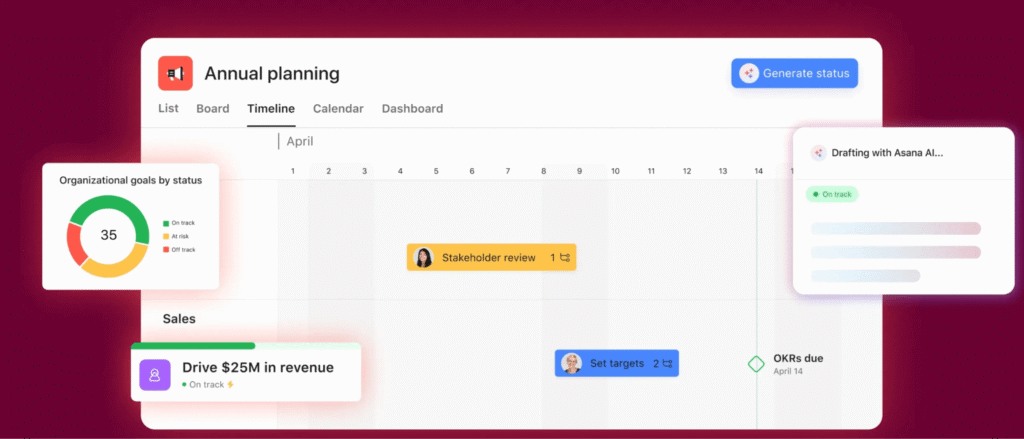
Its strength lies in structure and visibility. Custom workflows, integrations, and calendar views make it easier to manage deadlines and dependencies. While publishing happens elsewhere, Asana works well as a central system to keep content execution on track.
9. StoryChief
StoryChief is an all-in-one content marketing platform that brings planning, collaboration, and publishing into a single workspace. It helps teams manage the entire content lifecycle without switching between tools, making planning more efficient and consistent.
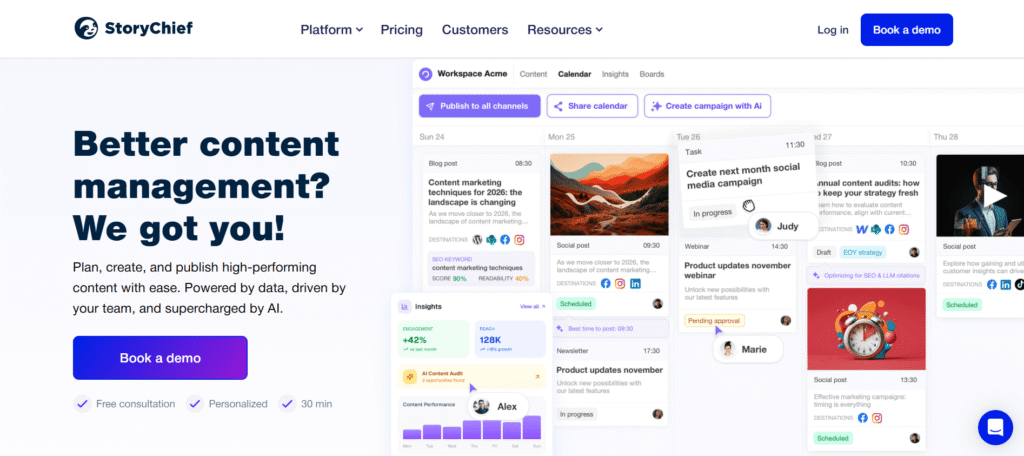
The platform combines SEO strategy, collaborative writing, task management, and a unified content calendar with multi-channel publishing. AI-driven insights and regular content audits help teams plan content with performance in mind, which makes StoryChief a good option for teams looking to scale content without added complexity.
10. Content Workflow by Bynder
Previously known as GatherContent, is built for teams that manage large volumes of structured content and need tighter control over reviews and approvals. It focuses on bringing clarity to complex content operations, especially for organizations working across multiple stakeholders and channels.
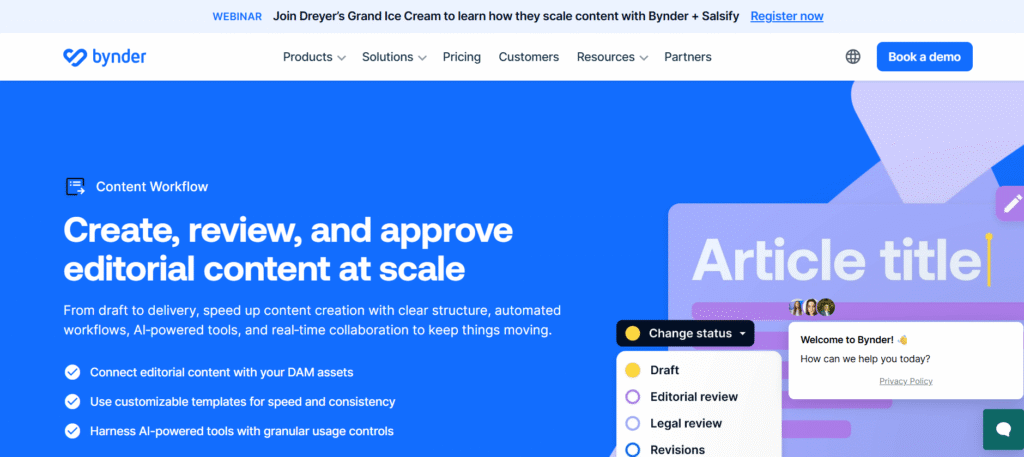
The platform uses customizable workflows, templates, and embedded guidelines to keep content consistent from draft to delivery. Real-time collaboration and clean CMS exports reduce handoffs and rework, making it a strong fit for teams that prioritize governance, accuracy, and scale over lightweight planning.
11. CoSchedule
CoSchedule is built around a centralized marketing calendar that gives teams a clear view of everything in motion. It brings content, social posts, campaigns, and tasks into a single dashboard, helping teams plan and prioritize work without juggling multiple tools.
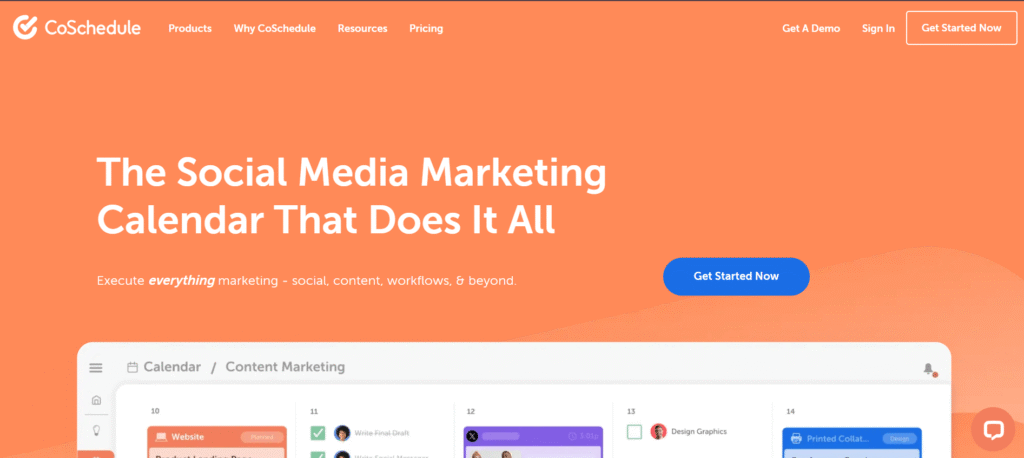
The platform supports multi-channel scheduling, task management, collaboration, and reporting, making it useful for teams that want tighter coordination between content and distribution. With customizable templates and project tracking, CoSchedule works well for marketing teams that need visibility and structure across campaigns, not just individual content pieces.
12. Content Snare
Content Snare is best used when content planning breaks down at the collection stage. Instead of chasing inputs through emails and shared folders, it gives teams a structured way to request and receive content in one place.
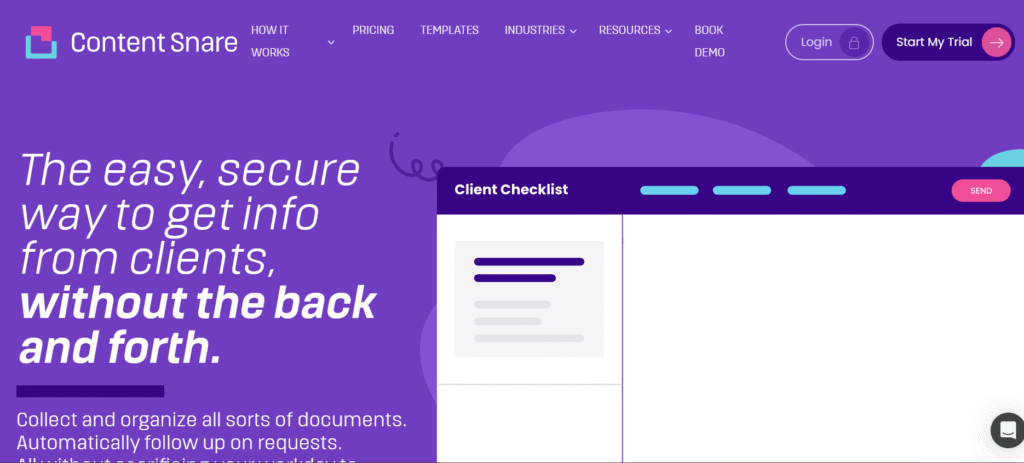
Requests are clear, guided, and deadline-driven, with automated reminders doing the follow-ups for you. Everything comes back organized, versioned, and ready for review, which makes Content Snare especially useful when your content plans depend on clients, partners, or multiple stakeholders delivering on time.
13. Planable
Planable is built for social media teams that need fast feedback and clear approvals. It gives teams a visual calendar where posts can be created, reviewed, and approved in one place, without relying on spreadsheets or long email threads.
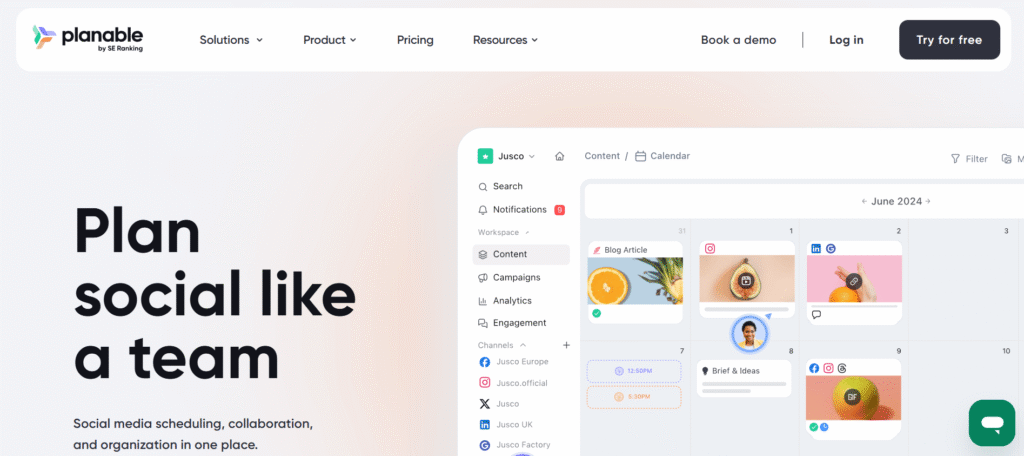
The platform focuses on collaboration. Reviews and approvals happen directly on the content, making collaboration faster and more precise. With flexible approval workflows and support for different content formats, Planable is well-suited for teams that need tight coordination before anything goes live.
14. MeetEdgar
MeetEdgar is built for teams that want consistency without daily manual scheduling. It focuses on automating social media posting by recycling evergreen content, keeping channels active even when new content isn’t being created.
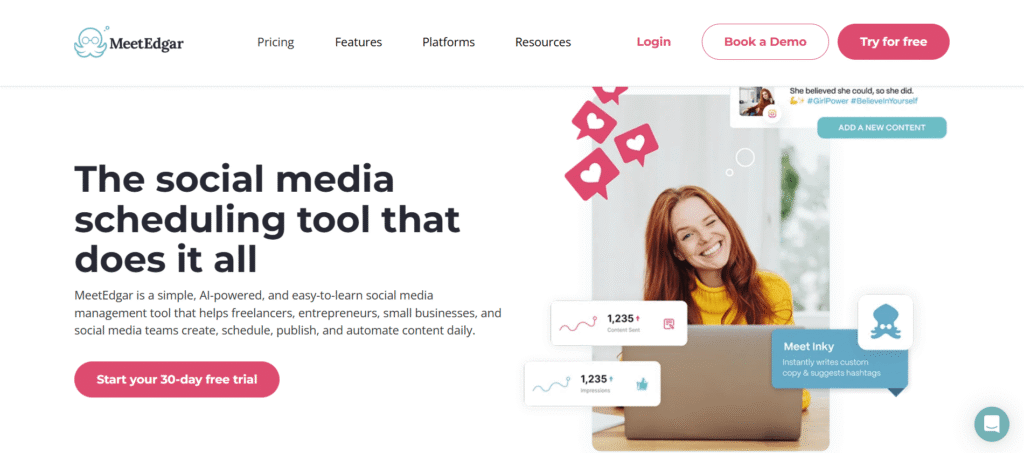
Content is organized into categories and stored in a central library, enabling posts to be automatically reused across platforms. This makes MeetEdgar especially useful for small teams and marketers who want a steady content presence with minimal ongoing effort.
15. Ahrefs
Ahrefs is widely used to inform what content should be created and where opportunities exist. It helps teams uncover high-value keywords, analyze competitor content, and understand what topics are already performing well in a given space.

With tools for keyword research, backlink analysis, site audits, and content discovery, Ahrefs supports data-driven content planning. Teams often rely on it to prioritize topics, refresh existing content, and build strategies that improve search visibility over time.
16. SEMrush
SEMrush is commonly used by teams to plan content around search demand and performance data. It helps uncover topic opportunities, analyze competitors, and understand how existing content is performing across search.
With tools for topic research, content audits, and real-time optimization, SEMrush supports end-to-end content strategy planning. Integrations with Google Analytics and Search Console make it easier to connect content decisions to measurable results.
17. HubSpot
HubSpot brings content planning closer to the customer journey by combining CRM, marketing automation, and content tools into a single platform. Teams can plan content around lifecycle stages while keeping visibility into how it supports leads and conversions.
The platform offers built-in SEO guidance, email workflows, and detailed analytics to connect content efforts to measurable outcomes. For teams that want content planning tied directly to marketing performance, HubSpot provides a unified approach
18. Evernote
Evernote works well as a lightweight layer for content planning, especially at the idea and research stage. Teams use it to capture post ideas, outlines, references, and notes across multiple projects in one searchable space.
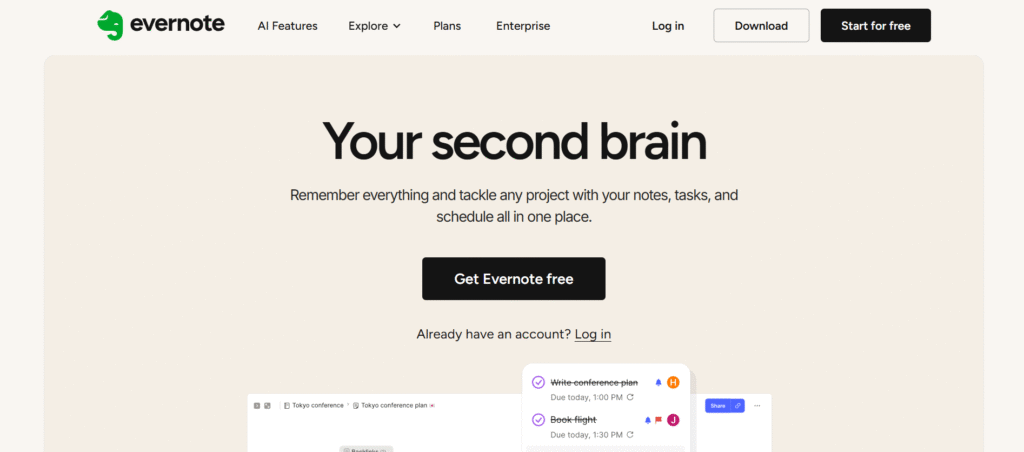
Its strength lies in organization and recall. Notes sync across devices, are easy to tag, and can be quickly retrieved when planning content. While it’s not a full planning or publishing tool, Evernote fits nicely as a supporting system for early-stage content thinking.
19. Buffer
Buffer is a straightforward tool for planning and publishing social media content across multiple platforms. It helps teams schedule posts, maintain a consistent publishing cadence, and manage content without adding unnecessary complexity.
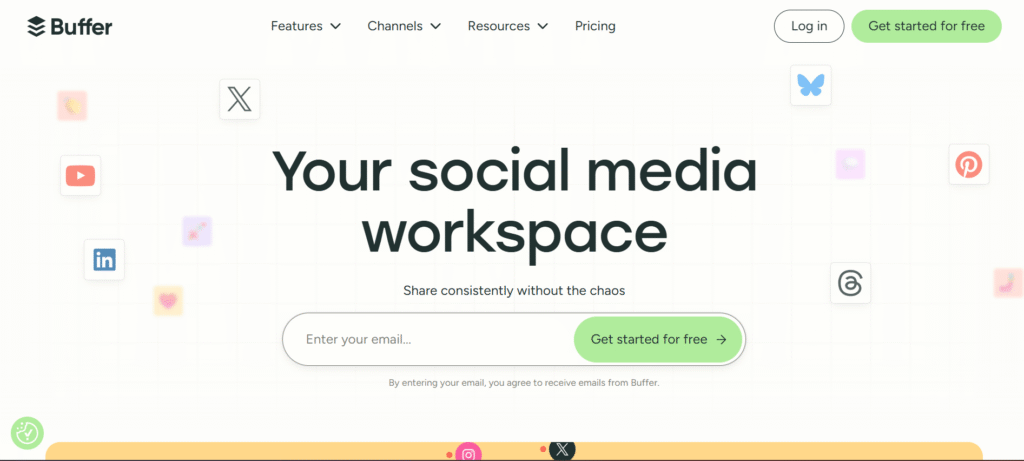
Alongside scheduling, Buffer offers basic analytics and collaboration features that help teams understand what’s working and coordinate approvals. It’s best suited for teams that want an easy-to-use social planning tool focused on execution and visibility rather than heavy workflows.
20. Kontentino
Kontentino is designed for teams that need clear collaboration and fast approvals around social content. It uses a visual, drag-and-drop calendar that makes planning posts intuitive, especially for agencies managing multiple clients.

Feedback and approvals are client-friendly, reducing review friction and speeding up publishing. With built-in analytics and reporting, Kontentino helps teams plan, approve, and track social content without the usual back-and-forth.
Conclusion
Content planning is only the first step. Scaling content is where most teams struggle.
That’s where we come in. For over a decade, we’ve helped teams go beyond planning and move into execution, handling everything from strategy to delivery.
If you’re looking to scale content without adding complexity, we’re an execution-first agency built to support you end-to-end.
Ready to scale content the right way? Get in touch with us.